Setting up an air purifier sounds simple enough, but proper installation makes the difference between a device that just runs and one that actually cleans your air effectively. Many people plug in their new air purifier and hope for the best, only to wonder why their allergies haven’t improved or why the unit seems loud and inefficient. The truth is that placement, setup, and integration with your home’s air flow all play major roles in how well your purifier performs.
You might be wondering whether you should handle the setup yourself or call in a professional. The answer depends on what type of air purifier you have and where you plan to use it. Portable units are usually straightforward, but whole-home systems that connect to your HVAC require expertise to install correctly.
This guide walks you through everything you need to know about air purifier setup services. You’ll learn when professional installation is worth it, what to expect during the process, and how expert setup can help you breathe cleaner air faster.
Here’s what you need to know:
- Air purifier setup service: Breathe cleaner air with professional installation
- Difference between DIY and professional installation
- Residential vs commercial air purifier setups
- Integration with existing HVAC systems
- Benefits of expert setup for optimal performance
- Why professional air purifier installation matters
- Signs you need an air purifier setup service
- Steps included in professional air purifier setup
- Benefits of a professional air purifier setup service
- Maintenance and follow-up for air purifiers
- Air purifier setup for businesses and commercial spaces
Keep reading to find out how an air purifier setup service improves filtration performance through correct placement, configuration, and HVAC integration.
Air purifier setup service: Breathe cleaner air with professional installation
Professional installation ensures your air purifier works at peak performance from day one. Certified technicians handle placement, power connections, and system integration to maximize air quality improvements in your home.
What is an air purifier setup service
An air purifier setup service brings trained technicians to your home to install and configure your air cleaning system. These professionals handle everything from unboxing your unit to connecting it with your existing HVAC system if needed.
The service includes proper placement in your home based on room size and airflow patterns. Technicians secure the unit, complete all electrical wiring, and test the system to confirm it operates correctly. They also show you how to use controls and change filters.
Professional setup offers several key benefits:
- Correct sizing and placement for your specific space
- Safe electrical connections that meet building codes
- Integration with existing HVAC systems when applicable
- Immediate performance verification
Portable air purifiers typically require basic setup you can do yourself. Whole-house systems need professional installation because they connect directly to your ductwork and electrical system. The installer provides a written quote that lists all costs before starting work.
Difference between DIY and professional installation
Installing an air purifier yourself works well for portable units and simple setups. You can place a portable air purifier in any room without special tools or technical knowledge. Most portable models just need to be plugged in and turned on.
DIY installation saves money on labor costs. You also have full control over when and where you set up the device. Basic filter replacements and maintenance tasks are manageable if you have some technical skills.
Professional installation becomes necessary for whole-house air purifier systems. These units connect directly to your HVAC system and require expertise in ductwork and electrical wiring. Mistakes during installation can damage your heating and cooling system or create safety hazards.
Key differences include:
- Cost: DIY is cheaper upfront but professionals prevent costly mistakes
- Complexity: Portable units are simple while whole-house systems need technical knowledge
- Time: You control timing with DIY but professionals work faster
- Quality: Professional installation guarantees proper setup and system integration
- Safety: Licensed technicians follow building codes and safety standards
Professional installers also assess your home to recommend the right system size. They handle all electrical connections and ductwork modifications correctly. You get warranties on both the equipment and installation work.
Your choice depends on the air purifier type and your technical abilities. Portable units suit DIY installation while whole-house systems require professional service. Consider your budget, the system complexity, and your comfort level with technical tasks.
Residential vs commercial air purifier setups
Home air purifiers are designed for smaller spaces and personal use. They typically cover one or two rooms and focus on common household pollutants like dust, pet dander, and pollen.
Commercial systems handle much larger areas and higher pollutant loads. These units are built to run continuously in office buildings, medical facilities, and industrial spaces where air quality standards matter.
Key differences include:
- Size and capacity: Commercial units process significantly more air per hour than residential models
- Installation requirements: Home systems often plug into standard outlets, while commercial setups may need dedicated electrical work and ductwork integration
- Maintenance schedules: Commercial systems require more frequent filter changes and professional servicing
- Cost: Commercial installations cost more upfront and have higher ongoing maintenance expenses
Your home air purifier service needs differ from commercial requirements. Residential setups focus on comfort and allergen reduction. Commercial installations must meet regulatory standards and protect larger groups of people.
Portable home units can be installed quickly without professional help. Whole-house systems connect to your HVAC and need professional installation to ensure proper duct connections and power supply.
Commercial setups always require professional installation and configuration. These systems integrate with building management systems and need precise placement to meet air exchange requirements.
The right setup for your space depends on square footage, occupancy levels, and specific air quality goals. Residential options work well for typical homes, while commercial systems are necessary for business environments with higher demands.
Integration with existing HVAC systems
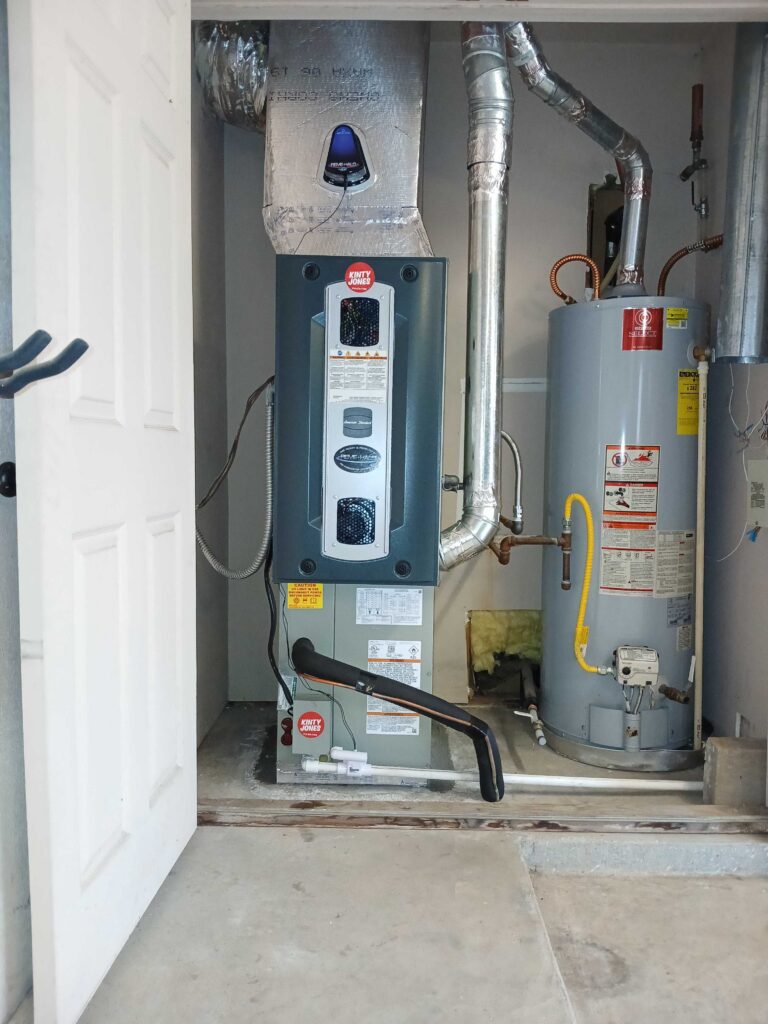
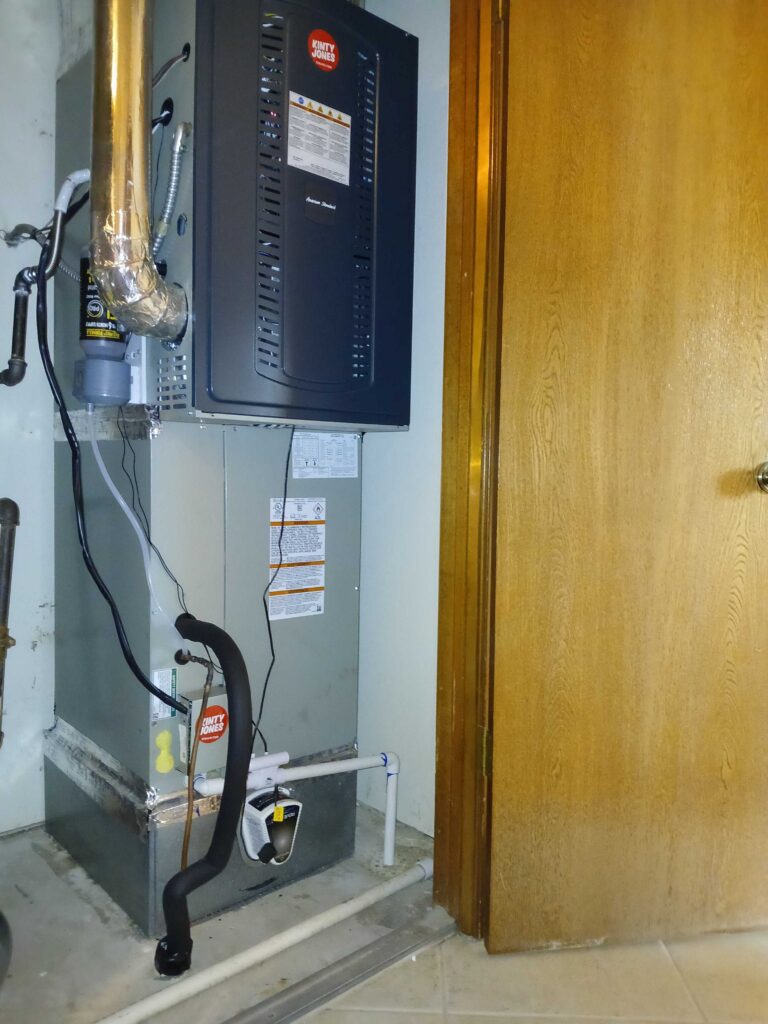
You can add an air purifier directly to your existing HVAC system without major changes to your setup. This approach creates a whole-house solution that treats air as it circulates through every room in your home.
Two main integration options exist:
- In-duct air purifiers install directly into your ductwork and filter air continuously as your HVAC system runs
- Bypass systems work independently but connect to your existing ducts to provide additional purification
Your HVAC air purifier integration depends on compatibility between your current system and the purification technology you choose. Professional installers check your ductwork size, airflow capacity, and electrical connections before installation.
The process typically involves mounting the purifier unit near your furnace or air handler. Technicians cut access points into your ducts and secure the unit properly. They also connect power sources and integrate controls with your existing thermostat when possible.
Indoor air quality installation requires proper sizing for your home. A system that’s too small won’t clean effectively. One that’s too large may reduce airflow and strain your HVAC system.
Key factors professionals assess during installation:
- Available space near your HVAC equipment
- Existing ductwork configuration
- Power requirements and electrical access
- Compatibility with your current system’s airflow
- Proper placement for maximum efficiency
Most modern HVAC systems accept air purifier additions easily. Older systems may need minor modifications to ensure proper function. Your installer will identify any needed adjustments during the initial assessment.
Benefits of expert setup for optimal performance
Professional installation ensures your air purifier works at its highest capacity from day one. Experts understand how to position the unit for maximum air circulation and coverage. They know which settings to adjust based on your specific room size and air quality needs.
Key advantages of professional setup:
- Proper placement in the room for best airflow
- Correct filter installation and calibration
- Integration with existing HVAC systems when needed
- Custom settings based on your space and concerns
Your air purifier will capture more pollutants when installed correctly. Professionals test the unit after setup to verify it’s running efficiently. This testing catches any issues before they affect your air quality.
Expert installers also help you avoid common mistakes. Placing a purifier too close to walls or furniture reduces its effectiveness. Setting the wrong fan speed for your room size wastes energy and decreases performance.
Professional setup protects your investment. Incorrect installation can damage the unit or void your warranty. Technicians ensure all components work together properly and safely.
You’ll get better air quality results faster with expert installation. The service includes checking that seals are tight and filters are secure. Your system will run more quietly and use less energy when set up right.
Professionals can spot potential problems with your indoor air that you might miss. They provide guidance on maintenance schedules and filter replacement timing based on your specific usage patterns.
Why professional air purifier installation matters
Professional installation ensures your air purifier works at full capacity and delivers the clean air you expect. Expert setup prevents common mistakes that reduce performance and helps your system last longer.
Ensures proper airflow and coverage
A professional installer knows how to position your air purifier where it will work best. They evaluate your room size, ceiling height, and layout to find the optimal location. This matters because air purifiers need clear space around them to pull in contaminated air and push out clean air.
Poor placement blocks airflow and creates dead zones where pollutants gather. Professionals keep units away from walls, curtains, and furniture that restrict air movement. They also consider your home’s natural air circulation patterns and HVAC system placement.
For whole-house systems, installers connect the unit to your existing ductwork at strategic points. They calculate the cubic feet per minute your system needs to treat and match it to your home’s square footage. This ensures every room gets filtered air, not just the areas closest to the unit.
Maximizes filtration efficiency
Professional installers set up your air purifier to capture the most particles possible. They verify that all filters are properly sealed and seated in their housings. Even small gaps let unfiltered air bypass the system, which defeats the purpose of having an air purifier.
Technicians also configure settings based on your specific air quality needs. They adjust fan speeds and filtration modes to balance cleaning power with noise levels and energy use. Many modern units have sensors and smart features that require proper calibration during setup.
The EPA has found indoor air can contain 2 to 5 times more pollutants than outdoor air. Professional installation helps your purifier address this problem effectively by ensuring it processes air at the correct rate for your space.
Avoids placement and operational errors
DIY installation often leads to mistakes that hurt performance. Common errors include placing units in corners where air circulation is weak or near windows where they compete with outdoor air. Some people also forget to remove plastic wrapping from new filters, which completely blocks filtration.
Professionals prevent electrical issues too. They ensure your unit has adequate power without overloading circuits. For hardwired systems, they make proper connections that meet electrical codes and prevent fire hazards.
Wrong settings are another frequent problem. Many units have multiple modes for different situations, and choosing the wrong one wastes energy or provides insufficient cleaning. Installers program your system correctly from day one.
Extends system lifespan
Proper installation from the start protects your investment. When an air purifier runs in the wrong location or with incorrect settings, its motor and fan work harder than necessary. This extra strain causes premature wear and earlier component failure.
Professional installers also set up maintenance schedules and show you how to care for your unit. They explain when to change filters and clean pre-filters. Regular maintenance keeps efficiency high and prevents problems that shorten equipment life.
Whole-house systems especially benefit from expert installation. These units integrate with your HVAC system, and poor connections can damage both the purifier and your heating and cooling equipment. Proper ductwork modifications and secure mounting prevent vibration damage and air leaks.
Compliance with manufacturer guidelines
Most air purifier warranties require professional installation to remain valid. Manufacturers specify exact installation procedures in their documentation. If you skip professional setup and something breaks, you might pay for repairs that would have been covered.
Professional installers follow these guidelines precisely. They use the correct mounting hardware, maintain required clearances, and complete all startup procedures. Many also register your warranty and document the installation for your records.
Some regions have building codes that affect air purifier installation, especially for whole-house systems. Licensed technicians know these requirements and ensure your installation passes inspection. This protects you from code violations and potential insurance issues.
Signs you need an air purifier setup service
Your indoor air quality affects your health and comfort every day. Knowing when to bring in professionals for air purifier setup can help you breathe easier and protect your investment in clean air technology.
According to the U.S. EPA, Americans spend about 90% of their time indoors, and concentrations of some indoor pollutants are often 2–5 times higher than typical outdoor levels—so correct purifier placement and settings matter for real-world results.
Persistent allergies or respiratory issues
If you or your family members experience constant sneezing, coughing, or difficulty breathing at home, poor air quality might be the cause. Indoor air can contain 2 to 5 times more pollutants than outdoor air. These pollutants include dust mites, pet dander, pollen, and mold spores.
You might notice symptoms getting worse when you spend time indoors. Your eyes might water frequently or you could develop a scratchy throat that won’t go away. Children and elderly family members often show symptoms first because their respiratory systems are more sensitive.
A professional air purifier setup service ensures your system targets the specific allergens affecting your household. Technicians can assess your space and recommend the right filtration level for your needs. They’ll position units in areas where allergens concentrate most, giving you better relief than a random placement would provide.
Poor indoor air quality readings
Air quality monitors can reveal hidden problems in your home. High readings for particulate matter, volatile organic compounds, or carbon dioxide indicate you need better air filtration. These numbers don’t lie about what you’re breathing every day.
Professional setup becomes necessary when readings stay elevated despite basic ventilation efforts. Your HVAC system might circulate pollutants instead of removing them if filters are old or clogged. An air purifier installation expert can integrate new equipment with your existing system properly.
They’ll ensure adequate power supply and proper ductwork connections for whole-house systems. Portable units need strategic placement based on air flow patterns in your rooms. Getting this setup right means your purifier can actually improve those air quality numbers you’re monitoring.
Dust accumulation despite cleaning
You wipe down surfaces only to find a fresh layer of dust the next day. This cycle means airborne particles are constantly settling throughout your space. Regular cleaning shouldn’t feel like a losing battle against dust.
Excessive dust often signals that your current ventilation system can’t handle the particle load. Pet hair, outdoor pollutants, and shed skin cells float through your rooms continuously. An air purifier with strong filtration captures these particles before they settle on furniture and floors.
Professional setup ensures your purifier runs efficiently enough to reduce this dust circulation. Technicians position units where air flow patterns carry the most particles. They’ll also check that your purifier’s capacity matches your square footage for adequate coverage.
Recent HVAC upgrades
New heating and cooling systems change how air moves through your building. Your old air purification approach might not work with the updated air flow patterns. HVAC upgrades create an ideal time to add or reconfigure air purifiers.
Modern HVAC systems often have integration points for whole-house air purifiers. Professional installers know how to connect these systems without voiding warranties or creating inefficiencies. They’ll ensure your purifier works with your HVAC rather than against it.
The combined setup promotes better air exchange throughout your space. Fresh, filtered air circulates more effectively when both systems work together. This integration also prevents your purifier from overworking to compensate for HVAC-related air quality issues.
New home or business occupancy
Moving into a new space means dealing with unknown air quality factors. Previous occupants might have had pets, used strong cleaning chemicals, or allowed mold growth. Construction materials in newer buildings release volatile organic compounds for months or years.
You need a professional assessment to understand what pollutants exist in your new environment. Setup services include testing air quality and identifying specific contamination sources. This information guides equipment selection and placement for maximum effectiveness.
Proper installation from the start prevents air quality problems from becoming established patterns. Your new space deserves clean air from day one. Professional setup also ensures you meet any air quality requirements for commercial spaces or rental properties.
Steps included in professional air purifier setup
Professional setup involves evaluating your indoor air quality needs, choosing the right equipment, installing the unit properly, connecting all electrical components, and verifying that the system works as intended.
Initial air quality assessment
A technician begins by testing your indoor air to identify specific pollutants and concerns. This assessment measures particles like dust, pollen, pet dander, smoke, and mold spores. The professional uses specialized equipment to check pollution levels in different rooms.
Per the U.S. EPA, for particle filtration you should choose a portable air cleaner with a Clean Air Delivery Rate (CADR) that’s large enough for the room size—and higher CADR generally means the unit can remove more particles and serve a larger area.
Your home’s size, layout, and ventilation patterns affect air quality. The technician examines areas where air quality problems are most severe. They also ask about health concerns like allergies or asthma that need attention.
This evaluation determines what type of purification system will work best. Some homes need whole-house systems while others benefit from portable units in specific rooms. The assessment creates a baseline to measure improvement after installation.
Selecting the right purifier for your space
The technician recommends equipment based on your assessment results and room dimensions. They calculate the required Clean Air Delivery Rate (CADR) for your square footage. A purifier must match your space size to work effectively.
Filter types vary by pollutant. HEPA filters capture 99.97% of particles 0.3 microns or larger. Activated carbon filters remove odors and gases. UV-C light kills bacteria and viruses.
Common filter options:
- HEPA filters – Remove allergens, dust, and pollen
- Activated carbon – Eliminate smoke, odors, and chemicals
- UV-C light – Kill germs and bacteria
- Pre-filters – Catch large particles first
Your budget, maintenance preferences, and energy costs factor into the selection. The professional provides specifications and explains ongoing filter replacement needs.
According to the U.S. EPA, ozone-generating air cleaners (including some ionizers) can produce ozone—a lung irritant—and under certain conditions may generate levels above those considered harmful, so these products are a poor fit for most indoor air quality goals compared with true mechanical filtration (e.g., HEPA).
Integration with HVAC ductwork or standalone placement
Whole-house units install directly into your HVAC system’s return air duct. This placement allows the purifier to clean air throughout your entire home as it circulates. The technician cuts into the ductwork and mounts the unit securely with proper sealing.
Portable units require strategic room placement away from walls and furniture. The technician positions the purifier where air can flow freely around all sides. They keep it at least 6-12 inches from walls and obstacles.
You need placement near pollution sources for best results. Bedrooms benefit from units placed away from the sleeping area to minimize noise. Living rooms work well with central positioning for maximum coverage.
Electrical and operational setup
The technician connects your purifier to a dedicated power source. Whole-house systems may require hardwiring to your electrical panel. Portable units plug into standard outlets but should avoid extension cords or power strips.
They install all filters in the correct order and orientation. Each filter type has a specific position in the unit. The professional removes protective packaging from new filters before installation.
Setup checklist:
- Connect to appropriate power supply
- Install filters in proper sequence
- Remove all protective materials
- Set initial fan speed and timer settings
- Program smart features if available
The technician configures initial settings based on your air quality needs. They explain control panels, remote functions, and app connectivity. You receive instructions for adjusting fan speeds and switching between modes.
Testing performance and airflow
The professional runs the purifier through all speed settings to verify proper operation. They check airflow patterns using specialized tools to confirm coverage area. The unit should pull air from the intake and push clean air from the output without obstruction.
Noise levels get measured at different speeds. The technician ensures sound levels match manufacturer specifications. They adjust placement if noise exceeds acceptable levels for your space.
Air quality meters track immediate improvements in particle counts. The professional takes readings before and after operation to document effectiveness. They verify that the system meets your performance expectations based on the initial assessment.
You receive a maintenance schedule showing when to check or replace filters. The technician explains warning lights and indicators that signal filter changes. They provide contact information for service calls and questions.
Benefits of a professional air purifier setup service
Professional installation ensures your air purifier works at full capacity while protecting your investment. Trained technicians handle everything from proper placement to electrical connections, delivering results that self-installation often misses.
Cleaner indoor air for health and comfort
A properly installed air purifier removes harmful particles from your home’s air supply. Professional technicians position the unit where it captures the most contaminants based on your home’s layout and air flow patterns.
They understand which rooms need priority coverage and how to maximize the system’s reach. Your family breathes easier when the equipment runs at peak performance. Professional setup means the purifier pulls in polluted air and releases clean air exactly where you need it most.
Technicians also ensure the unit operates at the correct settings for your space size. Too low and it won’t clean effectively. Too high and it wastes energy without added benefit.
Improved HVAC efficiency
Your air purifier and HVAC system work together when installed correctly. Professionals integrate the two systems so they complement rather than compete with each other. This coordination reduces strain on your heating and cooling equipment.
A whole-house air purifier installed by experts connects directly to your ductwork. The installer ensures proper airflow balance throughout your home. Your HVAC doesn’t have to work as hard to maintain comfort levels when cleaner air circulates through the system.
This efficiency extends the life of your HVAC components and lowers your energy bills. Professional installers also check for duct leaks and seal them during installation, which further improves overall system performance.
Reduced allergens, dust, and pollutants
Expert installation targets the specific contaminants in your home. Technicians assess your air quality needs before positioning equipment. They identify problem areas where allergens, dust, and pollutants concentrate.
Common contaminants removed:
- Pet dander and hair
- Pollen from outdoor sources
- Dust mites and their waste
- Mold spores
- Bacteria and viruses
- Tobacco smoke residue
Professional setup includes selecting the right filter type for your situation. HEPA filters capture 99.97% of particles, but only when the system has proper airflow and sealing. Installers ensure no contaminated air bypasses the filter through gaps or improper fitting.
Peace of mind with properly installed equipment
Licensed technicians handle electrical connections safely and according to code. You avoid the risk of fire hazards or equipment damage from incorrect wiring. They verify all components function correctly before leaving your home.
Professional installation includes testing the unit under actual operating conditions. The technician measures airflow, checks noise levels, and confirms the purifier reaches all intended spaces. You receive documentation of the work performed and warranty protection for the installation.
Most services also provide guidance on maintenance schedules and filter replacement. You know exactly when and how to care for your system without guessing.
Long-term system reliability
Professional setup prevents common problems that lead to early equipment failure. Technicians secure mounting brackets properly so vibration doesn’t loosen connections over time. They program settings that match your home’s specific requirements.
Correct installation protects your manufacturer’s warranty. Many brands require professional installation to honor their coverage. You avoid paying out of pocket for repairs caused by setup errors.
Professional installers return for follow-up checks in many cases. They adjust settings as needed and confirm the system continues operating as designed. Your air purifier delivers consistent performance year after year with this expert foundation.
Maintenance and follow-up for air purifiers
Proper maintenance keeps air purifiers working at peak performance and extends their lifespan beyond 10 years. Regular filter changes, cleaning, and professional inspections prevent efficiency drops from 99.97% to as low as 50%.
Filter replacement schedules
Filter replacement is the most critical maintenance task for your air purifier. Pre-filters need replacement every 1-3 months depending on air quality and usage. HEPA filters typically last 6-12 months in normal conditions but may need changing more frequently in dusty environments or homes with pets.
Activated carbon filters require replacement every 3-6 months since they absorb odors and gases until saturated. Check your manufacturer’s guidelines for specific timeframes based on your model. Some units have filter change indicators that alert you when replacement is due.
Mark filter replacement dates on your calendar to stay on schedule. Purchase replacement filters in advance so you have them ready when needed. Using worn-out filters forces your unit to work harder and increases energy consumption.
Regular performance inspections
Test your air purifier’s effectiveness monthly by checking airflow strength at different speed settings. Reduced airflow indicates clogged filters or internal blockages that need attention. Place your hand near the air outlet to feel if the stream is weaker than normal.
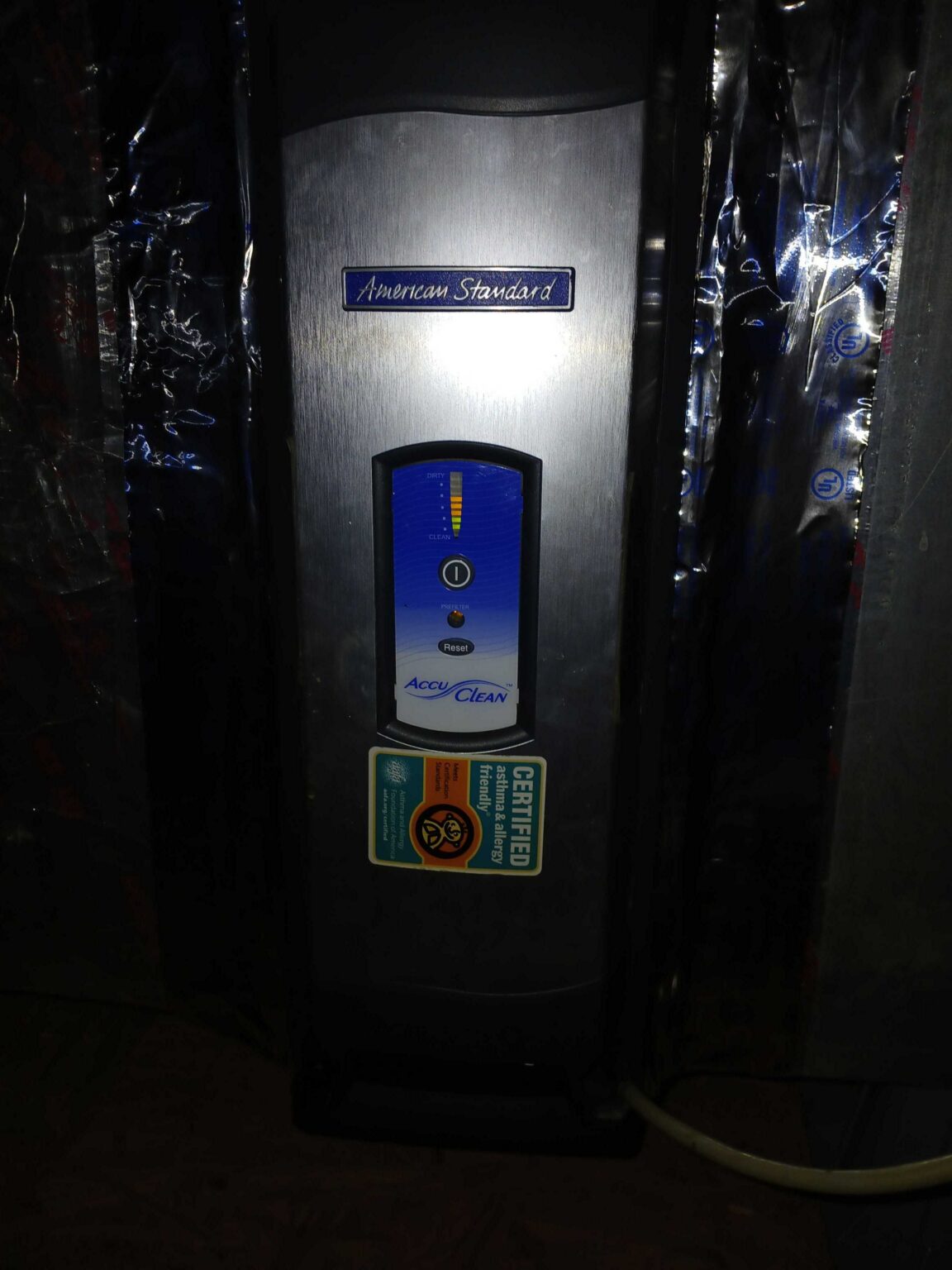
Monitor the air quality indicator lights if your unit has them. These sensors detect particle levels and adjust fan speed automatically. If the indicator stays on high pollution mode constantly, your filters may be saturated.
Listen for unusual noises like rattling, grinding, or excessive humming. These sounds often signal loose parts or motor issues requiring service. Check that all panels and covers are securely fastened during each inspection.
Cleaning and upkeep tips
Unplug your air purifier before any cleaning. Wipe the exterior housing weekly with a damp microfiber cloth to remove dust buildup. Avoid harsh chemicals that could damage plastic components or leave residue.
Clean pre-filters every 2-4 weeks by vacuuming them with a soft brush attachment. Some pre-filters are washable—rinse them with cool water and let them dry completely before reinstalling. Never wash HEPA or carbon filters as water destroys their structure.
Vacuum the air intake vents monthly to prevent dust accumulation that restricts airflow. Use a soft brush to clean the outlet grilles and any visible internal surfaces. Keep the area around your purifier clear with at least 2 feet of space on all sides for proper air circulation.
Signs that service is needed
Your air purifier needs professional service when you notice persistent unusual odors coming from the unit. These smells indicate mold growth, saturated carbon filters, or electrical issues that require expert diagnosis. Don’t ignore burning smells—unplug the unit immediately.
Error codes or warning lights that don’t clear after filter replacement signal internal problems. Frequent tripping of circuit breakers when running the purifier points to electrical faults. Visible damage to the power cord, plug, or housing requires immediate professional attention.
If your unit stops responding to controls or runs continuously without cycling off, the control board may be faulty. Decreased performance despite new filters means internal components need inspection.
Scheduling periodic professional check-ups
Schedule professional maintenance annually even if your purifier seems to work fine. Technicians inspect internal components that aren’t accessible during regular home maintenance. They check motor bearings, electrical connections, and sensor calibration.
Professional service includes deep cleaning of internal fans and housing that accumulates hidden dust. Technicians test actual filtration efficiency with specialized equipment rather than relying on indicator lights. They can identify worn parts before they fail completely.
Some manufacturers require professional servicing to maintain warranty coverage. Keep service records and receipts for warranty claims. Ask technicians about optimal placement and settings for your specific room conditions during check-ups.
Air purifier setup for businesses and commercial spaces
Commercial spaces require specialized air purification systems that can handle higher air volumes and longer operating hours than residential units. Professional setup ensures proper placement, integration with existing systems, and compliance with workplace air quality regulations.
Large-area coverage solutions
Commercial air purifiers need significantly more power and capacity than home units. A typical office of 5,000 square feet requires multiple units or industrial-grade systems that can process thousands of cubic feet per minute.
Professional installers calculate your space’s air changes per hour (ACH) requirements. Most commercial spaces need 4-6 ACH, while medical facilities may require 15 or more. Your setup service will determine how many units you need and where to place them for optimal coverage.
Ceiling-mounted systems often work best for large open areas. Floor units with casters offer flexibility for spaces that change layout frequently. Your installer positions each unit to create proper air circulation patterns throughout the entire space.
Coverage factors include:
- Square footage of the space
- Ceiling height
- Number of occupants
- Type of business activities
- Existing ventilation capacity
Employee health and safety benefits
Clean air directly reduces sick days and improves worker productivity. Studies show that better indoor air quality can reduce respiratory symptoms by up to 20% among office workers.
Air purifiers remove allergens, dust, and airborne pathogens that spread between employees. This matters especially in high-density workspaces where illnesses can quickly affect multiple team members. Your commercial air purifier setup creates a healthier environment that protects your workforce.
Employees with asthma or allergies experience fewer symptoms when you maintain proper air quality. This leads to better focus, less discomfort, and improved job satisfaction. Some businesses report measurable decreases in health insurance claims after installing commercial-grade air purification systems.
Compliance with indoor air quality standards
OSHA and local building codes set specific requirements for workplace air quality. Your commercial air purifier setup must meet these standards to avoid violations and potential fines.
Professional installers understand regional compliance requirements. They ensure your system meets ASHRAE standards and any industry-specific regulations that apply to your business. Healthcare facilities, restaurants, and manufacturing spaces each have different compliance needs.
Documentation matters for inspections and audits. Your setup service should provide certificates showing filter ratings, air flow measurements, and maintenance schedules. Keep these records accessible for building inspectors and insurance reviewers.
Integration with existing commercial HVAC
Your air purifiers should work with your current heating and cooling system, not against it. Professional installation connects purification units to your HVAC controls for coordinated operation.
In-duct purifiers integrate directly into your ventilation system. These units treat all air passing through your building’s ductwork. Standalone units supplement your HVAC in problem areas where extra filtration is needed.
Smart integration reduces energy costs. Your installer programs purifiers to ramp up during business hours and reduce speed after closing. This coordination with your HVAC schedule prevents wasted electricity while maintaining air quality standards.
Integration options include:
- Bipolar ionization systems in ductwork
- UV light purifiers near cooling coils
- HEPA filters in air handlers
- Standalone units in conference rooms
- Portable purifiers for temporary spaces
Preventive measures for high-traffic areas
Reception areas, break rooms, and conference spaces need extra air purification attention. These zones accumulate more contaminants because of constant occupant turnover and varied activities.
Place purifiers near entrances where outdoor pollutants enter your building. Position units in break rooms where food odors and particles concentrate. Conference rooms benefit from purifiers that handle the higher occupancy loads during meetings.
Your setup service identifies these problem zones during the initial assessment. They recommend unit placement that addresses specific issues in each high-traffic area. Regular filter changes become more important in these locations because they process more contaminated air than other parts of your facility.
Restrooms and copy rooms also require dedicated air quality solutions. These spaces generate unique pollutants that standard HVAC systems may not adequately address. Your commercial air purifier setup should include these often-overlooked areas in the coverage plan.
Conclusion
Setting up an air purifier correctly makes a real difference in your home’s air quality. You can choose between portable units that you set up yourself or whole-house systems that connect to your HVAC. Both options work well when installed properly.
Professional setup services handle the technical details for you. They assess your space, pick the best location, and ensure everything runs efficiently. This option works best for whole-house systems or if you want expert guidance.
You don’t always need professional help. Portable air purifiers are simple to install on your own. Just plug them in and place them where you need clean air most.
Regular maintenance keeps your air purifier working at its best. Change filters on schedule and clean the unit as recommended by the manufacturer. This protects your investment and maintains healthy indoor air.
Whether you hire professionals or do it yourself, proper setup ensures your air purifier removes dust, pollen, smoke, and other particles effectively. The right approach depends on your system type, budget, and comfort level with installation tasks.
Schedule a professional air purifier setup service to verify correct placement, sealed filtration, and proper HVAC integration so your system delivers the expected indoor air quality improvements.