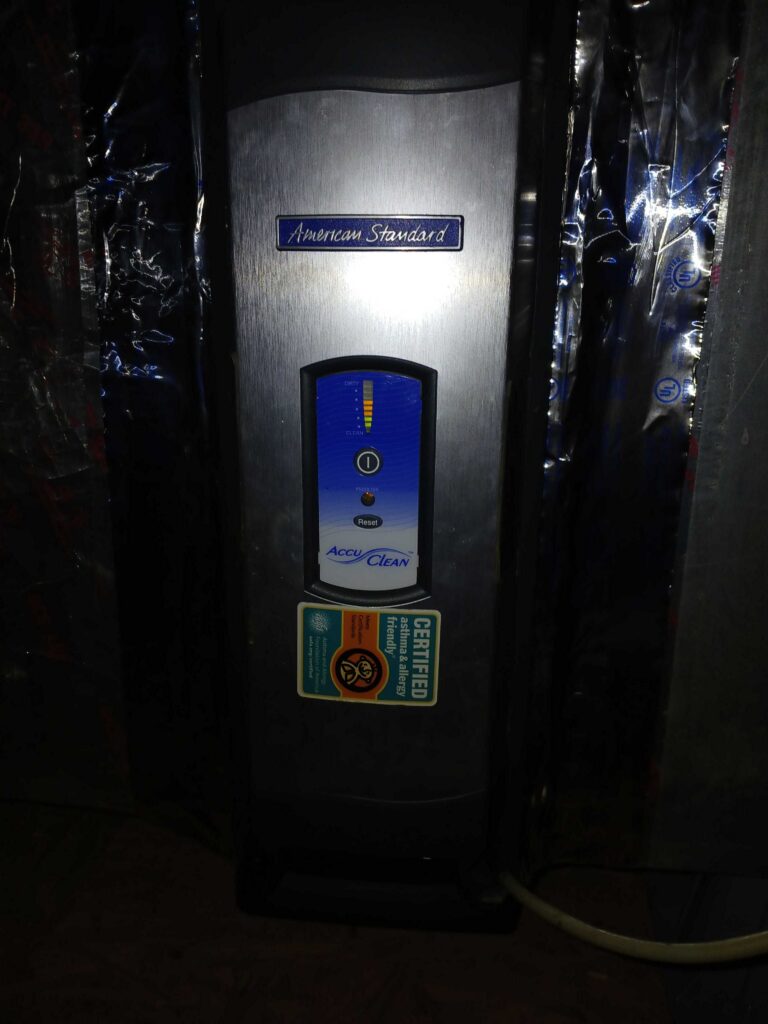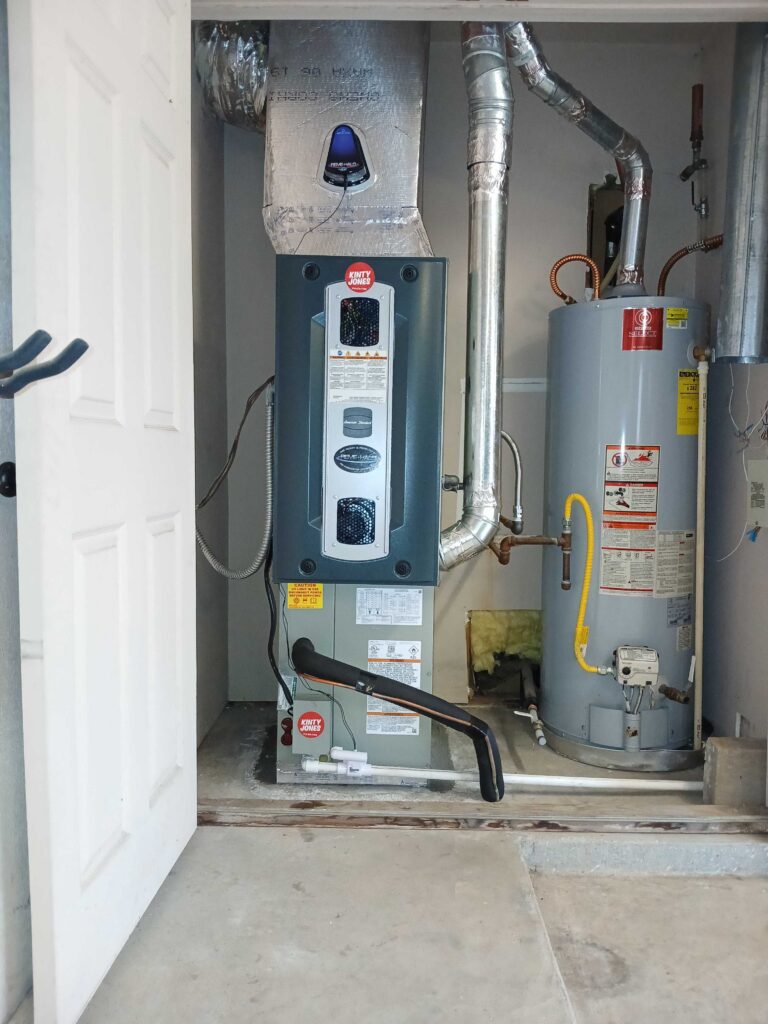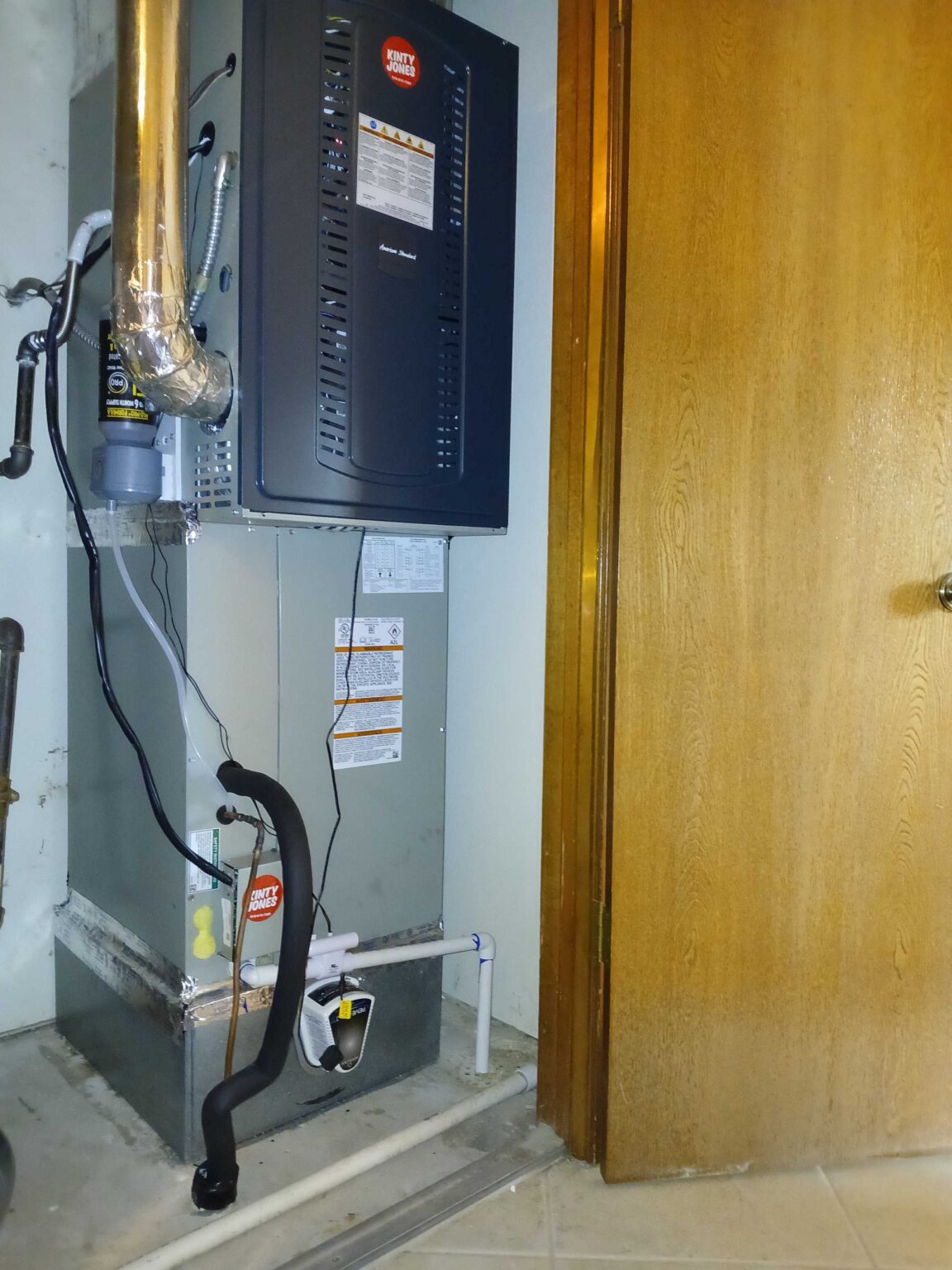
A furnace tune up is a professional inspection and cleaning service that keeps your heating system safe, efficient, and reliable throughout the cold months. Trained technicians check all the important parts of your furnace, clean components that affect performance, and make adjustments to improve how your system works. This service typically takes about an hour and can prevent most common furnace problems.
Winter temperatures in Springdale can drop quickly, and the last thing you want is a furnace breakdown when you need heat the most. A furnace tune up helps keep your heating system running smoothly all season long. Regular maintenance catches small problems before they turn into expensive repairs and helps your furnace work efficiently.
According to the U.S. Department of Energy (DOE), combining proper equipment maintenance with other proven measures (like insulation, air sealing, and thermostat best practices) can help households save about 30% on energy bills, which is why tune-ups are most effective when paired with whole-home efficiency basics.
Many Springdale homeowners wonder when to schedule maintenance, what the service includes, and whether they should try to handle it themselves. In this article, you’ll learn how a furnace tune up Springdale service improves heating safety, efficiency, and cold-weather reliability before peak winter demand hits.
Here’s what you need to know:
- What is a furnace tune up?
- Why a furnace tune up is essential in Springdale?
- Signs your furnace needs a tune up
- What a professional furnace tune up includes?
- Benefits of scheduling a furnace tune up in Springdale
- Recommended furnace maintenance schedule
- DIY vs professional furnace tune ups
Keep reading! Understanding the basics of furnace tune ups helps you make smart decisions about your home’s heating system and avoid unnecessary breakdowns during winter.
What is a furnace tune up?
A furnace tune up is a scheduled service where a trained technician inspects, cleans, and tests your heating system to keep it working properly. This maintenance helps your furnace run safely and efficiently while catching small problems before they turn into expensive repairs.
Definition and purpose of a professional furnace tune up
A professional furnace tune up is a preventive service that examines all major parts of your heating system. During this service, a technician checks components like the burner, heat exchanger, blower motor, and electrical connections.
The main purpose is to keep your furnace running at peak performance throughout the heating season. Regular tune ups reduce energy waste, which lowers your monthly utility bills. They also extend the life of your furnace by preventing excessive wear on parts.
Key benefits of professional tune ups include:
- Improved safety through carbon monoxide and gas leak detection
- Better energy efficiency that saves money
- Fewer unexpected breakdowns during cold weather
- Longer equipment lifespan
Technicians also clean internal components that collect dust and debris over time. This cleaning helps your furnace heat your home more effectively and prevents overheating issues.
Difference between maintenance and repair
Maintenance and repair are two different services for your furnace. Maintenance is scheduled work that prevents problems before they happen. Repair fixes something that’s already broken or not working correctly.
A tune up is a type of maintenance. You schedule it in advance, usually once per year. The technician performs a standard checklist of tasks regardless of whether anything seems wrong.
Repair work happens when your furnace stops working or shows signs of trouble. You might need repairs if your furnace makes strange noises, doesn’t heat properly, or shuts off unexpectedly. Repairs typically cost more than maintenance because parts may need replacement and the problem might have caused additional damage.
Regular maintenance actually reduces your need for repairs. When technicians catch worn parts during a tune up, they can replace them before they fail completely.
Types of furnaces that require regular tune ups
All furnace types need annual tune ups to work safely and efficiently. Gas furnaces burn natural gas or propane and require checks of the burner, pilot light, and gas connections. Technicians test for gas leaks and measure carbon monoxide levels during these tune ups.
Electric furnaces use heating elements instead of flames. These systems need inspections of electrical components, circuit breakers, and heating coils. Oil furnaces burn heating oil and need special attention to the oil filter, nozzle, and combustion chamber.
Some homes use boiler systems that heat water instead of air. These require different maintenance steps focused on water pressure, circulation pumps, and baseboards.
Common furnace types:
- Gas (natural gas or propane)
- Electric
- Oil
- Dual fuel systems
No matter which type you have, skipping tune ups can lead to the same problems: higher energy bills, shorter equipment life, and safety risks.
Seasonal importance of furnace inspections
The best time for a seasonal furnace inspection is early fall, before you need heat regularly. Scheduling in September or October means your furnace will be ready when temperatures drop in Springdale.
Fall inspections give you time to address any problems before cold weather arrives. If your technician finds issues during the tune up, you can get repairs done without rushing or paying emergency rates.
Spring inspections work if you missed your fall appointment. However, waiting until winter to schedule service puts you at risk of breakdowns during freezing temperatures. Many HVAC companies also get busier during peak heating season, making appointments harder to schedule.
Annual inspections help you avoid the worst-case scenario: waking up to a broken furnace on the coldest night of the year. Preventive maintenance costs less than emergency repairs and keeps your family comfortable all winter long.
Why a furnace tune up is essential in Springdale?
Regular heating system maintenance in Springdale protects your home from unexpected furnace failures and keeps your energy costs under control. Professional tune ups address safety concerns while ensuring your system runs at peak performance throughout the heating season.
Prevent costly breakdowns during winter
A furnace tune up catches small problems before they turn into major repairs. Technicians identify worn parts, loose connections, and other issues that could cause your system to fail when you need heat most.
Winter breakdowns often happen at the worst times. They leave your family in the cold and usually cost more to fix than regular maintenance. Emergency repairs can run hundreds or thousands of dollars more than a simple tune up.
Regular inspections let you replace aging components on your schedule instead of during a crisis. You avoid the stress of scrambling for emergency service during cold snaps. Most importantly, you keep your home comfortable all winter long.
Improve energy efficiency and lower heating bills
A well-maintained furnace uses less energy to heat your home. Dirty filters, worn belts, and clogged burners force your system to work harder than necessary. This wastes fuel and drives up your monthly bills.
During a tune up, technicians clean key components and adjust settings for optimal performance. They ensure proper airflow throughout your system. These adjustments help your furnace run more efficiently.
The savings add up over time. Many homeowners see lower heating bills after professional maintenance. Your furnace cycles less frequently when it runs efficiently, which reduces wear and saves money.
Extend the lifespan of your heating system
Furnaces typically last 15 to 20 years with proper care. Without regular maintenance, that lifespan drops significantly. Annual tune ups remove the stress and strain that cause premature failures.
Regular cleaning prevents buildup that damages internal components. Lubrication reduces friction on moving parts. These simple steps keep your system running smoothly year after year.
Replacing a furnace costs thousands of dollars. Regular maintenance represents a small investment that protects your larger investment in home comfort equipment. Most furnace manufacturers also require annual maintenance to keep warranties valid.
Ensure safe operation and prevent carbon monoxide risks
Gas furnaces produce carbon monoxide during normal operation. A properly maintained system vents this dangerous gas safely outside your home. Cracks in heat exchangers or blocked vents can allow carbon monoxide to leak into your living spaces.
Carbon monoxide is colorless and odorless. You cannot detect it without special equipment. Professional technicians inspect your heat exchanger and test for gas leaks during tune ups.
According to the U.S. Consumer Product Safety Commission (CPSC), homes should have carbon monoxide (CO) alarms installed on each level and outside sleeping areas, and the CPSC recommends testing alarms monthly and replacing batteries annually, which supports safer heating-season operation.
They also check ventilation systems to ensure proper exhaust flow. These safety checks protect your family from a silent but deadly threat. Many heating-related emergencies stem from skipped maintenance.
Maintain indoor air quality
Your furnace affects the air you breathe every day. Dirty filters and dusty components circulate particles throughout your home. Regular maintenance keeps your system clean and your indoor air healthy.
Technicians replace or clean air filters during tune ups. They remove dust and debris from blower components. Clean systems distribute cleaner air through your vents.
Poor indoor air quality aggravates allergies and respiratory problems. It affects sleep quality and overall comfort. Heating system maintenance in Springdale includes attention to components that impact air quality, ensuring your family breathes easier all winter.
Signs your furnace needs a tune up
Your furnace shows specific warning signs when it needs professional attention. Catching these issues early helps you avoid expensive repairs and keeps your Springdale home comfortable through winter.
Rising energy bills despite normal usage
Your heating bill shouldn’t jump without explanation. If you notice your energy costs climbing while you’re using the furnace the same way you always have, your system is working harder than it should.
A furnace that needs maintenance loses efficiency over time. Dirty filters, worn parts, and buildup inside the system force your furnace to run longer cycles to reach the same temperature. This extra runtime shows up directly on your utility bill.
Compare your current bills to the same months from previous years. A 10-15% increase without changes to your usage patterns or rates signals a problem. The longer you wait to schedule a tune up, the more money you waste each month on unnecessary energy costs.
Uneven heating or cold spots in your home
Some rooms feel warm while others stay cold when your furnace struggles to distribute heat properly. You might notice your bedroom is comfortable but your living room never reaches the right temperature.
This problem often starts with airflow issues. Blocked vents, dirty filters, or problems with your ductwork prevent heated air from reaching all areas of your home. A failing blower motor can also cause weak airflow that doesn’t push warm air far enough through your system.
Your thermostat might be working fine, but if your furnace can’t deliver consistent heat, you’ll feel the difference room to room. A technician can identify whether the issue is with your furnace components, ductwork, or air distribution system.
Strange noises or odors from the furnace
Normal furnaces run quietly with just a soft hum. Banging, rattling, squealing, or grinding sounds mean something is wrong inside your system.
Common furnace noises and their causes:
- Banging or popping: Dirty burners or expanding metal ducts
- Squealing or screeching: Worn blower motor belt or bad bearings
- Rattling: Loose panels or components
- Clicking: Failing ignition system or electrical issue
Unusual smells are equally concerning. A dusty smell when you first turn on your furnace is normal, but it should fade quickly. Burning plastic, sulfur, or rotten egg odors require immediate attention. These smells can indicate overheating parts, electrical problems, or dangerous gas leaks.
Frequent cycling or short-cycling
Your furnace should run in steady cycles, turning on to heat your home and shutting off once it reaches the set temperature. Short-cycling happens when your furnace turns on and off every few minutes instead of completing normal heating cycles.
This pattern wastes energy and puts extra wear on your system. Short-cycling often results from a dirty flame sensor, clogged filter, or thermostat malfunction. Your furnace might also be oversized for your home, causing it to heat the space too quickly.
Frequent cycling increases your heating costs and shortens your furnace’s lifespan. Each startup uses more energy than steady operation, and the constant stopping and starting damages components faster than normal use.
Older system with irregular performance
Furnaces typically last 15-20 years with proper maintenance. If your system is over 10 years old and showing performance issues, it needs a professional inspection.
Age affects reliability. Older furnaces require repairs more often and struggle to maintain consistent temperatures. You might notice your system takes longer to warm your home or can’t keep up on very cold Springdale nights.
An aging furnace also costs more to operate. Newer models are significantly more efficient, but even an older system should maintain steady performance with regular tune ups. If your furnace is skipping cycles, running constantly, or failing to respond to thermostat adjustments, schedule service before minor issues become major failures.
Parts for older systems can be harder to find and more expensive to replace. A tune up helps your technician assess whether your furnace has years of reliable service left or if you should plan for replacement.
What a professional furnace tune up includes?
A professional furnace service covers several critical areas to keep your heating system safe and efficient. Technicians inspect combustion components, test safety controls, calibrate your thermostat, clean moving parts, and check your filters and ductwork.
Inspection of burners, heat exchanger, and combustion
Your technician examines the burners for proper flame patterns and signs of wear or corrosion. Clean burners produce steady blue flames, while yellow or flickering flames indicate incomplete combustion that wastes energy and creates safety risks.
The heat exchanger gets careful attention because cracks or damage can allow carbon monoxide to enter your home. Your technician looks for rust, corrosion, or metal fatigue that could compromise this vital component.
Combustion testing measures how efficiently your furnace burns fuel. The technician checks gas pressure, air-to-fuel ratios, and exhaust gases to ensure your system operates within manufacturer specifications. Proper combustion reduces energy costs and prevents dangerous buildup of carbon monoxide.
Electrical connections and safety control checks
Loose or corroded electrical connections create fire hazards and cause system failures. Your technician tightens all connections and checks wire insulation for damage or wear.
Per ENERGY STAR, a typical HVAC maintenance check-up includes tightening electrical connections and measuring motor voltage/current, because faulty electrical connections can cause unsafe operation and shorten the life of major components.
Safety controls get tested to verify they shut down your furnace when problems occur. This includes checking:
- Flame sensors that detect whether burners ignite properly
- Limit switches that prevent overheating
- Pressure switches that confirm proper ventilation
- Gas valves that control fuel flow
These safety devices protect your home from fires, gas leaks, and carbon monoxide poisoning. Your technician confirms each control responds correctly during normal operation and emergency conditions.
Thermostat calibration and airflow testing
Your thermostat needs accurate calibration to maintain comfortable temperatures without wasting energy. The technician verifies temperature readings match actual room conditions and checks that your furnace responds correctly to thermostat commands.
Airflow testing ensures your blower motor moves the right amount of heated air through your home. Restricted airflow forces your furnace to work harder and causes uneven heating. Your technician measures static pressure and adjusts blower speed if needed to match your system’s design specifications.
Cleaning and lubrication of moving parts
The blower motor and fan accumulate dust that reduces efficiency and causes premature wear. Your technician removes buildup from fan blades and the blower wheel to restore proper airflow.
Moving parts need lubrication to reduce friction and prevent breakdowns. Bearings, motors, and other components get appropriate lubricants based on manufacturer recommendations. This simple step extends equipment life and keeps your system running quietly.
Your technician also cleans flame sensors and other components that affect ignition and combustion. A dirty flame sensor can prevent your furnace from starting even when all other parts work correctly.
Filter replacement and duct inspection
Your air filter traps dust, pollen, and debris before they enter your furnace. A clogged filter restricts airflow and makes your system work harder. Most furnace maintenance services include a new filter or recommend replacement if you use specialty filters.
The technician inspects accessible ductwork for leaks, damage, or disconnected sections. Leaky ducts waste energy by losing heated air before it reaches your rooms. They also check intake and exhaust vents to ensure proper ventilation and prevent backdrafting of combustion gases.
Return air vents get examined for blockages that limit airflow to your furnace. Your technician may also check for duct insulation problems in unconditioned spaces like attics or crawl spaces.
Benefits of scheduling a furnace tune up in Springdale
Regular furnace maintenance protects your home’s heating system while saving you money and stress during cold weather. Professional tune ups keep your equipment running smoothly and help you avoid problems that arise from neglect.
Reliable heating throughout the season
A furnace tune up ensures your heating system works when you need it most. Technicians check all critical components during service to catch small problems before they turn into failures.
Winter temperatures in Springdale can drop quickly, and you don’t want your furnace to stop working on the coldest night of the year. Regular maintenance keeps your system dependable.
During a tune up, professionals test your furnace’s ability to heat your home properly. They adjust settings and replace worn parts that could cause future breakdowns. This proactive approach means fewer interruptions to your comfort.
Many furnace failures happen because homeowners skip yearly maintenance. A Springdale HVAC tune up addresses wear and tear that builds up over time, keeping your system stable through the entire heating season.
Reduced risk of emergency repairs
Emergency furnace repairs cost more than scheduled maintenance visits. When your system breaks down unexpectedly, you often pay premium rates for urgent service calls.
Tune ups identify issues while they’re still minor and inexpensive to fix. A technician might spot a cracked belt or dirty sensor during routine service, preventing a complete system failure later. Regular inspections reveal problems you can’t see or hear on your own.
Most emergency repairs stem from issues that develop gradually. Annual maintenance catches these developing problems early, when repairs are simpler and parts are readily available.
Scheduling preventive service also means you can plan around your schedule instead of dealing with an unexpected breakdown. You won’t need to take emergency time off work or spend a cold night without heat.
Improved energy efficiency
A well-maintained furnace uses less energy to heat your home. Dirty filters, misaligned burners, and other common issues force your system to work harder than necessary.
During a tune up, technicians clean essential components and optimize your furnace’s performance. This can reduce your energy consumption and lower your monthly utility bills. Some estimates show that regular maintenance can improve efficiency by 15-20%.
Your furnace loses efficiency naturally over time as parts wear and dust accumulates. Annual service reverses this decline and keeps your system running close to its original efficiency level.
Better efficiency also means your furnace cycles less frequently, which reduces wear on components. This creates a positive cycle where maintenance improves performance and extends equipment life at the same time.
Safer operation and compliance with codes
Furnaces produce carbon monoxide during normal operation, and a malfunctioning system can release this dangerous gas into your home. Annual tune ups include safety checks that protect your family.
Technicians inspect heat exchangers for cracks, test carbon monoxide levels, and verify proper ventilation. They also check gas connections for leaks and ensure all safety controls work correctly. These inspections catch hazards before they become dangerous.
Local building codes may require regular furnace maintenance, especially for rental properties or commercial buildings. Keeping service records demonstrates compliance and protects you from potential liability.
A tune up also verifies that your furnace meets current safety standards. Older systems sometimes need updates or adjustments to remain safe, and regular service identifies these needs.
Peace of mind for homeowners
Knowing your furnace has been professionally serviced removes uncertainty about its condition. You can trust your system to work reliably instead of worrying about potential problems.
A Springdale HVAC tune up includes a comprehensive inspection that gives you a clear picture of your equipment’s health. Technicians can tell you what components might need attention in the coming years, helping you budget for future maintenance.
Many furnace warranties require annual professional service to remain valid. Skipping tune ups can void your warranty coverage, leaving you responsible for expensive repairs that would otherwise be covered. Documented maintenance protects your investment and ensures manufacturer support when you need it.
Regular service also builds a relationship with a trusted HVAC company. When you do eventually need repairs or replacement, you’ll have professionals who already know your system and can provide better service.
Recommended furnace maintenance schedule
A good maintenance schedule keeps your furnace running safely and efficiently through the heating season. Most systems need at least one professional visit per year, but some situations require more frequent attention.
Annual tune ups before the heating season
You should schedule a professional furnace tune up every fall before the cold weather arrives. The best time is September or October, giving you enough time to fix any problems before you need heat regularly.
A standard tune up costs between $75 and $200 in most areas. This service includes checking and replacing your air filter, cleaning internal components, testing safety controls, and inspecting the heat exchanger for cracks or damage.
The technician will also check your thermostat settings, test the ignition system, and measure carbon monoxide levels. They look at electrical connections, lubricate moving parts, and verify that your furnace vents properly. These steps prevent breakdowns during winter when you need your system most.
Annual maintenance catches small issues before they become expensive repairs. It also keeps your warranty valid since most manufacturers require proof of regular service.
Additional checks for older or high-use systems
Furnaces over 10 years old need closer attention than newer models. You should consider scheduling two tune ups per year if your system is older or shows signs of wear.
Cold-climate homes that run their furnaces heavily throughout long winters benefit from mid-season checkups. Systems that run constantly work harder and develop problems faster than those in milder areas.
Schedule an extra inspection if you notice higher energy bills, strange noises, or uneven heating. Older systems may need filter changes every 30 days instead of every 90 days. Check your filter monthly and replace it when it looks dirty or clogged.
Importance of keeping maintenance records
Write down the date of every service visit and what work was done. Keep receipts and inspection reports in a folder or digital file you can find easily.
Maintenance records help technicians spot patterns and predict when parts might fail. They show whether problems are new or recurring. These records also prove you maintained your system properly if you need warranty coverage or plan to sell your home.
Set calendar reminders for your next scheduled tune up and monthly filter checks. Track when you replace parts like filters, belts, or igniters so you know their age.
Mid-season inspections if issues arise
Call a technician right away if your furnace makes loud banging, squealing, or rattling sounds during winter. Strange smells, frequent cycling on and off, or rooms that stay cold all signal problems that need immediate attention.
A yellow or flickering pilot light instead of a steady blue flame means incomplete combustion and possible carbon monoxide risk. Visible soot around the furnace or increased dust in your home also require professional inspection.
Don’t wait until your scheduled annual tune up if you notice these warning signs. Mid-season repairs prevent complete system failure and keep your home safe.
DIY vs professional furnace tune ups
Homeowners can handle basic tasks like filter changes, but complex inspections and repairs require professional expertise. Certified technicians have specialized tools and training that make them essential for thorough furnace maintenance.
Limitations of homeowner inspections
You can replace filters and check your thermostat, but your ability to inspect internal furnace components is limited. Most furnace problems develop inside the unit where you cannot see them without disassembly.
Basic DIY tasks you can safely perform:
- Replace air filters every 1-3 months
- Check thermostat settings
- Clear debris around outdoor units
- Ensure vents remain unblocked
You lack the training to identify early signs of heat exchanger cracks, gas pressure issues, or electrical problems. These issues often show subtle symptoms that only experienced technicians recognize. A cracked heat exchanger might operate normally for weeks before failing completely.
Your visual inspection cannot detect carbon monoxide leaks or measure combustion efficiency. These critical safety factors require testing equipment and knowledge of proper readings. Without proper tools, you might miss problems that put your Springdale home at risk.
Safety risks of attempting complex furnace checks
Natural gas furnaces pose serious dangers when handled incorrectly. You risk gas leaks, carbon monoxide exposure, and electrical shock when working beyond simple maintenance tasks.
Adjusting gas valves or burner assemblies without training can create deadly situations. Gas leaks can lead to explosions or carbon monoxide poisoning that affects your entire household. Even small mistakes with electrical components can cause fires or system damage.
Dangerous tasks to avoid:
- Adjusting gas pressure or valves
- Cleaning burner assemblies
- Testing ignition systems
- Working with electrical wiring
- Inspecting heat exchangers
You might also void your furnace warranty by performing unauthorized repairs. Most manufacturers require certified technicians to maintain warranty coverage. The money you save on DIY work could cost thousands if you need warranty service later.
Benefits of certified HVAC technicians
Professional technicians complete extensive training on furnace systems, safety protocols, and local building codes. They identify problems you would miss and fix them before they cause breakdowns.
Certified professionals in Springdale carry proper insurance and licensing. This protects you from liability if something goes wrong during service. They also stay current on new furnace technologies and manufacturer requirements.
Technicians optimize your system for efficiency during tune ups. They adjust airflow, calibrate thermostats, and clean components that affect performance. These adjustments can lower your heating bills by 10-15% compared to an unmaintained system.
Professional service extends your furnace lifespan. Regular expert maintenance helps systems last 15-20 years instead of failing after 10-12 years. This represents significant savings over time.
Tools and diagnostics only professionals have
HVAC technicians use specialized equipment that costs thousands of dollars. These tools measure performance factors you cannot check with standard household items.
Professional diagnostic equipment includes:
- Combustion analyzers to measure efficiency and safety
- Manometers for gas pressure testing
- Multimeters for electrical diagnostics
- Refrigerant gauges for heat pump systems
- Infrared cameras to detect heat loss
Combustion analyzers detect improper burning that wastes fuel and creates carbon monoxide. Manometers ensure your gas pressure stays within safe operating ranges. These measurements require calibrated instruments and knowledge of acceptable values.
Technicians also have access to manufacturer-specific diagnostic software. This software connects to your furnace control board and identifies error codes or performance issues. Without this technology, you cannot fully assess modern furnace systems that rely on electronic controls.
Conclusion
Regular furnace tune-ups protect your home and your wallet. A professional inspection keeps your heating system working safely and efficiently throughout the winter months.
Springdale residents need reliable heating during cold weather. Scheduling a tune-up before winter arrives gives you peace of mind. Professional technicians check all the important parts of your system during each visit.
You can choose between doing some tasks yourself or hiring a professional. Basic filter changes are simple. More complex work like checking for gas leaks or adjusting components requires trained technicians with proper tools.
Local HVAC companies in Springdale offer complete tune-up services that include inspection, cleaning, testing, and adjustments. These services typically cost less than emergency repairs.
Don’t wait until your furnace stops working. Cold weather puts stress on heating systems. A tune-up finds small problems before they become expensive repairs.
Contact a trusted HVAC provider in Springdale to schedule your furnace maintenance. Most companies offer convenient appointment times and service plans. Taking action now means staying warm and comfortable all season long.
Schedule a furnace tune up Springdale with Kinty Jones to confirm safe combustion, restore peak heating efficiency, and reduce the risk of no-heat breakdowns during cold snaps.