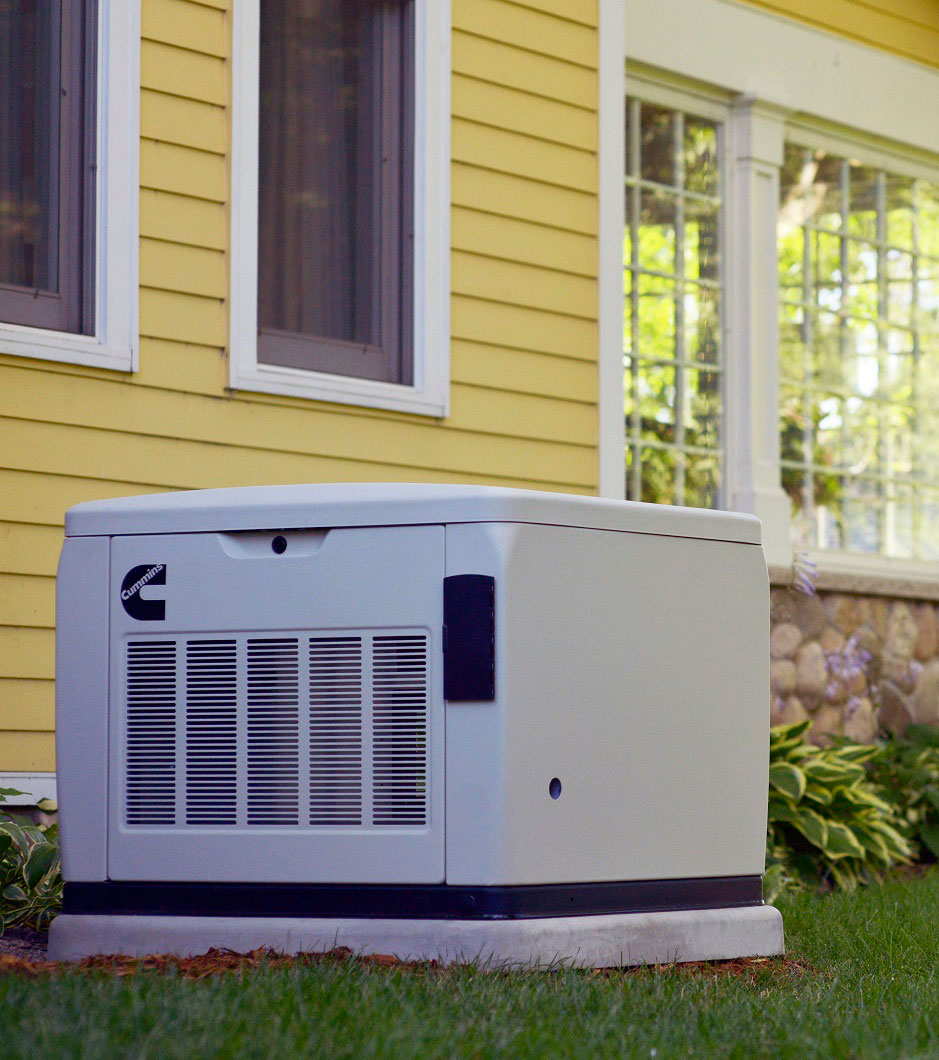
Standby generator repair involves diagnosing and fixing problems with your backup power system so it can provide electricity during outages. Professional technicians check connections, fluid levels, control systems, and other parts to find and fix issues. Regular maintenance and quick repairs help make sure your generator works when you need it most.
According to the U.S. Department of Energy (DOE), neglecting proper maintenance of standby generators can result in premature system failure and lack of power during an outage, which is why routine service is part of keeping the system dependable.
When the power goes out, your standby generator should start up automatically to keep your home running. But what happens when your generator won’t start or runs poorly during an outage? That’s when you need standby generator repair to get your backup power system working again.
This guide will help you understand common generator problems, warning signs that something is wrong, and when to call for professional repair services. You’ll learn how to spot issues early and keep your generator ready to protect your home during the next power outage.
Let’s break down the key points you should consider:
- What is standby generator repair
- Common standby generator problems
- Warning signs your standby generator needs repair
- What causes standby generator breakdowns
- Standby generator repair vs replacement
- Emergency standby generator repair services
- How professional standby generator repair works
- Preventing future generator repairs
Keep reading! You’ll learn how standby generator repair addresses common startup failures, power delivery problems, and warning signs so your backup system is ready during outages.
What is standby generator repair
Standby generator repair involves fixing and restoring backup power systems that automatically provide electricity during outages. These repairs address mechanical issues, electrical problems, and system failures that prevent your generator from working properly when the power goes out.
Difference between standby and portable generators
Standby generators are permanently installed outside your home and connect directly to your electrical system and fuel supply. They turn on automatically within seconds of detecting a power outage. These units typically run on natural gas or propane from your home’s existing fuel lines.
Portable generators are smaller, movable units that you must manually start and set up during an outage. You need to store fuel separately and run extension cords to power specific appliances. These units cannot power your entire home at once.
The permanent installation of standby systems means repairs require specialized knowledge of electrical panels, transfer switches, and fuel systems. Portable units have simpler designs that are easier to troubleshoot but offer less power and convenience.
Why standby generators require professional repair
Standby generators connect directly to your home’s electrical panel and fuel lines, creating safety risks if repairs are done incorrectly. Working on these systems without proper training can lead to electrical shocks, gas leaks, or carbon monoxide exposure.
Per the U.S. Department of Homeland Security’s guidance, generators should be used outdoors and at least 20 feet away from windows, doors, and attached garages, and homes should have working carbon monoxide alarms on every level to reduce CO poisoning risk during outages.
Most standby generator warranties require certified technicians to perform repairs and maintenance. Using unlicensed repair services can void your warranty and leave you responsible for expensive replacement costs.
Professional technicians have the diagnostic tools and training to identify problems quickly. They can access manufacturer parts, understand complex control systems, and ensure repairs meet local building codes and safety standards.
How standby generator systems work in residential homes
Your standby generator monitors incoming utility power through an automatic transfer switch. When the switch detects an outage, it signals the generator to start and shifts your home’s power source from the utility to the generator within 10 to 30 seconds.
According to OSHA, connecting a generator directly to a building’s electrical system without a properly installed transfer switch can energize wiring for great distances and create electrocution hazards—so transfer-switch problems are a high-priority repair item.
The generator draws fuel from your natural gas line or propane tank and uses an engine to power an alternator. This alternator produces electricity that flows through the transfer switch to your electrical panel, powering selected circuits or your entire home.
When utility power returns, the transfer switch automatically shifts back and signals the generator to run a cool-down cycle before shutting off. This automatic operation means you don’t need to be home for the system to protect your property during outages.
Importance of timely generator servicing
Regular servicing prevents small problems from becoming major failures during power outages. Components like batteries, oil, air filters, and spark plugs wear out over time and need replacement to keep your generator ready to operate.
Neglected maintenance leads to fuel system issues, starting problems, and engine damage that can cost thousands of dollars to repair. Your generator may fail to start when you need it most if these problems go unaddressed.
Annual professional maintenance helps your generator last 20 to 30 years instead of failing prematurely. Technicians check electrical connections, test the transfer switch, inspect for fuel leaks, and verify the system responds correctly during simulated outages.
Common standby generator problems
Standby generators can experience several technical failures that prevent them from working when you need backup power. Battery issues, fuel system problems, transfer switch failures, and electrical control malfunctions are the most frequent causes that require repair attention.
Generator not starting during power outages
Your standby generator may fail to start during an outage for several reasons. The most common cause is an old or weak battery that can’t provide enough power to crank the engine.
Low oil levels will also prevent your generator from starting because most models have a built-in safety feature that shuts down the engine to prevent damage. Check your oil level regularly and top it off when needed.
A closed fuel valve or empty fuel tank will stop your generator before it can start. Make sure your fuel shutoff valve is in the open position. Verify that you have adequate fuel supply, whether propane or natural gas.
Common starting issues include:
- Dead or corroded battery terminals
- Dirty air filter restricting airflow
- Faulty spark plugs
- Clogged fuel lines or filters
- Incorrect choke position
Your generator’s control panel may display error codes that help identify the specific problem. Check your owner’s manual to decode these messages and determine if you need professional backup generator repair.
Battery failure or charging system issues
Generator batteries typically last two to three years before they need replacement. Cold weather and infrequent use can shorten battery life even further.
Corroded battery terminals create resistance that prevents proper charging and starting. Clean the terminals with a wire brush and apply anti-corrosion spray to protect them. Check that all battery connections are tight and secure.
Your generator’s charging system must maintain the battery between outages. If the charging system fails, the battery will slowly drain and won’t have enough power when an outage occurs. Test your battery voltage monthly with a multimeter. A fully charged battery should read 12.6 volts or higher.
Some generators have a battery tender or float charger that keeps the battery maintained. These devices can fail over time and need replacement. If your battery keeps dying between tests, the charging system likely needs repair.
Fuel supply and fuel quality problems
Fuel system issues cause many generator failures during extended outages. Natural gas generators depend on consistent pressure from your utility line. Low gas pressure prevents proper combustion and causes the engine to run poorly or not at all.
Propane generators need adequate tank levels to operate. Your tank should never drop below 30% capacity because propane vaporization decreases at low levels. This becomes worse in cold weather when propane doesn’t vaporize as easily.
Fuel quality problems you might encounter:
| Problem | Effect | Solution |
| Old gasoline | Gummed carburetor | Drain and replace fuel |
| Water in fuel | Engine sputtering | Add fuel stabilizer, drain tank |
| Clogged fuel filter | Reduced power output | Replace filter |
| Debris in fuel line | Inconsistent operation | Clean fuel system |
Diesel and gasoline fuels degrade over time and form deposits that clog fuel injectors and carburetors. Add fuel stabilizer if you use these fuel types. Replace stored fuel annually to prevent quality issues.
Transfer switch malfunctions
Your transfer switch detects utility power loss and signals your generator to start. When the transfer switch fails, your generator won’t receive the command to activate during an outage.
Electrical contacts inside the transfer switch can corrode or wear out from repeated use. These contacts must make clean connections to transfer power between utility and generator sources. Dirty or pitted contacts cause arcing, overheating, and eventual failure.
The transfer switch contains sensors that monitor incoming utility power. Faulty sensors may fail to detect an outage or incorrectly signal that utility power has returned. This causes your generator to not start or to shut down prematurely during an outage.
Transfer switch problems require immediate attention because you lose all automatic backup power protection. Most transfer switch repairs need a licensed electrician due to the high voltages involved.
Electrical connection and control board failures
Your generator’s control board manages all automatic functions, including starting, running, and shutdown sequences. Circuit board failures prevent proper operation even when all other components work correctly.
Moisture and temperature extremes damage electronic components over time. Control boards in outdoor enclosures face harsh conditions that accelerate wear. Condensation inside the control panel corrodes connections and creates short circuits.
Signs of electrical problems:
- Error codes on the display panel
- Generator running but not producing power
- Random shutdowns during operation
- Failure to recognize utility power restoration
- Voltage fluctuations or irregular output
Loose wiring connections cause intermittent problems that are hard to diagnose. Vibration from engine operation can loosen electrical connections. Rodents may chew through wiring insulation, creating shorts and ground faults.
Your generator’s voltage regulator controls power output to prevent damage to connected devices. A failed voltage regulator causes output voltage that’s too high or too low. This requires immediate backup generator repair to prevent damage to your home’s electrical system.
Warning signs your standby generator needs repair
A standby generator that shows signs of trouble needs immediate attention to avoid complete failure during a power outage. Problems like power delivery issues, unexpected shutdowns, strange sounds, physical damage, and failed diagnostics all indicate your unit requires professional repair.
Generator runs but does not supply power
Your generator may start and run normally but fail to deliver electricity to your home or business. This problem often stems from a faulty transfer switch that cannot direct power from the generator to your electrical panel.
A tripped circuit breaker inside the generator can also prevent power delivery. Check your generator’s main breaker and reset it if needed.
Voltage regulator failure is another common cause. The voltage regulator controls the amount of electricity your generator produces. When it fails, the generator runs but produces insufficient or no usable power.
Wiring problems between the generator and transfer switch can interrupt the power flow. Loose connections, corroded terminals, or damaged wires all prevent electricity from reaching your building. These electrical issues require a trained technician to diagnose and repair safely.
Frequent shutdowns or error codes
A generator that shuts down repeatedly or displays error codes on its control panel has a serious problem. Low oil pressure triggers an automatic shutdown to protect the engine from damage. This usually means you need to add oil or repair a leak.
High coolant temperature causes shutdowns when the cooling system cannot keep the engine at a safe operating temperature. A clogged radiator, failed thermostat, or low coolant level creates this issue.
Error codes provide specific information about what went wrong. Your owner’s manual lists what each code means. Common codes indicate problems with battery voltage, fuel pressure, overcrank conditions, or sensor failures.
Some generators shut down due to overcurrent protection when they detect an electrical overload. This happens when too many devices draw power at once or when a short circuit occurs in your home’s wiring.
Unusual noises, vibrations, or exhaust odors
Strange sounds from your generator signal mechanical problems that need repair. A knocking or rattling noise from the engine suggests worn bearings or loose internal parts. Squealing sounds often come from a slipping belt that drives the alternator or cooling fan.
Excessive vibration indicates mounting problems or internal imbalance. Normal generators run smoothly with minimal shaking. Strong vibrations can damage other components and loosen electrical connections over time.
Black exhaust smoke means the engine burns too much fuel. This points to clogged air filters, faulty fuel injectors, or incorrect fuel mixture. White or blue smoke indicates oil burning in the combustion chamber, which signals worn piston rings or valve seals.
Strong fuel odors around your generator reveal leaks in the fuel lines, tank, or carburetor. Any fuel leak creates a fire hazard and wastes expensive fuel.
Visible corrosion or fluid leaks
Rust and corrosion on the generator’s exterior or internal components reduce reliability and lifespan. Battery terminals often develop white or green corrosion that prevents proper starting. Corroded electrical connections create resistance that interferes with normal operation.
Oil leaks appear as dark puddles or stains under the generator. Common leak points include the oil pan gasket, valve cover gasket, and oil filter housing. Running low on oil due to leaks can destroy your engine.
Coolant leaks show up as green, orange, or pink fluid beneath the unit. Leaking coolant causes overheating and engine damage. Check hoses, the radiator, and water pump seals for signs of leakage.
Fuel leaks smell strongly of gasoline or diesel. They indicate failed fuel lines, loose connections, or a damaged fuel tank. Address fuel leaks immediately due to fire risk.
Failed self-test or inspection alerts
Most modern standby generators run automatic self-tests weekly to verify readiness. A failed self-test means your generator detected a problem during its routine check. The control panel displays the specific fault code or warning message.
Inspection alerts appear when your generator reaches scheduled maintenance intervals. Common alerts remind you to change the oil, replace filters, or schedule professional service. Ignoring these alerts leads to reduced performance and potential damage.
Battery failure is a frequent self-test issue. Your generator needs a fully charged battery to start. Low battery voltage triggers a warning and prevents the unit from running during an outage.
Communication errors between the controller and engine indicate wiring problems or a failed control board. The generator cannot operate properly without clear signals between these components. A qualified technician must diagnose and repair control system failures.
What causes standby generator breakdowns
Standby generators fail when key systems stop working properly due to neglect, environmental factors, or component deterioration. Understanding these causes helps you prevent unexpected failures and costly emergency repairs.
Lack of routine maintenance
Your standby generator needs regular maintenance to function when power goes out. Without scheduled service, oil becomes contaminated and loses its ability to protect engine parts from friction damage. Air filters clog with dust and debris, restricting airflow to the engine and reducing performance.
Coolant levels drop over time, which can lead to overheating during operation. Battery connections corrode without cleaning, preventing the generator from starting automatically during an outage. Fuel filters collect sediment and water contamination, blocking fuel flow to the engine.
Most manufacturers recommend professional maintenance every six months or after 200 hours of operation. This service includes oil changes, filter replacements, and system checks that identify small problems before they cause complete breakdowns.
Extended periods of inactivity
Your generator suffers damage when it sits unused for months at a time. Fuel breaks down chemically and forms varnish deposits that clog carburetors and fuel injectors. This contamination corrodes critical fuel system components and prevents proper engine operation.
Engine seals dry out without regular operation, leading to oil and coolant leaks. Battery charge depletes naturally over time, leaving your generator unable to start automatically when needed.
Monthly exercise cycles keep your generator healthy by circulating oil through engine parts, maintaining battery charge, and burning fresh fuel through the system. Run your unit for at least 20 minutes each month under load to prevent these inactivity-related problems. This practice also helps you identify issues before an actual power outage occurs.
Weather exposure and environmental damage
Your standby generator faces constant exposure to harsh conditions outside your home. Rain and humidity cause rust on metal components and corrode electrical connections. Water can enter the fuel system through damaged seals or improper venting, leading to engine damage.
Extreme temperatures affect your generator’s performance and reliability. Cold weather thickens oil and makes starting difficult, while heat causes fluids to evaporate faster and puts extra stress on cooling systems. Wind carries debris into air intakes and cooling vents, blocking proper airflow.
Vibrations from normal operation gradually loosen mounting bolts, electrical connections, and fuel line fittings. These loose components create leaks and electrical failures. Rodents and insects nest inside generator enclosures, chewing through wires and creating fire hazards. Regular inspections catch these environmental issues before they cause operational failures.
Electrical surges and load issues
Your generator fails when electrical demands exceed its designed capacity. Overloading occurs when too many appliances run simultaneously, forcing the generator to supply more power than it can safely produce. This excessive demand overheats windings in the alternator and can cause permanent damage to voltage regulation systems.
Power surges from lightning strikes or utility grid fluctuations damage sensitive electronic components in your generator’s control panel. Voltage regulators fail under these conditions, leading to inconsistent power output that can harm connected devices.
Starting large motors or appliances creates sudden power spikes that stress your generator’s electrical system. Your transfer switch experiences wear from repeated cycling, developing contact problems that prevent proper power distribution. Faulty wiring connections create resistance that generates heat and degrades over time, eventually causing complete circuit failures.
Aging components and wear
Your generator’s parts deteriorate naturally through years of service. Spark plugs wear down and fail to create strong ignition, making starting difficult or impossible. Belts crack and lose tension, reducing cooling fan efficiency and alternator charging capability.
Engine bearings develop play from thousands of hours of operation, creating noise and reducing compression. Valve seats erode, causing loss of power and increased fuel consumption. Gaskets harden with age and temperature cycles, allowing oil and coolant to leak from critical seals.
Control boards contain capacitors and relays that fail after years of heat exposure and electrical cycling. Fuel pumps lose pressure as internal components wear, preventing adequate fuel delivery to the engine. Your generator typically lasts 10,000 to 30,000 hours with proper care, but individual components may need replacement much sooner based on operating conditions and usage patterns.
Standby generator repair vs replacement
Deciding between repairing or replacing your standby generator depends on multiple factors including the unit’s age, repair expenses, performance levels, and parts availability. Understanding these key considerations helps you make a smart financial decision.
Evaluating repair costs versus generator age
Your generator’s age plays a major role in whether repair makes financial sense. Air-cooled residential generators typically last 12 to 20 years with proper maintenance. Liquid-cooled commercial units can run 20 to 30 years.
Compare your repair estimate to the cost of a new generator. If repairs exceed 50% of replacement cost, buying new usually makes more sense. Factor in how many years of service you can expect from your current unit.
Most generators come with a five-year warranty that covers repairs and parts. Once this warranty expires, you pay out of pocket for all repairs. An older generator that needs major engine work may cost thousands to fix while only adding a few years of service.
Efficiency and performance considerations
Older generators consume more fuel and produce less power than newer models. If your unit struggles to handle your home’s power needs or runs constantly during outages, it may be time to replace rather than repair.
Modern generators offer better fuel efficiency and cleaner emissions. They also include advanced features like remote monitoring and automatic testing. These improvements can lower your operating costs over time.
Pay attention to how often your generator requires service calls. Frequent breakdowns signal declining reliability. A generator that needs repairs multiple times per year costs more to maintain than a new unit would.
Availability of replacement parts
Part availability becomes a serious concern as your generator ages. Manufacturers may discontinue parts for older models after 10 to 15 years. This leaves you unable to find critical components when they fail.
Some common parts like batteries, air filters, and spark plugs remain available for most models. However, specialized engine components or control boards become harder to source. Long wait times for rare parts mean extended periods without backup power.
If your technician reports difficulty finding parts, replacement becomes necessary. You cannot rely on a generator that sits broken for weeks waiting for unavailable components.
Safety and code compliance factors
Building codes and safety standards evolve over time. Your older generator may not meet current electrical codes or emissions requirements. Some areas now require newer technology that older units cannot provide.
Aging generators pose safety risks including gas leaks, carbon monoxide issues, and electrical hazards. If your unit shows signs of corrosion, fuel system problems, or damaged wiring, replacement protects your family better than repairs.
Insurance companies may require generators meet specific standards. An outdated unit could affect your coverage. Check with your insurance provider about requirements before investing in major repairs.
Emergency standby generator repair services
Emergency situations demand immediate attention when your backup power system fails during a critical moment. Professional repair services provide 24/7 support to diagnose problems, restore functionality, and prevent safety hazards that come with generator malfunctions.
When generator failure becomes an emergency
A generator failure becomes an emergency when you lose power during an active outage or when the system fails to start when needed most. Businesses that rely on continuous power for medical equipment, data centers, or refrigeration cannot afford downtime.
Your generator failure requires immediate attention if you notice fuel leaks, unusual smoke, or burning smells. These signs indicate serious mechanical problems that could lead to fire hazards or complete system failure.
Emergency repair needs also arise when your generator runs but fails to produce adequate power. This partial failure can damage connected equipment and leave critical systems without proper voltage supply. Power surges or voltage drops from a malfunctioning generator can destroy expensive electronics and appliances.
Weather-related outages make generator failures even more critical. When storms knock out grid power for extended periods, a broken generator leaves you without heat, cooling, or essential appliances.
Risks of operating a malfunctioning generator
Operating a damaged generator puts your property and safety at serious risk. Carbon monoxide poisoning becomes a major threat when exhaust systems develop cracks or leaks, allowing deadly fumes to enter enclosed spaces.
Major risks include:
- Electrical fires from damaged wiring or overheating components
- Fuel system fires caused by leaks near hot engine parts
- Property damage from power surges to connected devices
- Personal injury from exposed moving parts or electrical shocks
- Engine seizure from running without proper lubrication
A faulty transfer switch can backfeed electricity into utility lines, creating electrocution hazards for utility workers and neighbors. This dangerous condition also violates electrical codes and can result in liability issues.
Continuing to run a generator with mechanical problems accelerates wear and causes additional damage. What starts as a minor repair can turn into a complete engine replacement if you ignore warning signs.
What to expect during an emergency repair visit
Emergency technicians arrive equipped with diagnostic tools and common replacement parts to resolve issues quickly. Your service call begins with a safety inspection to identify immediate hazards like fuel leaks or exposed wiring.
The technician will test your generator’s starting system, voltage output, and automatic transfer switch operation. They check fuel lines, filters, battery condition, and control panel functions to pinpoint the failure source.
Most emergency visits take 1-4 hours depending on problem complexity. Simple fixes like replacing a dead battery or faulty sensor happen on the spot. More serious repairs may require ordering specialized parts or scheduling a follow-up visit.
You’ll receive a detailed explanation of the problem and repair options with cost estimates. Technicians prioritize getting your generator operational quickly, even if temporary solutions are needed before permanent repairs.
Steps to take before technicians arrive
Turn off your generator immediately if you smell fuel, see smoke, or hear unusual grinding noises. Move away from the unit and ensure the area has proper ventilation to prevent carbon monoxide buildup.
Preparation checklist:
- Clear a path to the generator for easy technician access
- Secure pets that might interfere with repair work
- Locate your generator’s model and serial number
- Note when problems started and any error codes displayed
- Document recent weather events or power surges
Gather your maintenance records and warranty information if available. This documentation helps technicians understand your generator’s service history and identify recurring issues.
Take photos or videos of visible problems like leaks, damaged parts, or error messages on the control panel. These visual records help technicians prepare appropriate tools and parts before arriving at your location.
How professional standby generator repair works
Professional technicians follow a structured process to diagnose problems, fix components, and verify your generator will perform when needed. Each step ensures your backup power system operates safely and reliably during outages.
Diagnostic testing and system evaluation
A certified technician begins by running comprehensive diagnostic tests on your standby generator. They connect specialized equipment to check error codes stored in the control panel. These codes reveal specific issues with the engine, alternator, or other components.
The technician inspects fluid levels including oil, coolant, and fuel. Low or contaminated fluids often cause performance problems. They examine the battery condition and test its voltage and charging system.
Visual inspections identify loose connections, corroded terminals, or damaged wiring. The technician checks for fuel leaks, oil leaks, and coolant leaks around hoses and gaskets. They also look for signs of rodent damage or weather-related wear.
Engine compression tests measure cylinder health. Poor compression indicates worn piston rings or valve problems that need repair.
Transfer switch inspection and correction
The transfer switch controls power flow between utility lines and your generator. A faulty switch prevents your home generator repair from delivering power during outages.
Technicians test the transfer switch by simulating a power outage. They verify the switch detects the outage and signals the generator to start. The switch must transfer loads within seconds to minimize disruption.
Common transfer switch problems include:
- Stuck or corroded contacts that prevent switching
- Faulty control boards that fail to send start signals
- Worn mechanical components that cause delays
- Loose wiring connections that create resistance
The technician cleans oxidized contacts and tightens all electrical connections. They replace damaged contactors, relays, or circuit boards as needed. Proper lubrication of mechanical parts ensures smooth operation.
Electrical load testing and calibration
Load testing verifies your generator produces the correct voltage and frequency under real-world conditions. The technician applies varying electrical loads while monitoring output with meters.
They test voltage regulation at different load levels. Voltage should remain steady whether the generator powers a few lights or your entire home. Fluctuating voltage indicates problems with the voltage regulator or alternator windings.
Frequency testing confirms the engine maintains proper speed under load. The generator repair service checks that the engine governor adjusts fuel delivery correctly. Poor frequency control damages sensitive electronics and appliances.
Technicians calibrate the voltage regulator and governor if readings fall outside specifications. They adjust settings to match your home’s specific power requirements.
Post-repair performance verification
After completing repairs, the technician runs a full operational test. They start the generator multiple times to confirm reliable starting. The unit must reach full operating temperature during this test.
The technician monitors all gauges and indicators for abnormal readings. Oil pressure, coolant temperature, and battery voltage must stay within normal ranges. They listen for unusual noises that might indicate remaining problems.
A final transfer switch test verifies seamless power transitions. The technician checks that all critical circuits receive power when the generator runs. They document all test results and provide you with a detailed service report.
The technician explains what repairs were made and any recommendations for future maintenance. They reset service intervals in the control panel and clear any stored error codes.
Preventing future generator repairs
Taking care of your standby generator now saves you from expensive repairs and power failures later. Regular maintenance keeps your system ready to work when you need it most, and simple upkeep tasks protect your warranty coverage.
Importance of routine generator maintenance
Your standby generator needs regular attention to stay reliable. Most manufacturers recommend professional service once a year, while you should perform basic checks monthly. These inspections catch small problems before they become major repairs.
Regular maintenance extends your generator’s lifespan by years. Clean oil keeps the engine parts moving smoothly, and fresh filters prevent dirt from damaging internal components. A well-maintained generator uses fuel more efficiently and starts faster during power outages.
Skipping maintenance puts your warranty at risk. Most manufacturers require proof of regular standby generator service to honor warranty claims. Missing just one scheduled service could mean paying thousands of dollars out of pocket for repairs that would have been covered.
Professional technicians check components you might miss during basic inspections. They test electrical connections, measure voltage output, and look for wear on belts and hoses. These detailed checks prevent breakdowns that leave you without power when storms hit.
Battery replacement schedules
Generator batteries typically last three to five years with proper care. Old batteries are the leading cause of generator failures during power outages. Your generator won’t start without a strong battery, no matter how well the rest of the system works.
Check your battery every month for corrosion on the terminals. Clean white or green buildup with a wire brush and baking soda solution. Loose connections also prevent proper starting, so tighten terminals if they wiggle.
Most batteries need replacement every three years in hot climates. Cold weather is easier on batteries, so they might last four to five years in northern regions. Mark your calendar with the installation date so you don’t forget when replacement is due.
Load testing shows battery health better than visual inspection. A technician can test your battery’s ability to hold a charge during annual service visits.
Fuel system upkeep
Natural gas systems need less maintenance than diesel or propane units. Gas lines should be checked annually for leaks and proper pressure. Diesel fuel breaks down over time and needs fuel stabilizers or complete replacement every 18 to 24 months.
Propane systems require tank inspections and fuel level monitoring. Keep your propane tank at least half full to ensure enough fuel for extended outages. Water and debris in fuel tanks damage injectors and clog filters.
Change fuel filters according to your manufacturer’s schedule. Most generators need new filters every 200 to 400 hours of operation or once a year. Dirty filters reduce engine performance and cause hard starting.
Condensation forms in fuel tanks when generators sit unused. Run your generator under load periodically to burn off moisture and keep fuel fresh.
Regular self-testing and inspections
Program your generator to run a self-test weekly for 15 to 20 minutes. These automatic tests keep oil circulating and charge the battery. Self-tests also reveal problems before you lose power.
Listen for unusual noises during test runs. Knocking, rattling, or grinding sounds indicate mechanical problems that need immediate attention. Watch for smoke or fluid leaks around the generator cabinet.
Check oil levels before each monthly inspection. Low oil triggers automatic shutdowns that protect the engine but leave you without backup power. Top off oil between service appointments if levels drop.
Inspect the area around your generator monthly. Clear away leaves, grass clippings, and debris that block cooling vents. Keep plants trimmed back at least two feet from all sides of the unit to maintain proper airflow.
Conclusion
Your standby generator needs regular attention to work when you need it most. Small problems can turn into bigger issues if you ignore them. Taking care of maintenance tasks and fixing problems quickly will save you money and stress.
Most generator failures happen because of issues you can prevent. Fuel degradation, dead batteries, dirty air filters, and worn spark plugs cause the majority of breakdowns. You can avoid these problems by checking your generator regularly and replacing parts before they fail.
Professional service once a year keeps your generator in good shape. A trained technician can spot problems you might miss. They can also handle complex repairs that need special tools or knowledge.
You should keep track of when you complete maintenance tasks. Write down any problems you notice, even small ones. This record helps you understand your generator’s condition over time.
Contact a repair service at the first sign of trouble. Waiting can make problems worse and cost more to fix. A generator that runs properly gives you peace of mind during power outages.
Your investment in a standby generator only pays off if it works when the power goes out. Regular maintenance and quick repairs protect that investment. Schedule your next service appointment before you face an emergency.
Schedule standby generator repair with Kinty Jones to diagnose the fault, verify transfer switch operation, and restore reliable backup power before the next outage.