Clogged air filters can push energy bills higher in Rogers and Springdale homes without making much of a scene. The thermostat still works, air still comes from the vents, and nothing is making a dramatic noise. Meanwhile, your HVAC system may be working overtime behind the scenes.
A filter is supposed to catch dust, pollen, pet hair, and other particles before they reach sensitive equipment. Once it fills up, the blower has to pull air through a dusty obstacle course. That extra effort can mean longer cycles, weaker airflow, uneven temperatures, and a utility bill that suddenly has a lot to say.
The good news is that this is one of the simplest HVAC problems to check. If the filter looks more gray than white, start there, then watch how the system behaves afterward.
How does a dusty filter turn into a bigger energy bill?
Your HVAC system depends on a steady volume of return air. A clean filter lets that air reach the blower and indoor coil with little resistance. A loaded filter narrows the path, so the system runs longer to move enough air through the house. That matters because heating and cooling account for nearly half of the energy used in a typical home, according to ENERGY STAR.
Longer cycles turn ordinary dust into real dollars
The blower does not know the filter is dirty. It keeps running while rooms take longer to reach the thermostat setting, whether that is a muggy Rogers afternoon or a cold Springdale morning. Arkansas residential customers paid an average of 12.32 cents per kilowatt-hour in 2024, according to the U.S. Energy Information Administration, so every unnecessary hour of runtime adds up on the meter.
The coil gets colder while the house stays warmer
In cooling mode, a clogged filter can starve the evaporator coil of warm air until moisture on it freezes. If you see ice, shut cooling off and let it thaw before checking the filter. Recurring coil icing after a filter change points to a problem that needs a technician.
What clues does your HVAC system leave around the house?
A dirty filter rarely sends a formal announcement. It leaves smaller clues: a vent that feels lazy, a bedroom that will not settle down, more dust on furniture, or a cycle that seems to have forgotten how to end.
- Weak airflow at several vents. ENERGY STAR notes airflow problems can cut system efficiency by as much as 15% in its maintenance checklist.
- Rooms that disagree with the thermostat. Conditioned air is not reaching every part of the house.
- A bill that jumped while your routine did not. Compare it with the same month last year before blaming the weather.
- Frequent cycling or long run times. These are also common AC repair warning signs.
One clue alone does not prove the filter is guilty. Several together make a stronger case. We covered the airflow side of this in more depth in how clogged filters affect airflow and efficiency in Rogers homes.
How often should you check the filter in Northwest Arkansas?
There is no perfect interval for every house. Filter size, runtime, pets, construction dust, and household size all affect how fast it loads up. ENERGY STAR’s homeowner guidance recommends checking the filter every month and replacing it as needed, or at least every three months.
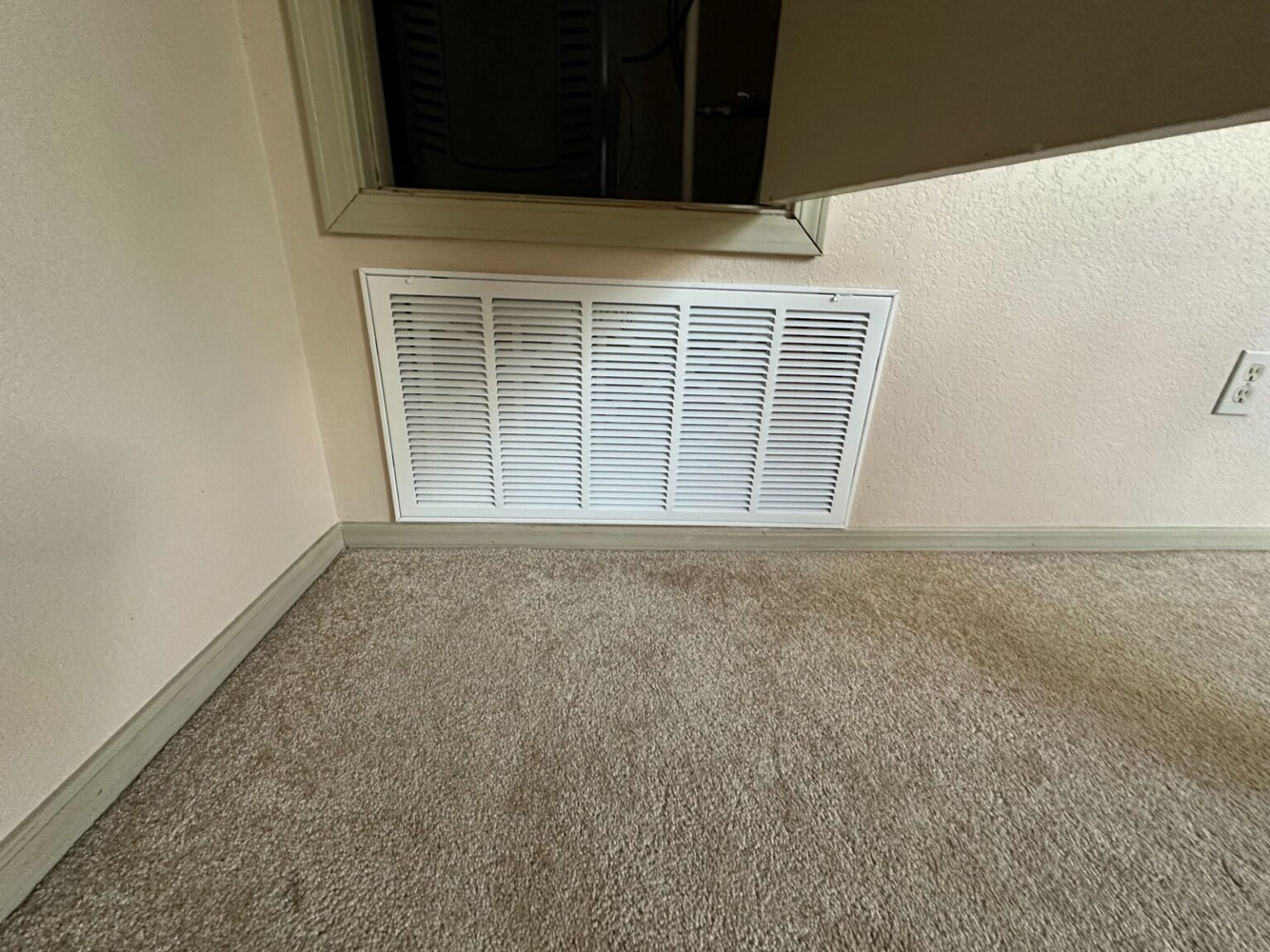
Write the install date on the frame and keep the right size on hand. Shedding pets, spring pollen, open windows, and remodeling projects all speed up the clock. Northwest Arkansas swings between cooling and heating seasons, so fall is not a quiet month for your filter either. If it loads up again within a week or two, gaps around the filter rack or return-duct leaks may be feeding the problem, and indoor air quality service can help sort it out.
A higher MERV number is not always a win. The EPA says a MERV 13 filter, or the highest rating your fan and filter slot can accommodate, can improve particle capture. That last part matters: a filter too restrictive for your system can reduce airflow even when brand new. Check the equipment manual or ask a technician first.
You changed the filter. Why is the bill still high?
A fresh filter removes one restriction, but it cannot undo every effect of long-term low airflow. Dust may already coat the coil or blower wheel, and repeated freezing may have exposed a refrigerant or control problem. Give the system a few normal cycles. If airflow stays weak or the equipment still runs almost nonstop, the filter was only part of the story.
A weak blower motor, dirty coil, undersized return, or leaking duct can imitate a clogged filter. A technician can compare temperatures, inspect the coil and blower, and measure static pressure instead of guessing. A seasonal heating tune-up catches coil buildup, loose connections, and airflow problems you cannot see from the return grille, and a Kinty Club membership keeps those visits on the calendar.
We serve homeowners throughout Rogers and Springdale with practical diagnostics and clear options.
Frequently asked questions
Can a dirty air filter really raise my electric bill?
Yes. A clogged filter restricts airflow, so your system runs longer to heat or cool the house. Longer run times use more electricity, and the effect grows the longer the filter is ignored.
How often should I change my HVAC filter?
Check it monthly and replace it when it looks dirty, or at least every three months. Homes with pets, allergies, or ongoing projects often need more frequent changes.
What MERV rating should I use?
Use the highest rating your system is designed to handle. Many homes do well with a mid-range filter, but a technician can confirm what your blower and filter slot can accommodate.
What if a new filter does not fix the problem?
Then the cause may be a dirty coil, blower issue, duct leak, or refrigerant problem. Schedule a system check rather than lowering the thermostat and hoping for the best.
Dealing with high energy bills in Rogers or Springdale? Call Kinty Jones Heating and Cooling at (479) 899-7415.