A fall furnace tune-up checklist gives Pea Ridge and Rogers homeowners a chance to catch small heating problems before the first serious cold spell. Rogers is home base for KJHC, and Pea Ridge sits just up the road to the north, where homes on the rural edges of town can feel winter wind a little more than a sheltered subdivision lot. It is much easier to discuss a weak igniter or noisy blower in mild weather than while everyone is wearing a coat indoors.
Useful maintenance goes beyond changing the filter and listening for a startup sound. The furnace has to ignite correctly, move enough air, vent combustion gases, respond to the thermostat, and shut down safely. This checklist splits the job into what you can do and what the technician should test.
Start with a five-minute walk-through
The first part of a fall tune-up needs no tools. The National Weather Service reports that freezes typically reach northern and western Arkansas by the last week of October, so this walk-through belongs on the calendar early.
Give the furnace breathing room
Move boxes, paper, paint, gasoline, cleaning supplies, and laundry away from the equipment. The service panel, filter slot, electrical disconnect, gas shutoff, and vent connection should be visible and easy to reach. In Pea Ridge homes where the furnace shares a garage or utility room with tools and fuel cans, this step matters even more.
Check the filter
Look at the size, airflow arrow, install date, and condition. A filter installed backward or packed with dust strains the blower and can cause overheating or short cycling. If filters keep loading up fast, the post on how clogged filters affect airflow in Rogers homes explains what to look for next.
Open up vents and returns
- Make sure every supply vent has a clear path into the room.
- Dust accessible grilles without reaching into the ductwork.
- Note rooms with weak airflow, odd noise, or a temperature that trails the rest of the house.
- Check that the return grille is clear and the filter door closes properly.
Closing lots of vents does not push heat neatly into other rooms. It can change system pressure instead, so keep them open.
What the technician should test while the furnace runs
A furnace can look clean while hiding an ignition, control, airflow, or electrical problem. The technician needs to run a complete call for heat and watch every stage.
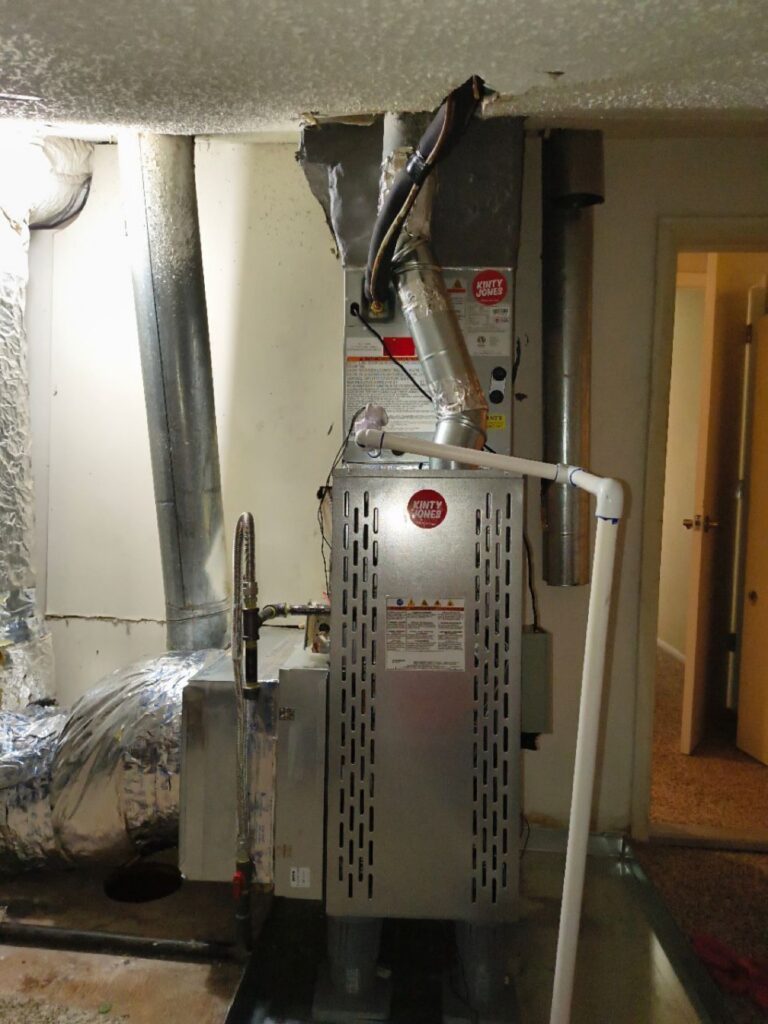
- Ignition sequence. Inducer, pressure switch, igniter or pilot, burners, flame sensor, and blower should respond in the right order. Delayed ignition, repeated clicking, or booming is not normal.
- Airflow and temperature rise. Comparing return and supply temperatures shows whether the furnace is moving enough air across the heat exchanger.
- Electrical parts. Wiring, connections, capacitors, motor current, and safety switches can look fine and still be failing.
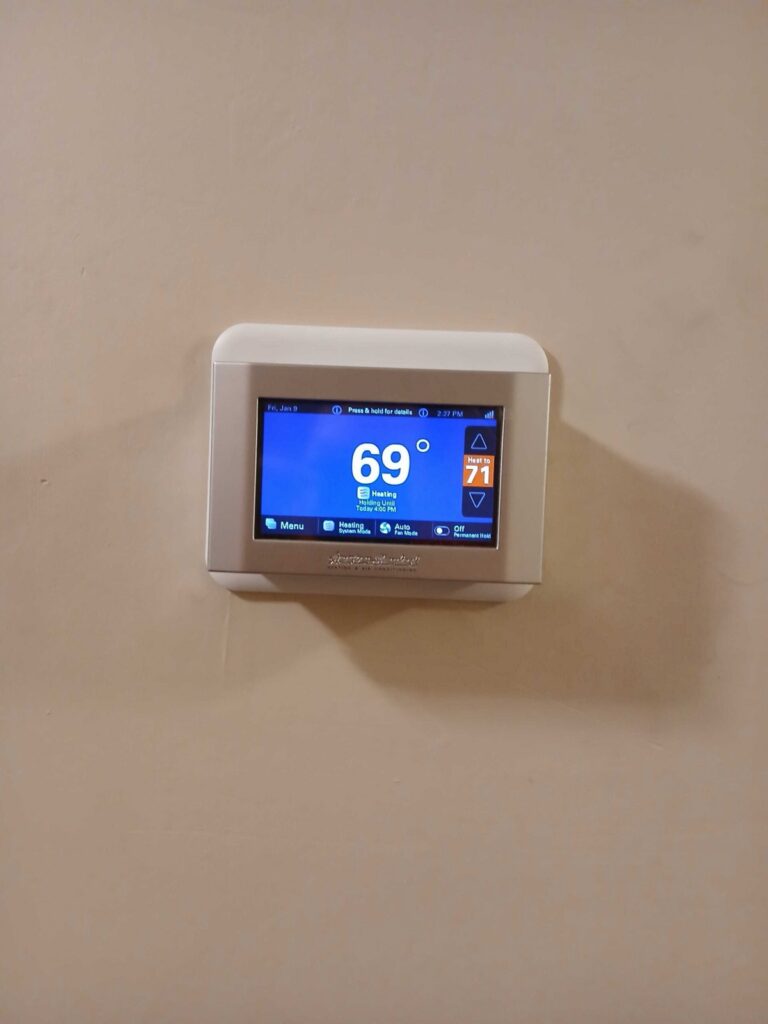
- Thermostat communication. The furnace should start, run, and stop when the thermostat tells it to.
The U.S. Department of Energy notes that heating and cooling typically account for 43% of a home utility bill, so a furnace that runs well is worth the visit. Our heating tune-ups cover these checks, and anything that fails gets a real heating repair diagnosis, not a reset.
Safety belongs at the top of the checklist
The U.S. Fire Administration estimated 27,200 residential building heating fires in 2024. That is why combustion, venting, wiring, and protective controls get attention first.
Combustion gases need a clean exit
A gas furnace needs stable ignition, proper burner operation, an intact heat exchanger, and a vent that carries combustion gases outdoors. Carbon monoxide has no color or smell. Soot, scorching, rust around vent connections, flame rollout, or a CO alarm means the equipment stays off until it is checked.
Borrow the three-foot rule
The U.S. Fire Administration’s heating fire safety guidance advises keeping anything that can burn at least 3 feet from heat sources and having heating equipment inspected by a professional every year.
Test your CO alarms
- Confirm every alarm powers on and passes its test.
- Check the manufacture or replacement date printed on each alarm.
- Make sure furniture, curtains, or storage do not cover them.
- Review an exit plan so everyone knows what to do if one sounds.
Alarms are backup, not a substitute for maintenance. A safe home needs both.
Turn the findings into a winter game plan
The visit should end with priorities, not a vague “it seems fine.” Ask what needs action now, what affects reliability, and what can be watched.
- Safety items first. A damaged vent, failed safety switch, gas leak, or cracked heat exchanger comes before any comfort upgrade.
- Reliability repairs next. A worn igniter or noisy bearing may run today, but fall gives you time to fix it before the busy season.
- Know when it is replacement planning. Repeated failures, worsening comfort, and hard-to-find parts are signs your furnace needs replacing, and our guide to furnace replacement cost covers what drives the price.
Keep the report for next year. Our Rogers HVAC team serves Pea Ridge and the rest of Benton County, and a Kinty Club membership puts two inspections a year on the calendar so the furnace never slides off the to-do list.
Frequently asked questions
What is included in a fall furnace tune-up?
A full heating cycle test plus checks of ignition, burners, venting, safety controls, electrical parts, airflow, temperature rise, and the thermostat. Gas furnaces should also get combustion and carbon monoxide checks.
Is it too late for a tune-up once it is already cold?
No. Earlier is easier, but a tune-up in November still catches problems before the coldest stretch of winter.
Do I need a CO alarm if my furnace was just serviced?
Yes. A tune-up checks the furnace on one day. A working carbon monoxide alarm watches for problems every day after that.
How do I know if my furnace should be replaced instead of repaired?
Look at safety, repair history, comfort, operating costs, and parts availability together. A technician should explain the tradeoffs with findings from your system, not a generic age cutoff.
Dealing with furnace trouble in Pea Ridge or Rogers? Call Kinty Jones Heating and Cooling at (479) 899-7415.