When a furnace pilot light won’t stay lit in a Bentonville or Bella Vista home, the problem can feel strangely personal. You follow the instructions, the flame appears, and then it disappears just as you think the heat is coming back.
That tiny flame may be reacting to a dirty pilot assembly, a worn thermocouple, a draft, a gas supply problem, or a safety control doing exactly what it was designed to do. It may also turn out that your furnace does not have a standing pilot at all. Many newer systems in Bentonville’s newer subdivisions use electronic ignition, which calls for a different troubleshooting path, while some older Bella Vista homes still have the classic standing pilot.
Before reaching for a tool, remember that a gas furnace combines fuel, flame, electricity, and combustion exhaust. Safe homeowner checks stay on the outside of that process. If the simple steps do not restore heat, residential heating repair can find the failed part without turning the furnace into a guessing game.
First question: does your furnace actually have a pilot light?
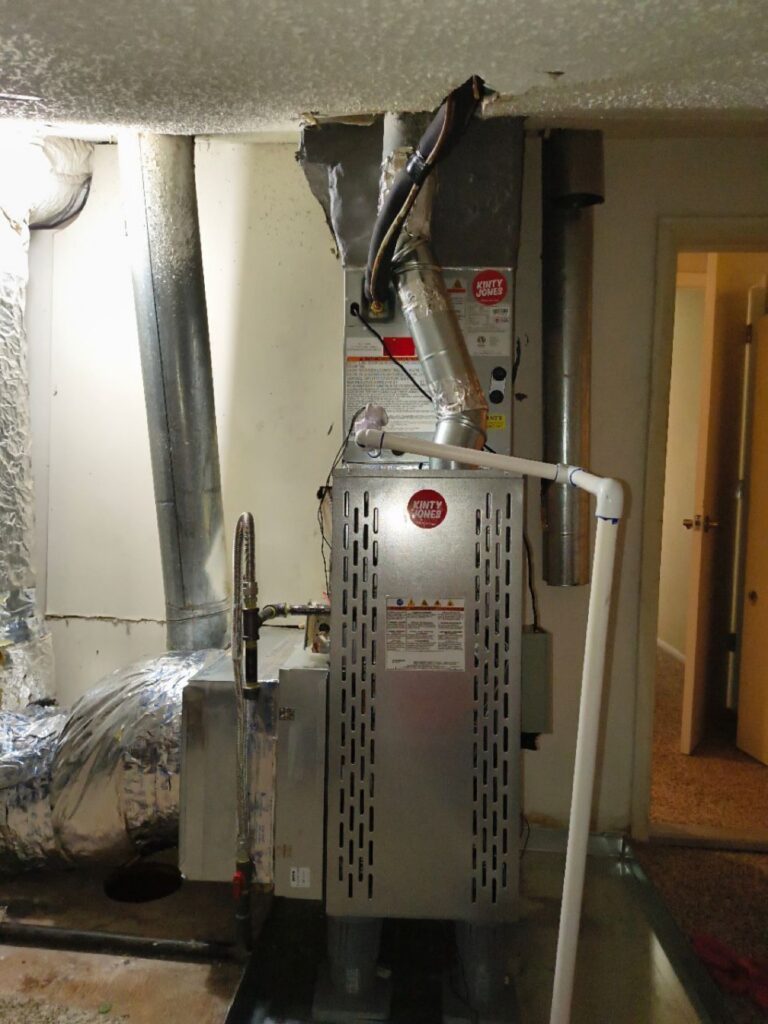
A standing pilot is a small flame that stays on between heating cycles and lights the main burners when the thermostat calls. A thermocouple must confirm that flame is burning before the gas valve keeps supplying fuel. If the pilot goes out, the safety device should stop the gas.
An intermittent pilot lights only during a heating cycle, and a hot-surface igniter glows to light the burners and then switches off. With either design, there is no small flame to watch between cycles. If a newer furnace starts and stops, flashes an error code, or never ignites, the issue may be the igniter, flame sensor, pressure switch, control board, gas valve, or venting.
Look for the manufacturer’s lighting instructions on the furnace cabinet or in the manual. Do not remove burner parts to hunt for a pilot. If the label is unclear, or you notice any gas odor, soot, scorching, or damaged wiring, stop and schedule service. Instructions for a different model are not close enough when gas is involved.
Why does the flame light, then immediately quit?
A pilot that lights but goes out when you release the control is not being temperamental. The furnace is failing to prove that a safe, stable flame is present.
The thermocouple is not convinced
On many standing-pilot furnaces, the thermocouple sits in the flame and sends a small electrical signal telling the gas valve the flame is there. If it is dirty, misaligned, or worn out, the valve closes as soon as you let go. A failed safety device should be diagnosed, never bypassed or bent until the furnace happens to stay on.
A weak pilot flame cannot make a strong case
Dust, corrosion, or debris in the pilot opening can produce a small, wavering flame that does not heat the sensor reliably. Cleaning the cabinet is fine. Pushing wire or compressed air into a gas orifice is not. A technician checks flame shape, thermocouple output, gas pressure, and venting together, because a new thermocouple will not fix low gas pressure or a failing valve.
Drafts and gas supply problems raise the stakes
Air movement near the burner compartment, a venting problem, or gas supply trouble can all disturb the flame. These are not problems to solve with foil shields or adjustment screws. Soot, scorch marks, rumbling ignition, or a flame that behaves unpredictably calls for service.
What can you safely check yourself?
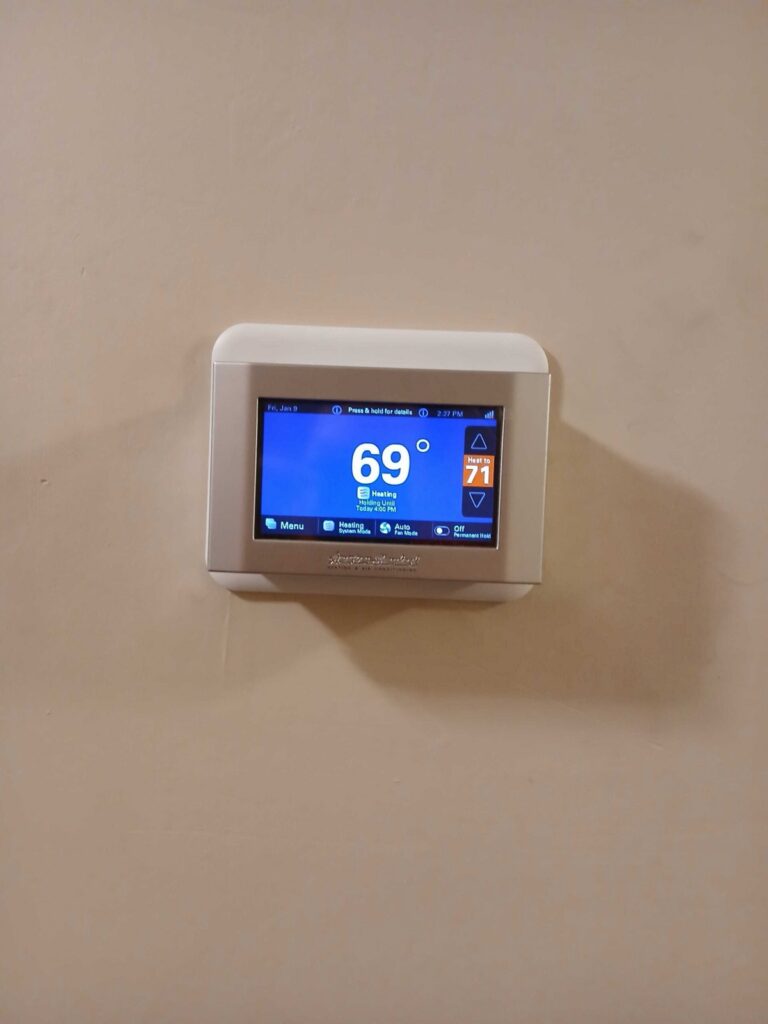
- Thermostat: set to heat, several degrees above room temperature, with a working display. A thermostat problem in Bentonville can look a lot like a furnace failure.
- Power: the furnace service switch is on and the breaker has not tripped.
- Filter: a badly clogged filter can trigger an overheating shutdown, although it rarely explains a standing pilot that will not hold.
- One relight attempt: only if your model has a standing pilot and the label allows manual relighting. Follow it exactly, including the waiting period. If the pilot goes out again, stop. Repeated attempts are not a repair.
When the DIY portion ends
Natural gas odor, soot, unusual burner noise, scorch marks, headaches, dizziness, nausea, or a carbon monoxide alarm changes the situation from troubleshooting to leaving the area.
- If you smell gas, leave the home and call the gas supplier or emergency services from a safe place.
- If a carbon monoxide alarm sounds, move everyone outside and call emergency services.
- If you see soot, scorching, or an unstable flame, shut the system down if you can do so safely and arrange service.
The U.S. Consumer Product Safety Commission recommends carbon monoxide alarms on every level and outside sleeping areas, tested monthly, in its CO alarm guidance. An alarm is essential, but it does not make a malfunctioning furnace safe to run.
When is a stubborn pilot light a service call?
One correct relight may restore an older pilot after a brief interruption. A flame that will not hold, keeps going out, or looks weak has moved past routine homeowner maintenance. Note whether the furnace quits on windy days, after a few minutes, or right after the burners light. Those patterns help a technician narrow it down.
A professional diagnosis should do more than get the flame to stay on. It should identify whether the failure is in the pilot assembly, sensor, gas valve, controls, or venting, verify ignition and safety-switch operation, and explain whether a focused repair or a broader replacement conversation makes sense. Repeated ignition failures and a growing repair bill are among the signs your furnace needs replacing.
Our technicians serve homes across Bentonville and Bella Vista, and a fall heating tune-up or Kinty Club membership helps catch ignition wear before the next cold snap.
Frequently asked questions
Why does my furnace pilot light keep going out?
Common causes include a dirty or worn thermocouple, a clogged pilot opening, drafts near the burner, gas supply issues, or venting problems. A technician can test each one instead of swapping parts at random.
Is it safe to relight a furnace pilot light myself?
Only if your furnace has a standing pilot, the manufacturer allows manual relighting, and there is no gas odor, soot, or scorching. Follow the label exactly and stop after one failed attempt.
Can a bad thermocouple be dangerous?
A failed thermocouple usually shuts off the gas, which is the safe outcome. The danger comes from bypassing it or ignoring other combustion problems. Have it diagnosed and replaced properly.
My furnace has no pilot light. What now?
Newer furnaces use electronic ignition. If it will not light, the igniter, flame sensor, pressure switch, or control board may be at fault, and a technician should test the ignition sequence.
Dealing with a furnace pilot light that won’t stay lit in Bentonville or Bella Vista? Call Kinty Jones Heating and Cooling at (479) 899-7415.