Ductless cooling systems offer a smart way to cool your home without the need for traditional ductwork. These systems use an outdoor unit connected to one or more indoor units mounted on your walls. They work well for homes without existing ducts, room additions, or spaces where you want independent temperature control.
A ductless cooling system consists of an outdoor condenser unit and indoor air handlers that connect through small refrigerant lines, providing efficient cooling to specific rooms or zones in your home. This setup gives you more control over comfort in different areas while using less energy than some traditional systems. The indoor units take up minimal space and can blend into most room designs.
Here’s what this article covers:
- Understanding ductless cooling systems
- Key benefits of installation
- Ideal applications in residences
- The installation process explained
- Cost considerations for ductless installation
Keep reading to learn how these systems work, where they fit best in your home, and what to expect during installation so you can decide whether this cooling option matches your needs and budget.
Understanding ductless cooling systems
Ductless cooling systems work by connecting indoor air handlers directly to an outdoor condenser unit through refrigerant lines, eliminating the need for traditional ductwork. These systems give you control over individual room temperatures while reducing energy waste.
Indoor air handlers and outdoor condenser connection
The indoor air handler mounts on your wall, ceiling, or floor and delivers cool air directly into the room. Each unit connects to an outdoor condenser through a small opening in your wall, usually about 3 inches in diameter.
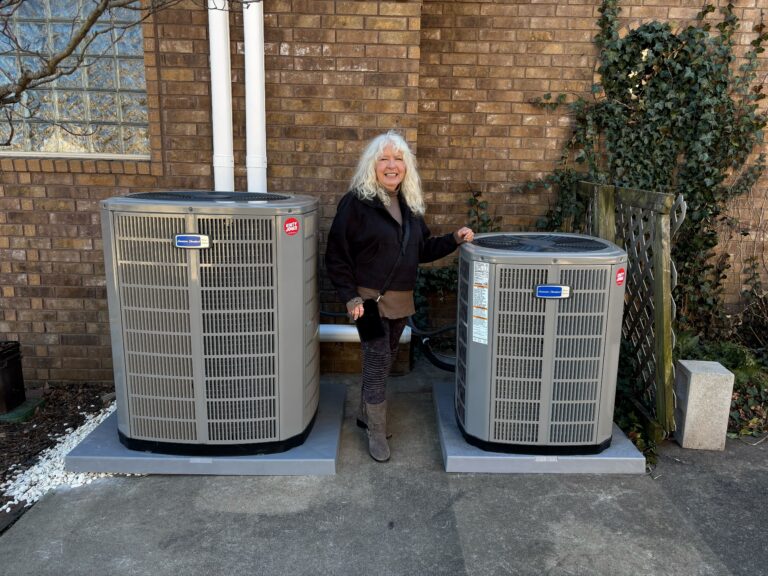
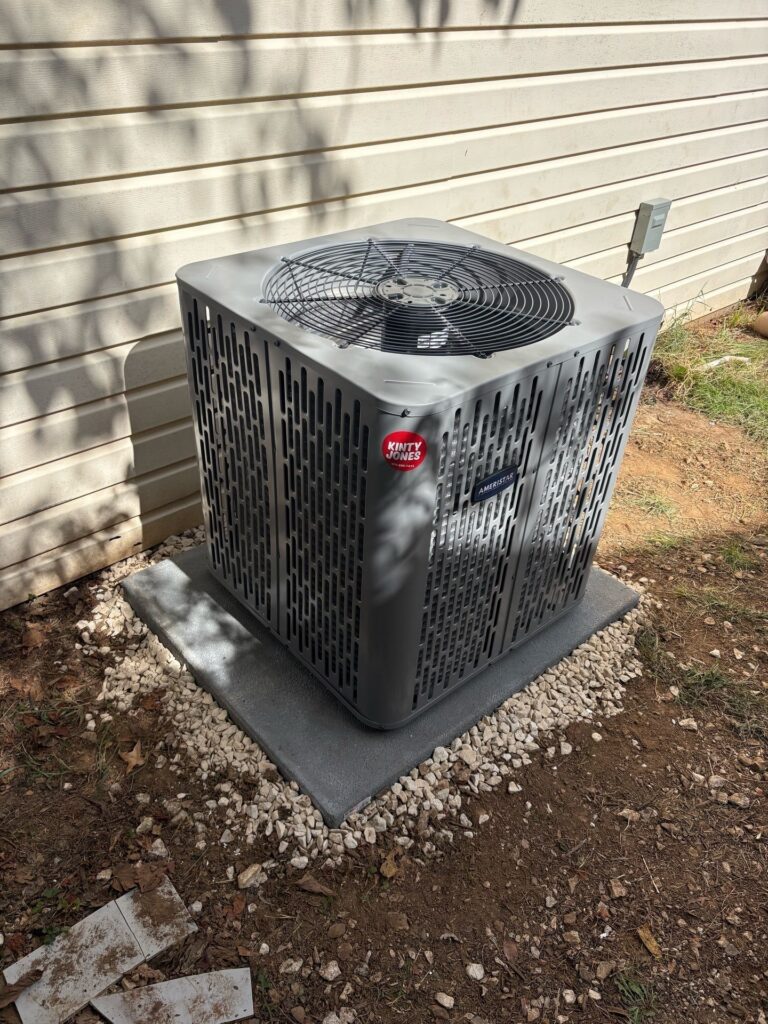
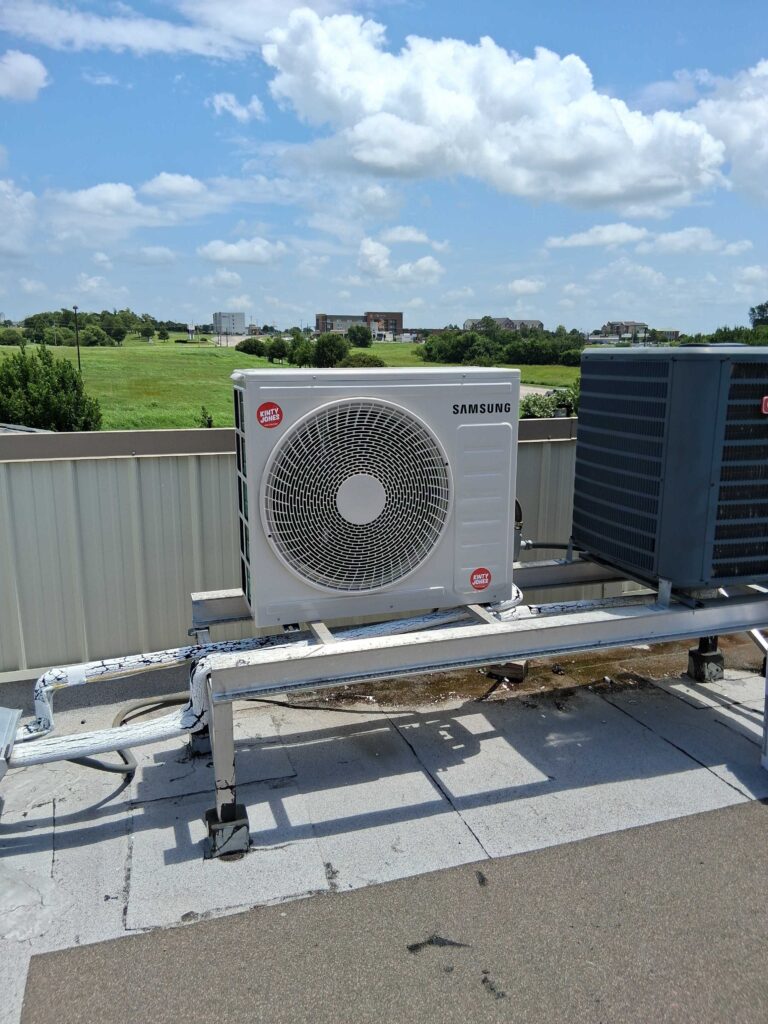
The outdoor condenser houses the compressor and condenser coil. It sits outside your home on a concrete pad or mounting bracket. Most outdoor units can connect to up to eight indoor handlers, depending on the system’s capacity.
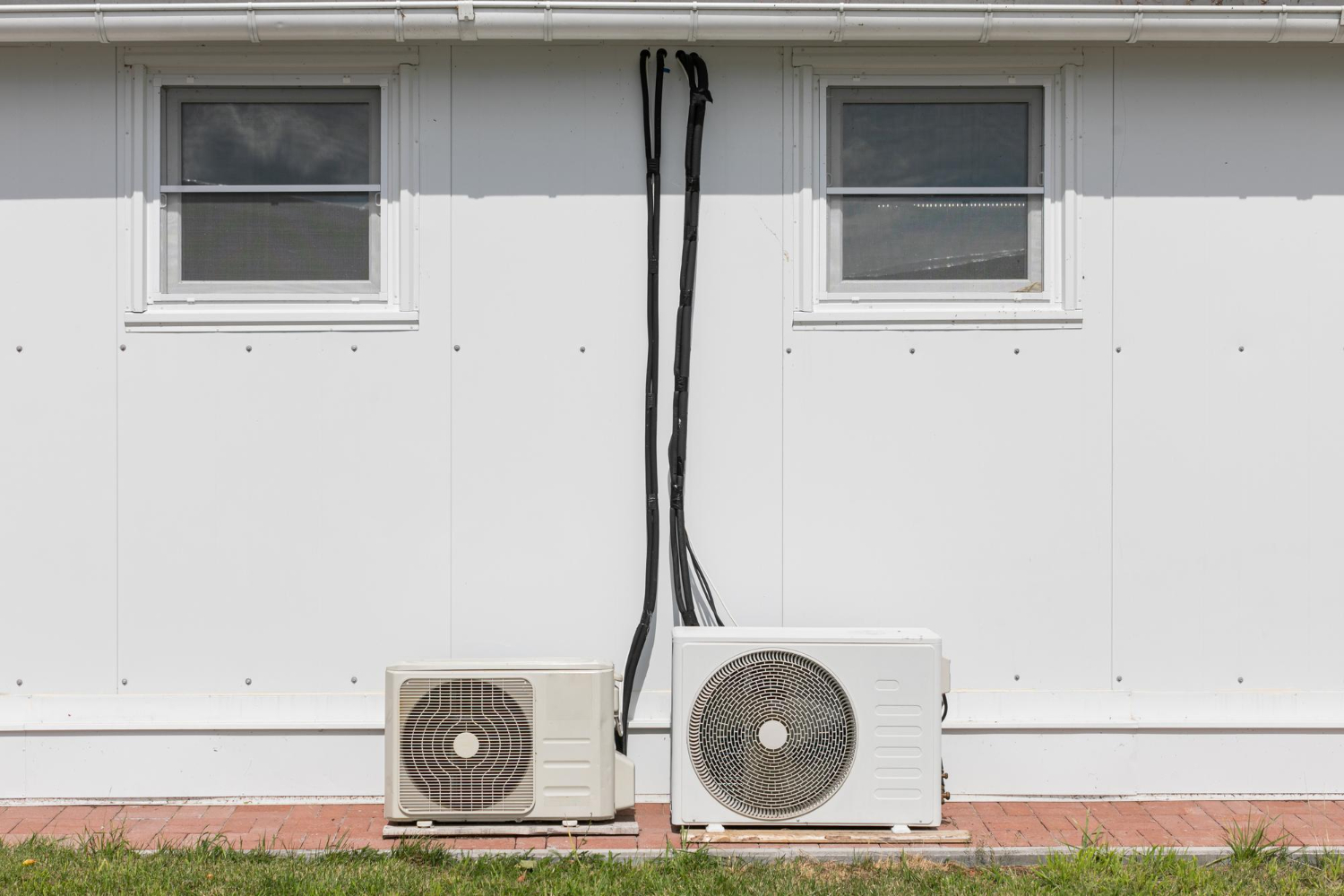
A conduit runs between the indoor and outdoor units through the wall opening. This conduit contains the refrigerant lines, power cable, and condensate drain line. The connection keeps your installation minimal and less invasive than traditional ducted systems.
How refrigerant lines provide efficient cooling
Refrigerant lines are copper tubes that carry refrigerant between your indoor and outdoor units. The refrigerant absorbs heat from inside your home and releases it outside.
The process works in a continuous cycle. The refrigerant enters the indoor unit as a cold liquid and absorbs heat from your room air. It then travels to the outdoor unit as a warm gas, where the compressor pressurizes it and the condenser coil releases the heat outside.
According to the U.S. Department of Energy, duct losses in central forced-air systems can account for more than 30 percent of energy consumption for air conditioning, a loss that ductless systems avoid entirely through direct refrigerant transfer. These lines lose less energy than traditional ductwork because they’re insulated and sealed.
Zoning capabilities for customized comfort
Each indoor unit operates independently with its own thermostat and controls. You can set different temperatures in different rooms based on who uses the space and when.
This zoning saves energy because you only cool the rooms you’re using. Your bedroom can stay at 68 degrees while your living room runs at 72 degrees, or you can turn off units in empty rooms completely.
Multi-zone systems let you install handlers in specific areas that need cooling. You might place units in bedrooms, living areas, and home offices while skipping hallways, closets, or storage rooms. Each zone adjusts to your preferences without affecting other areas of your home.
Key benefits of installation
Ductless cooling systems deliver measurable advantages that impact your energy bills, installation flexibility, and air quality. These systems eliminate traditional ductwork while providing precise temperature control in specific areas of your home.
Energy efficiency and reduced utility costs
Ductless air conditioner benefits start with lower energy consumption compared to traditional central air systems. These units avoid the 20-30% energy loss that typically occurs through leaky or poorly insulated ductwork.
You control each zone independently, which means you only cool the rooms you’re using. This targeted approach can reduce your utility bills by up to 30% compared to running a whole-house system.
According to the U.S. Department of Energy, ductless mini-splits can achieve SEER2 ratings between 15.2 and 35, compared to ducted heat pumps which typically reach between 15.2 and 25 SEER2, giving ductless systems a meaningful efficiency edge. Higher SEER ratings translate to less electricity use for the same cooling output.
Key efficiency features include:
- Inverter technology that adjusts compressor speed based on cooling demand
- No energy loss through duct leaks or poorly insulated ductwork
- Multi-zone capability that eliminates cooling empty rooms
- Programmable controls for automated temperature management
Flexible installation without ductwork requirements
Energy efficient cooling solutions don’t require extensive construction or remodeling. You can install ductless systems in homes where adding ductwork is impractical or too expensive.
Installation requires only a small hole (typically 3 inches) through your wall to connect indoor and outdoor units. This minimal penetration preserves your home’s structure and appearance.
These systems work well in older homes, room additions, converted garages, or any space where running ducts is difficult. You can mount indoor units on walls, suspend them from ceilings, or recess them into drop ceilings.
Each indoor unit connects to the outdoor compressor through refrigerant lines that run up to 50 feet. This range gives you placement options that aren’t possible with window units or portable air conditioners.
Improved indoor air quality and comfort control
Ductless systems include multi-stage filtration that reduces dust, pollen, bacteria, and other airborne particles. You avoid circulating contaminants through dirty ductwork that builds up allergens over time.
Each zone maintains its own temperature setting, which eliminates conflicts over thermostat control. You can keep your bedroom at 68 degrees while another room stays at 72 degrees.
The units operate at noise levels between 19 and 40 decibels, quieter than most central air systems. This quiet operation improves sleep quality and reduces disruption during daily activities.
Ideal applications in residences
Ductless cooling systems work well in homes where traditional central air conditioning is impractical or too expensive to install. These systems provide targeted cooling for specific areas that need climate control without requiring extensive renovations.
Older homes without existing ductwork
Many older homes were built before central air conditioning became standard. Adding ductwork to these properties often means tearing into walls, ceilings, and floors, which creates mess and adds significant cost to any cooling project.
Ductless systems solve this problem by eliminating the need for ducts entirely. The installation requires only a small hole through an exterior wall to connect the indoor and outdoor units. This minimal disruption preserves your home’s original architecture and character.
These systems are particularly valuable in historic homes where maintaining the integrity of the structure matters. You can enjoy modern cooling comfort without compromising period details like plaster walls, decorative moldings, or original woodwork.
Home additions, garages, and converted spaces
Room additions, finished basements, and converted garages often lack connections to your main HVAC system. Running new ductwork to these spaces can be expensive and sometimes impossible depending on your home’s layout.
Ductless units provide an efficient solution for these isolated areas. A single outdoor compressor can connect to multiple indoor units, allowing you to cool several separate spaces with one system.
Common applications include:
- Converted attics turned into bedrooms or offices
- Finished basements used as living areas or rental units
- Garages converted to workshops or gyms
- Sunrooms that get too hot in summer months
- Guest houses or in-law suites separate from the main home
Multi-room zoning for better temperature control
Different rooms in your home have different cooling needs based on sun exposure, occupancy, and usage patterns. Traditional central air systems treat your entire house as one zone, which wastes energy cooling empty rooms.
Ductless systems let you create individual temperature zones throughout your home. Each indoor unit operates independently with its own thermostat, so you control exactly which rooms get cooled and when.
This zoning capability reduces energy costs by avoiding unnecessary cooling in unused spaces. You can keep bedrooms cooler at night while allowing daytime spaces to stay warmer, or vice versa. Family members can also set their preferred temperatures in their own rooms without affecting comfort levels elsewhere in the house.
The installation process explained
Installing a ductless cooling system involves three main phases that determine how well your system performs and how long it lasts. Professional technicians follow specific steps to ensure your equipment works efficiently from day one.
Home assessment and system sizing process
Your technician starts by measuring each room where you want cooling. They calculate the square footage and check ceiling heights to determine cooling requirements. Heat gain from windows, insulation levels, and sun exposure all affect what size system you need.
The assessment includes checking your home’s electrical capacity. Most ductless systems need dedicated circuits, so your electrician verifies your panel can handle the additional load. Wall structure matters too, since installers need to drill through exterior walls to connect indoor and outdoor units.
System sizing is critical for efficiency. An oversized unit cycles on and off too frequently, wasting energy and failing to remove humidity. An undersized system runs constantly without cooling adequately. Your technician uses industry calculations to match equipment capacity measured in BTUs to your specific cooling needs.
Mounting indoor units and connecting refrigerant lines
Wall-mounted AC installation begins with marking the exact position for your indoor unit. Technicians mount a bracket to wall studs, ensuring it’s level and secure enough to hold the unit’s weight. They drill a hole through the wall, typically 2.5 to 3 inches wide, angled slightly downward for drainage.
The refrigerant lines, electrical wiring, and condensate drain all run through this opening. Installers connect copper refrigerant lines from the indoor unit to the outdoor compressor, making sure connections are tight and leak-free. They insulate these lines to prevent energy loss and condensation.
The outdoor unit sits on a concrete pad or wall bracket. Proper placement keeps it away from bedroom windows and ensures adequate airflow around the compressor. Installers secure all refrigerant connections and run electrical lines from your breaker panel to both units.
Testing, calibration, and system startup
After physical installation, technicians vacuum the refrigerant lines to remove air and moisture. This process typically takes 30 to 45 minutes and prevents system damage. They then open the refrigerant valves and check pressures to confirm proper charge levels.
Testing includes running the system through complete cooling cycles. Your technician measures airflow, checks temperature drops across the indoor unit, and verifies all safety controls work correctly. They calibrate the thermostat settings and program any timers or zone controls you requested.
The final step involves showing you how to operate your new system. You’ll learn to use the remote control, change temperature settings, and clean the washable filters. Your installer will explain maintenance requirements and answer questions about your specific HVAC ductless system setup.
Cost considerations for ductless installation
Installing a ductless cooling system typically costs between $2,100 and $7,500 for most homes. The final price depends on how many indoor units you need, which brand and efficiency level you choose, and how difficult the installation will be.
Number of indoor units required
The biggest factor affecting your total cost is how many rooms you want to cool. A single-zone system for one room costs between $1,500 and $3,900 installed. Multi-zone systems increase the price with each additional indoor unit you add.
Here’s what you can expect to pay based on the number of units:
- One unit: $1,500 to $3,900
- Two units: $2,000 to $4,500
- Three units: $3,000 to $6,000
- Four or more units: $4,000 to $7,500+
Each indoor unit connects to the same outdoor compressor, which saves money compared to installing multiple complete systems. A typical bedroom or small living space around 350 square feet needs one indoor unit. Larger open spaces may need two units for proper cooling coverage.
System brand, efficiency rating, and capacity
Different brands charge different prices for their equipment. Premium brands with higher SEER ratings (Seasonal Energy Efficiency Ratio) cost more upfront but use less electricity. A basic system might have a SEER rating of 16, while high-efficiency models reach SEER 25 or higher.
The cooling capacity you need also affects the price. Systems are measured in BTUs (British Thermal Units) or tons. A 9,000 BTU unit works for small rooms, while larger spaces need 18,000 to 24,000 BTU units. Higher capacity units cost more to purchase and install.
Energy-efficient models can lower your monthly utility bills by 30% to 40% compared to window units or older central air systems.
Installation complexity and home layout
Your home’s layout directly impacts labor costs. Simple installations on first-floor rooms with easy outdoor access cost less. Installing units on second or third floors requires more time and equipment.
Wall type matters too. Installing through vinyl siding is straightforward, but brick, stone, or stucco walls take longer to drill through safely. The distance between indoor and outdoor units also affects cost since longer refrigerant lines require more materials and labor.
Electrical work adds to the total if your home needs a dedicated circuit for the system. Some older homes require panel upgrades to handle the additional electrical load, which can add $500 to $2,000 to your project cost. A maintenance membership plan can help protect that investment with regular service after installation.
Conclusion
Installing a ductless cooling system requires careful planning and attention to detail. You need to consider where to place the indoor units, how to run the refrigerant lines, and how to connect everything properly.
The process involves multiple steps that work together to create an efficient system. Your indoor and outdoor units must be positioned correctly to provide the best cooling performance. The refrigerant lines need proper insulation and secure connections to prevent leaks.
Professional installation often makes sense for most homeowners. The specialized tools and technical knowledge required can make DIY installation challenging. Incorrectly installed systems waste energy and may break down sooner than expected.
Your new ductless system should provide years of reliable cooling when installed correctly. The investment in proper installation pays off through lower energy bills and fewer repair needs. You can expect consistent comfort in the rooms where you install the units.
Take time to find qualified installers who follow manufacturer specifications. Ask about their experience with ductless systems and check their references. Your comfort and the system’s performance depend on getting the installation right from the start.
Contact Kinty Jones today to get a professional assessment and find out if a ductless system is the right fit for your home.