Your air conditioner works hard to keep your home comfortable during hot months. Without regular care, it can lose efficiency, use more energy, and break down when you need it most. A preventive AC system tune-up helps you avoid these problems.
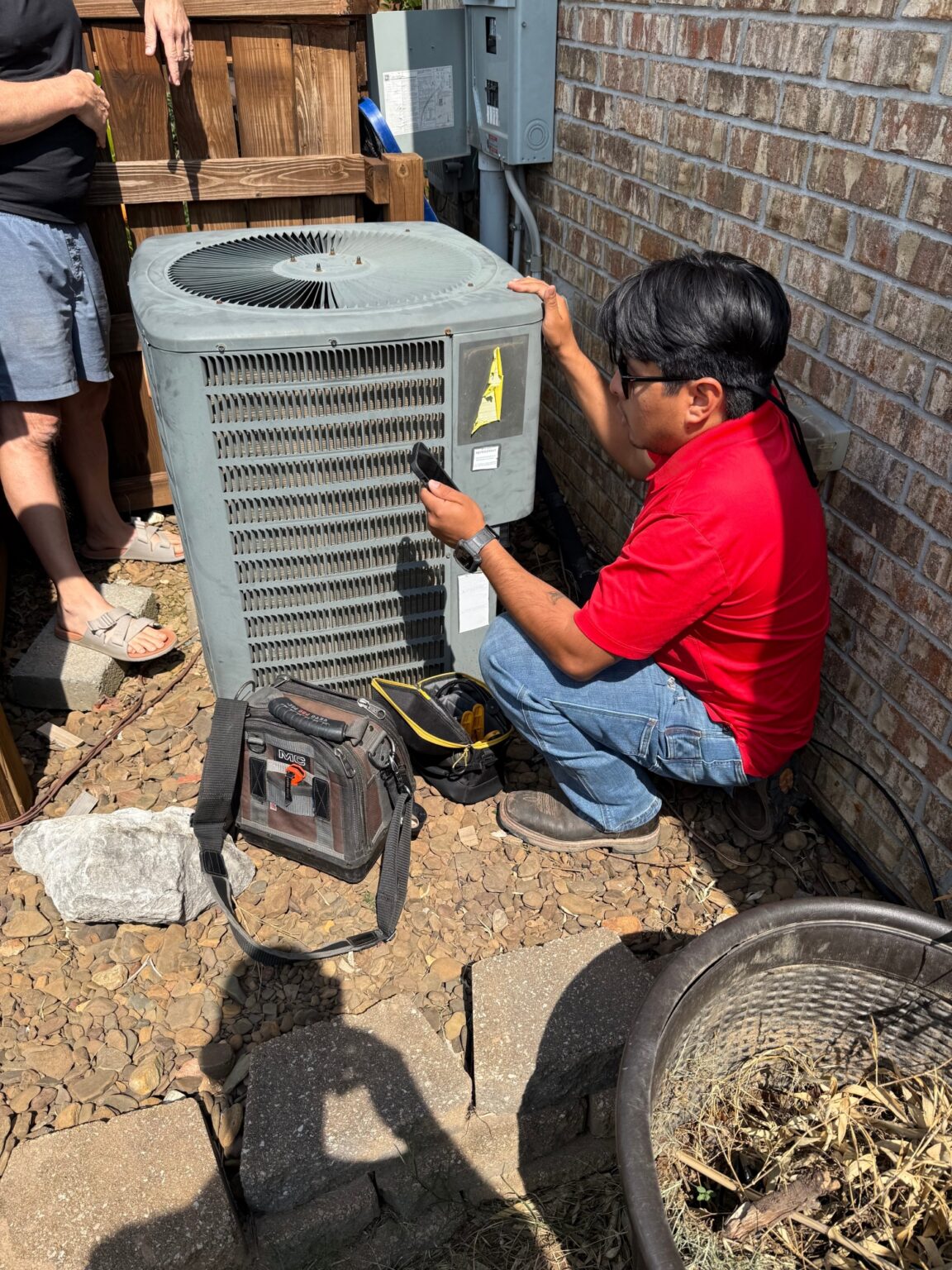
A professional AC tune-up includes inspecting, cleaning, and adjusting your system to improve performance and catch small issues before they turn into expensive repairs. During a tune-up, technicians check refrigerant levels, clean coils, test system components, and make sure everything runs smoothly. This service typically costs between $450 and $1,000 but can save you money by preventing emergency breakdowns.
Here’s what you need to know:
- Importance of routine AC maintenance
- Core steps in a professional AC tune-up
- Indicators that your AC needs attention
- Advantages of scheduling regular service
- Optimal timing for maintenance
Keep reading to understand exactly what a professional tune-up covers, how to spot early warning signs, and why staying ahead of maintenance is the most cost-effective approach to cooling your home.
Importance of routine AC maintenance
Regular AC maintenance keeps your system running reliably while reducing costs and preventing problems before they start. Proper upkeep directly impacts how well your air conditioner performs during hot weather and how long it lasts.
Avoiding unexpected breakdowns during peak heat
Your air conditioner works hardest during summer when temperatures climb. Without regular maintenance, small issues turn into major failures at the worst possible time.
A tune-up catches worn parts before they break completely. Technicians check electrical connections, inspect moving components, and identify refrigerant leaks. These problems often show warning signs that only trained professionals spot during inspections.
Most AC breakdowns happen on the hottest days of the year because the system runs continuously. When your air conditioner fails during a heat wave, you face uncomfortable conditions and emergency repair costs that are two to three times higher than routine service visits.
Scheduled maintenance lets you replace failing parts during off-peak seasons when technicians have better availability. You avoid scrambling for emergency service when demand is highest and wait times are longest.
Improving energy efficiency and lowering utility bills
A neglected air conditioner uses more electricity to produce the same cooling. Dirty coils, clogged filters, and low refrigerant levels force your system to work harder than necessary.
Clean coils transfer heat more effectively. When dust and debris coat the evaporator and condenser coils, your AC runs longer cycles to reach the desired temperature. This wastes energy and increases wear on components.
Proper refrigerant levels matter for efficiency. Low refrigerant makes your compressor work overtime while delivering less cooling. High levels create excess pressure that damages the system.
According to the U.S. Department of Energy, replacing or cleaning air conditioner filters regularly is crucial because dirty, clogged filters reduce airflow and system efficiency, and when airflow is obstructed, dirt can accumulate on the evaporator coil and reduce its heat-absorbing capacity. Regular filter changes alone can reduce your air conditioner’s energy consumption by 5 to 15 percent. During a maintenance visit, technicians clean or replace filters, clear drain lines, and calibrate your thermostat for accurate temperature control. These adjustments add up to lower monthly utility bills and reduced strain on your equipment.
Extending overall HVAC system lifespan
Air conditioners typically last 15 to 20 years with proper care. Without maintenance, you might need replacement after just 10 years.
Regular tune-ups reduce friction between moving parts through proper lubrication. Technicians tighten electrical connections that loosen over time from vibration and temperature changes. They also check that your system cycles on and off correctly rather than short-cycling, which causes premature wear.
Each maintenance visit addresses minor issues before they damage other components. A small refrigerant leak can force your compressor to fail early. A dirty evaporator coil can freeze and crack. These cascading failures are expensive and avoidable.
Your AC represents a major investment in home comfort. Annual maintenance costs $75 to $200 but protects equipment worth thousands of dollars. You get more years of reliable service and delay the significant expense of full system replacement.
Core steps in a professional AC tune-up
A professional AC maintenance tune-up service follows a structured process that addresses electrical safety, system cleanliness, refrigerant performance, and accurate temperature control. These core steps ensure your cooling system performance tune-up delivers maximum efficiency and reliability.
Inspection of electrical components and safety checks
Technicians start by examining all electrical connections throughout your AC system. They look for loose wires, corroded terminals, and worn insulation that could cause system failure or safety hazards.
The electrical inspection includes testing the capacitor and contactor in the outdoor unit. These parts help your compressor and fan motors start and run properly. A failing capacitor can cause your system to struggle or not start at all.
Your technician will also check the voltage and amperage draw of the motors. Readings outside normal ranges signal potential problems. They test safety controls like the high-pressure switch and the float switch in your drain pan.
Circuit breakers and fuses get inspected to confirm they match your system’s requirements. The thermostat wiring receives attention too, since faulty connections can prevent your AC from responding correctly to temperature settings.
Cleaning condenser and evaporator coils
Dirty coils force your AC to work harder and waste energy. The outdoor condenser coil collects dirt, pollen, grass clippings, and debris that block airflow and reduce heat transfer.
Technicians use specialized coil cleaners and low-pressure water or brushes to remove buildup from the condenser fins. They straighten bent fins with a fin comb to restore proper airflow. This step alone can improve efficiency by 10-15%.
The indoor evaporator coil also needs cleaning during your tune-up. This coil sits above your furnace or air handler and can develop layers of dust and grime. A dirty evaporator coil restricts airflow and reduces cooling capacity.
Clean coils help your system remove heat from your home more effectively. This means shorter run times, lower electric bills, and less wear on the compressor.
Refrigerant level testing and adjustments
Your AC needs the exact amount of refrigerant to cool efficiently. Too little refrigerant means reduced cooling and potential compressor damage. Too much causes high pressure and poor performance.
Technicians measure refrigerant levels using gauges attached to service ports. They check both the low-pressure (suction) and high-pressure (discharge) sides of the system. These readings reveal whether your system is properly charged.
If levels are low, your technician searches for leaks before adding refrigerant. Common leak spots include connection points, the service valve, and coil joints. Small leaks get repaired and the system gets recharged to manufacturer specifications.
The technician also measures superheat and subcooling values. These numbers confirm that refrigerant is flowing correctly through the system and changing from liquid to gas at the right points.
Thermostat calibration and system performance testing
A properly calibrated thermostat ensures your home reaches the temperature you set. Technicians verify that your thermostat reads room temperature accurately using a separate thermometer.
They test all thermostat functions including heating mode, cooling mode, and fan settings. Smart thermostats get checked for proper WiFi connection and programming. Older mechanical thermostats may need leveling or contact cleaning.
According to the U.S. Environmental Protection Agency’s ENERGY STAR program, homes that are unoccupied for much of the day can save approximately $100 a year with an ENERGY STAR certified smart thermostat, making thermostat calibration and upgrades one of the highest-return steps in any tune-up visit.
The final step involves running your system through a complete cooling cycle. Your technician measures the temperature difference between supply and return air, which should typically fall between 14-20 degrees.
They listen for unusual sounds, check airflow at registers, and verify that the outdoor unit cycles on and off correctly. This complete system test catches problems that individual component checks might miss.
Indicators that your AC needs attention
Your air conditioning system will typically show clear warning signs when it needs professional maintenance. Catching these early signals can help you avoid complete system failure and expensive emergency repairs.
Reduced cooling efficiency or uneven temperatures
When your AC struggles to maintain comfortable temperatures, something is wrong. You might notice certain rooms stay warmer than others, or the system runs constantly without reaching the temperature set on your thermostat.
This problem often points to low refrigerant levels, dirty coils, or clogged air filters. A refrigerant leak means your system can’t absorb and release heat properly. Dirty evaporator or condenser coils reduce the heat transfer process.
Common cooling issues include:
- Hot spots in specific rooms while others feel cool
- The system runs all day but never reaches the set temperature
- Weak airflow from vents even when the fan runs at full speed
- Temperature differences of more than 2-3 degrees between rooms
These problems waste energy and put extra strain on your system’s components. A tune-up will identify the specific cause and restore proper cooling performance.
Unusual noises or vibrations from the unit
Your AC should run quietly with only a gentle hum. Any grinding, squealing, banging, or rattling sounds signal a mechanical problem that needs immediate attention.
Grinding noises usually mean worn motor bearings. Squealing points to a loose or damaged belt. Banging or clanking sounds indicate loose parts inside the unit. Rattling often comes from debris in the outdoor unit or loose panels.
Vibrations can shake the entire unit or travel through your ductwork. These typically result from unbalanced fan blades, loose mounting bolts, or failing motor mounts. Ignoring these sounds can turn a simple repair into a major component replacement.
Rising energy bills without increased usage
A sudden spike in your electricity costs often means your AC works harder than it should. Compare your current bills to the same months from previous years to spot unusual increases.
According to the U.S. Department of Energy, air conditioners account for about 12 percent of the electricity used in U.S. households, adding up to roughly $29 billion in annual costs for homeowners nationally. An inefficient system might use 20-30% more energy than a well-maintained one. Dirty components, worn parts, and improper refrigerant levels all force your AC to run longer cycles. This extended runtime directly translates to higher electric bills.
Regular tune-ups keep your system running at peak efficiency. Technicians clean coils, check refrigerant levels, and adjust components to reduce energy waste.
Advantages of scheduling regular service
Regular AC tune-ups help your system work better, break down less often, and keep your home more comfortable. These scheduled visits also protect the air you breathe and extend how long your equipment lasts.
Improved indoor comfort and airflow performance
Your air conditioner needs clean filters and properly adjusted parts to cool your home effectively. When technicians service your system, they clean or replace filters that have collected dust and debris. This simple step immediately improves airflow throughout your home.
Dirty coils and clogged components force your AC to work harder to reach the temperature you set. During a tune-up, technicians clean these parts and check refrigerant levels to make sure your system cools efficiently. They also test your thermostat to ensure it reads temperatures accurately and responds correctly to your settings.
Better airflow means rooms cool more evenly. You won’t have hot spots in certain areas or struggle with weak air coming from your vents. Your system will reach your desired temperature faster and maintain it more consistently throughout the day.
Fewer emergency repair needs over time
Preventive care catches small problems before they turn into major breakdowns. Technicians inspect electrical connections, motors, and other critical components during each visit. They can spot worn parts and replace them before they fail completely.
Common issues found during tune-ups:
- Loose electrical connections
- Worn belts or bearings
- Low refrigerant levels
- Dirty or damaged coils
Fixing these minor issues costs much less than emergency AC repairs. An AC service cost typically ranges from $75 to $200 annually. Emergency repairs during summer heat can cost several hundred dollars or more, especially if major components fail.
Regular maintenance also helps your system last longer. Well-maintained air conditioners can serve your home for years beyond systems that never receive professional care.
Better air quality and system reliability
Clean AC components mean cleaner air circulating through your home. Tune-ups include cleaning or replacing filters that trap dust, pollen, and other particles. Technicians also clean drainage systems that can harbor mold and bacteria.
Your system becomes more dependable when it receives regular attention. You can count on it to work when temperatures rise instead of worrying about breakdowns during heat waves. This reliability matters most when your family needs cooling the most.
Preventive care keeps your warranty valid too. Many manufacturers require proof of annual maintenance to honor warranty claims. Missing scheduled tune-ups could mean paying out of pocket for repairs that would otherwise be covered.
Optimal timing for maintenance
Scheduling AC maintenance at the right time prevents breakdowns and keeps your system running efficiently. Spring offers the best window for service, though several factors determine how often your specific system needs attention.
Recommended seasonal service timing
Spring stands out as the ideal time to schedule your AC tune-up. The months between March and May give you the best opportunity to prepare your system before summer heat arrives.
During spring maintenance, technicians can address problems that developed over winter. They have more availability compared to busy summer months. You’ll also find better appointment flexibility and potentially lower service rates.
Most homeowners benefit from annual tune-ups scheduled in spring. If you live in a hot climate with year-round cooling needs, consider scheduling maintenance twice yearly. A spring check prepares your system for summer, while a fall inspection ensures your heating components are ready for winter.
Your HVAC seasonal maintenance checklist should include filter changes, coil cleaning, refrigerant checks, and electrical component inspections. These tasks work best when completed before you need your system most.
Factors that affect maintenance frequency
Your maintenance schedule depends on multiple factors beyond the calendar. Systems that run year-round need more frequent service than those used seasonally.
Key factors include:
- System age — units older than 10 years require more frequent inspections
- Climate conditions — hot, humid areas put more strain on AC systems
- Usage patterns — constant operation creates more wear than occasional use
- Air quality — dusty or polluted environments clog filters faster
- Pet ownership — pet hair and dander increase filter changes
Commercial systems typically need quarterly service due to extended operating hours. Homes with allergies or respiratory concerns benefit from more frequent filter replacements every 30-60 days rather than the standard 90 days.
Importance of pre-summer inspections
Pre-summer inspections prevent system failures during peak cooling season. An AC breakdown in July means discomfort, emergency service fees, and limited technician availability.
Spring maintenance catches small problems before they become expensive repairs. A worn belt costs $20 to replace during a routine visit but can lead to $500 in damage if it breaks during operation.
Your technician checks refrigerant levels, electrical connections, and moving parts during these inspections. They clean components that accumulate dirt over winter. This service improves efficiency by up to 15% and reduces your energy bills throughout summer.
Waiting until summer to schedule service puts you at risk. Hot weather creates high demand for HVAC technicians, leading to wait times of several days or weeks. Consider joining a maintenance membership plan to secure priority scheduling before the busy season starts.
Conclusion
Regular preventive AC tune-ups protect your comfort and your wallet. Annual maintenance helps your system run efficiently for 10 to 20 years instead of failing early.
Professional tune-ups catch small problems before they turn into expensive repairs. A technician will clean components, check performance, and optimize your system during each visit. This keeps your energy bills lower and prevents breakdowns during hot weather.
Spring is the best time to schedule your tune-up. Your AC will be ready when summer heat arrives. You won’t face the stress of a broken system on the hottest day of the year.
The cost of preventive maintenance is much lower than emergency repairs or early replacement. Most systems need just one professional visit per year to stay in good condition.
Your AC works hard to keep your home comfortable. Give it the care it needs with regular tune-ups. Schedule your next maintenance appointment before cooling season starts. This simple step will save you money and extend your system’s life.
Contact Kinty Jones today to schedule your preventive AC tune-up before the summer season begins.