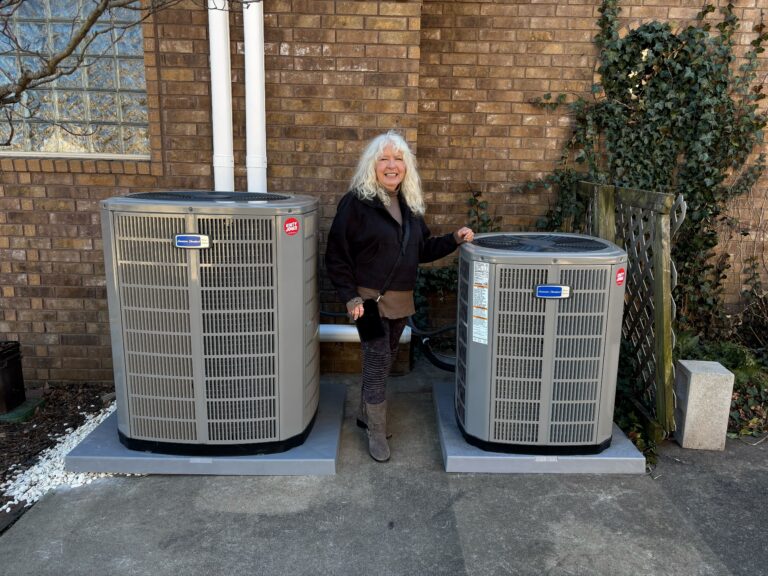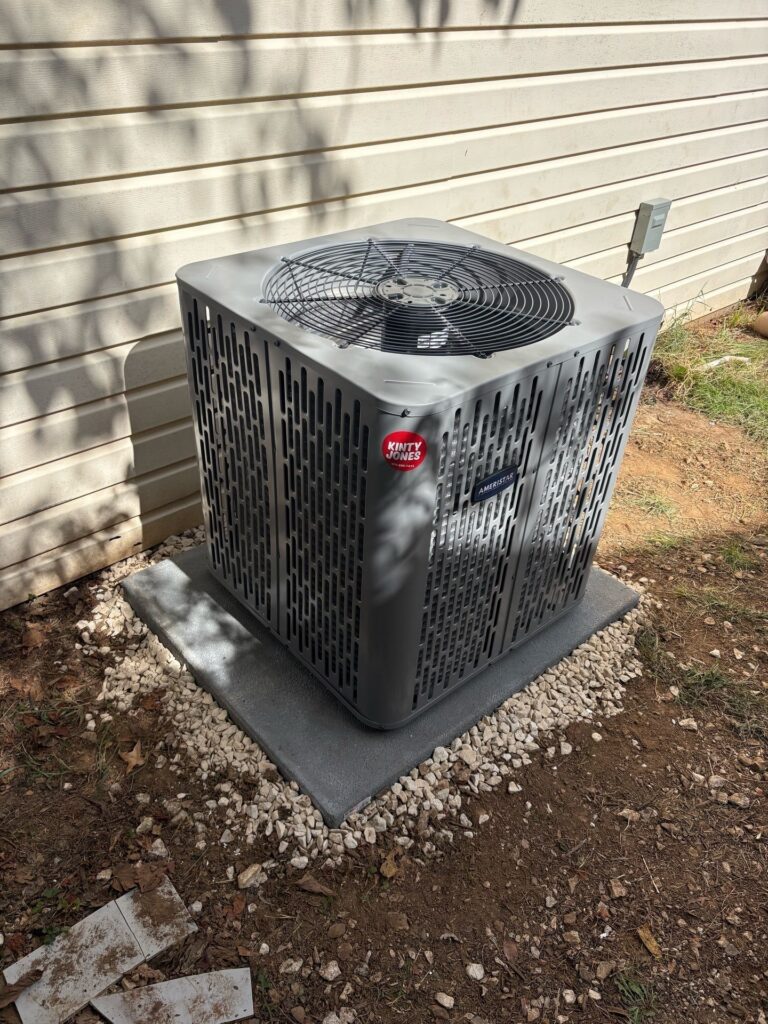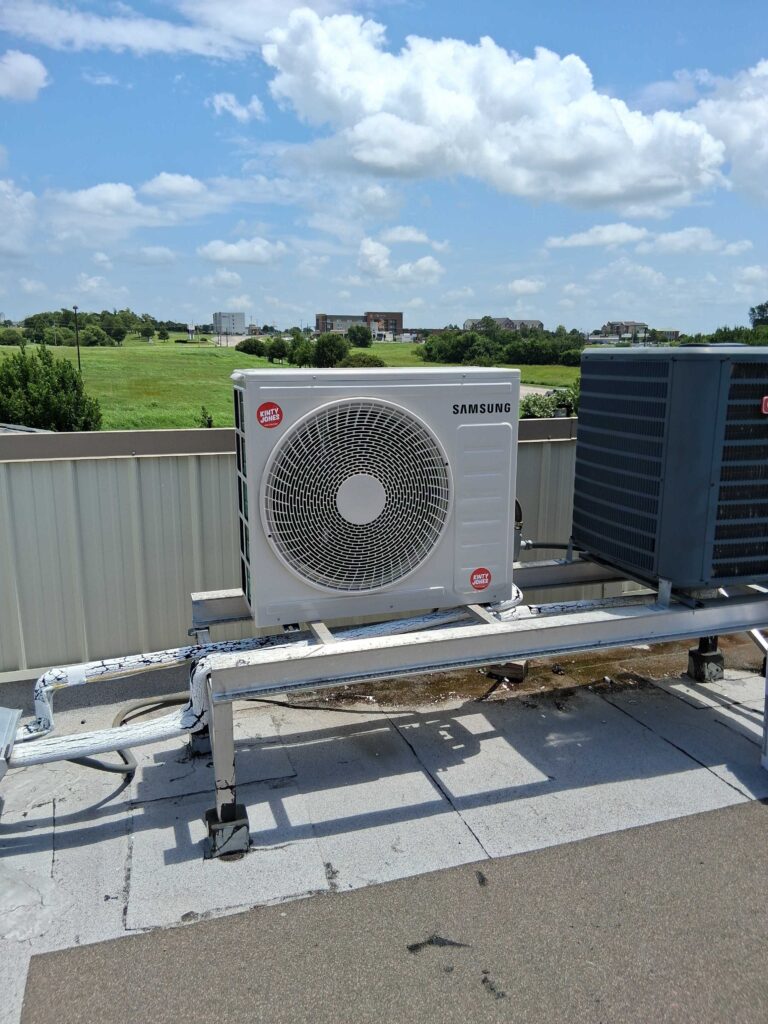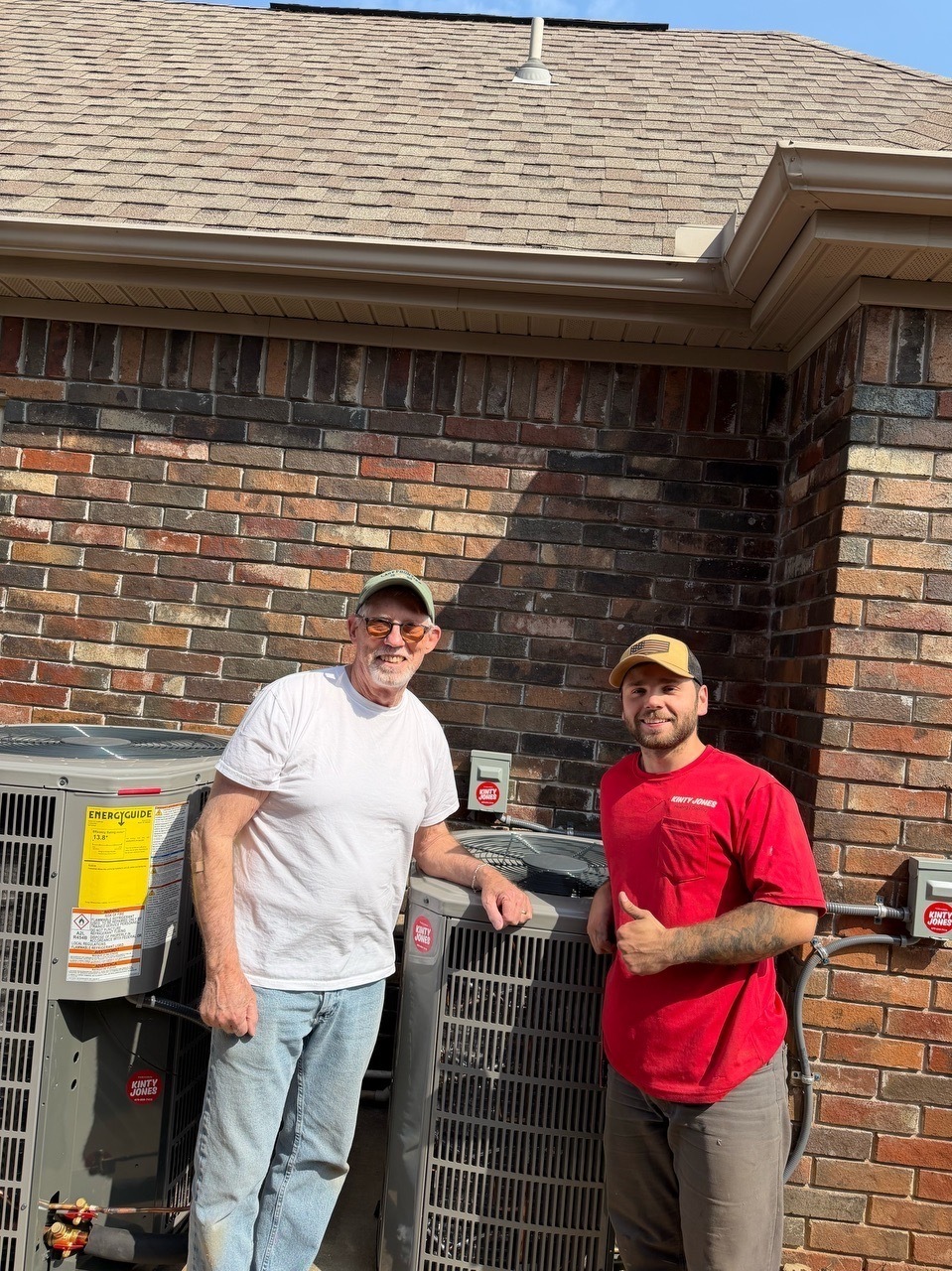
The first sign that something is off is usually subtle. The house holds an extra degree past the setpoint. The AC runs a little longer than it used to. A vent that always pushed strong air now feels weaker. None of it screams “broken.” All of it points to something worth paying attention to before it becomes a midnight emergency.
Residential HVAC repair services in Rogers, Arkansas cover a wide range of failures, from quick fixes that cost less than a tank of gas to compressor replacements that can run into thousands of dollars. The difference between those two outcomes is usually how early the warning signs got caught and how accurate the diagnosis was when the technician arrived.
In this article, we cover:
- The system is running, but the house still feels behind
- Small noises and short cycles usually mean something is changing
- Rogers humidity can make a repair problem feel worse
- The repair decision changes when the same problem keeps coming back
- Good HVAC repair starts with testing, not swapping parts
Keep reading to learn the most common cooling problems homeowners in Rogers run into, what the early warning signs actually mean, and how a proper repair process should look before any parts are quoted.
The system is running, but the house still feels behind
This is the most common opening complaint in a service call. The AC is not silent. The outdoor unit is humming. The blower is pushing air. But the home keeps creeping up toward 76, 77, 78, and the thermostat never gets satisfied. The instinct is to assume the equipment is dying. In most cases, it is something less expensive than that.
Weak cooling can start with airflow before the AC fully breaks
Before the equipment ever fails outright, a system in trouble starts moving less air. The blower may be coated in dust, the filter may be loaded past its useful life, or a duct connection in the attic may have pulled loose and started dumping cool air into the wrong place.
Signs that airflow is the early failure point:
- Vents that used to push noticeable air now feel weak or short on volume
- The supply temperature is cold, but the volume reaching the room is low
- The system runs much longer than it used to for the same outdoor conditions
- One or two specific rooms always lag behind the rest of the house
- The blower compartment has accumulated visible dust or debris
Air conditioners are tuned to move a specific volume of air through the system. When that volume drops, every aspect of performance drops with it. Cooling capacity falls. Dehumidification slows. The coil can flirt with freezing on long cycles. Caught at this stage, the fix is usually a thorough cleaning, a new filter, and possibly a duct cleaning and sealing pass to restore design airflow.
Left alone, marginal airflow turns into a frozen coil, a damaged compressor, or a system that simply gives up during the first 95-degree stretch of summer.
Long run times often point to a system struggling under summer heat
A Rogers home that ran 15-minute cooling cycles in May and now runs 45-minute cycles in July is telling the homeowner something. Some increase is normal as outdoor temperatures climb. A dramatic increase is not.
Causes of dramatically longer run times include:
- A refrigerant charge that has dropped below design due to a slow leak
- A condenser coil partially blocked by cottonwood fluff, grass clippings, or pollen
- A capacitor that has weakened, reducing compressor output
- Duct leakage in a hot attic that is wasting 20 to 30 percent of cooling capacity
- Equipment that is genuinely undersized for the home as it is used today
According to ENERGY STAR guidance on heating and cooling, nearly half of the energy used in a typical home goes to heating and cooling, which means small drops in efficiency translate quickly into noticeable energy bill increases. A system running 50 percent longer cycles to deliver the same comfort is using close to 50 percent more electricity to do so.
Catching this pattern early, ideally with an annual tune-up, almost always identifies the cause before it becomes a system-wide failure.
Warm rooms may reveal duct trouble instead of equipment failure
When one or two rooms stay warm while the rest of the house feels normal, the AC is not the issue. The system is producing cool air. The duct serving the warm rooms is failing to deliver it.
The fix path for room-specific complaints almost always lives in the distribution:
- A flex duct in the attic has kinked, sagged, or been crushed under stored items
- A supply boot has pulled away from the drywall, leaking cool air into the wall cavity
- A damper inside the duct was closed and never reopened after a previous service call
- A branch was added during a remodel without proper sizing for the new load
- Return air to the room is blocked, building pressure that chokes incoming supply
A homeowner who replaces the AC because of a single warm room is replacing the wrong component. The new system will still struggle with the same room because the actual restriction is in the ducts, not the equipment. A targeted HVAC repair service that measures airflow at each register quickly separates duct issues from equipment issues and points the repair toward the right fix.
Small noises and short cycles usually mean something is changing
HVAC systems make consistent sounds when they are working properly. A steady hum from the outdoor unit, a smooth start from the blower, a gentle whoosh from the supply vents. When those sounds change, something inside the system is changing too, and the homeowner is being given a chance to act early.
Clicking outside can point to electrical parts wearing out
A sharp clicking sound from the outdoor unit, especially when the system tries to start, is one of the most common precursors to an electrical failure. The contactor, the capacitor, or the relay is having trouble making a clean connection. The click is the symptom of an electrical part struggling to do its job.
What that clicking can indicate:
- A failing contactor whose points are pitted or burned
- A weak run capacitor losing capacitance and unable to start the compressor smoothly
- A start capacitor that has failed entirely on a system that requires one
- Loose wire connections that are arcing during start attempts
- A control board with a failing relay starting to misbehave
These are inexpensive parts in the grand scheme of HVAC repair. A contactor or capacitor replacement is usually well under a few hundred dollars, and a technician with a multimeter can test both in under five minutes. Ignored, the same parts can cause the compressor to fail to start under load, draw excessive current, or experience the slugging and overheating that lead to compressor replacement.
A click is the system saying “fix me now while I am still cheap.” A homeowner who pays attention to that sound is the homeowner who avoids the bigger bill.
Short cycling can strain the compressor faster than homeowners expect
Short cycling is when the AC turns on, runs for a few minutes, shuts off, and starts again shortly after. The home never gets comfortable because the system never runs long enough to actually move heat out. The compressor and motors take all the wear of starting and stopping without delivering the comfort the homeowner needs.
Causes of short cycling in Rogers homes include:
- A thermostat located in a spot that gets blasted by cool supply air
- A failed capacitor that lets the compressor start but not sustain operation
- An oversized system that satisfies the thermostat before properly cooling the house
- A refrigerant charge issue (high or low) creating pressure problems
- A clogged condensate drain triggering a safety float switch repeatedly
According to ENERGY STAR research on cooling equipment, one-third to one-half of home air conditioners do not work the way they should because they are oversized, and short cycling is one of the most direct symptoms of that mismatch. Oversized equipment satisfies the temperature setpoint quickly but never runs long enough to dehumidify, balance airflow, or perform efficiently.
Repeated short cycling shortens compressor life dramatically. A system designed to start and stop 4 to 6 times per hour is being asked to start and stop 15 to 20 times per hour. The repair often involves more than one component, and catching it early matters.
A buzzing unit should not be ignored during peak cooling season
A continuous buzzing sound from the outdoor unit usually means the compressor is trying to start but cannot complete the start cycle. The motor is energized, drawing current, but the rotor will not turn. This condition cannot be allowed to continue.
What buzzing typically points to:
- A failed start capacitor preventing the compressor from spinning up
- A seized compressor that has reached the end of its mechanical life
- A locked rotor condition that may or may not clear with a proper start
- A failing contactor that is partially making contact but not fully closing
- Excessive head pressure preventing the compressor from starting against load
A homeowner who hears a buzzing outdoor unit should turn the system off at the thermostat and call for service immediately. Running a compressor in a stalled state for even a few minutes can burn out windings and turn what might have been a $200 capacitor repair into a several-thousand-dollar compressor replacement.
Rogers humidity can make a repair problem feel worse
Rogers summers combine heat with significant humidity. That combination affects how cooling problems present, and it can make a routine repair feel like a much bigger system failure. Reading the symptoms correctly requires understanding the humidity layer underneath them.
Sticky rooms may mean the system is cooling without dehumidifying well
When the AC removes heat but does not remove enough moisture, the house can hit the temperature setpoint and still feel uncomfortable. The body’s natural cooling system depends on evaporation from the skin, and that evaporation slows dramatically when the air is already saturated with moisture.
Signs that dehumidification has fallen behind:
- The thermostat reads the right temperature but the room feels heavier than it should
- Wood floors feel cool and slightly tacky underfoot
- Towels and washcloths take much longer than usual to dry
- Cold drinks bead heavily within minutes of being set out
- Bathroom doors swell and stick during the most humid weeks
This is a latent cooling problem, not a sensible cooling problem. The fix usually involves verifying that the blower speed is set correctly for cooling mode, checking that the system is not short cycling, and confirming that the home’s humidity control approach is actually engaging during the right conditions.
Oversized equipment can shut off before moisture drops
This is one of the most overlooked causes of summer discomfort in Rogers homes. An air conditioner that is too large for the space hits the target temperature quickly and shuts off before it has run long enough to wring meaningful moisture out of the air. The thermostat is satisfied. The body still feels muggy.
Why oversizing happens more often than people realize:
- Original load calculations assumed worst-case afternoon heat, not typical conditions
- A previous contractor “upsized” thinking bigger meant better cooling
- Home improvements like new windows or added insulation reduced the actual load without anyone resizing the equipment
- A heat pump was sized for heating demand and runs oversized in cooling mode
- The original installer used rules of thumb instead of a proper Manual J calculation
The fix here is not always replacement. A properly tuned system with appropriate blower speed settings can pull humidity down even with marginal sizing, as long as run times are long enough. Variable-speed equipment can also help by delivering longer, gentler cycles that prioritize moisture removal.
Drain problems can show up as musty air near the vents
The condensate drain is one of the most overlooked components in a residential HVAC system. Every gallon of water the AC pulls out of the air during cooling has to go somewhere. When the drain line backs up, that water sits in the pan, and biological growth follows quickly.
A faintly musty smell when the system first kicks on is one of the earliest signals:
- Standing water in the drain pan starting to develop mildew or algae
- A drain line that is partially clogged with biological buildup
- A trap that has dried out and is letting sewer-like odors enter the system
- An evaporator coil with dust accumulation that has become a growth surface
- Duct insulation near the air handler that has gotten wet and not fully dried
Resolved early, this is a flush of the drain line, a vacuum of the pan, and possibly a coil cleaning during a routine maintenance visit. Left for a season or two, the same condition can turn into a full coil cleaning, drain pan replacement, and indoor air quality remediation.
The repair decision changes when the same problem keeps coming back
A first-time repair is straightforward. The system has a specific issue, the technician fixes it, and the home is comfortable again. When the same problem returns within months, the conversation changes. The repair was not really a repair. It was a delay.
Repeated refrigerant calls usually mean a leak needs to be found
Refrigerant does not get used up like fuel. It circulates in a sealed loop. If a system has been “topped off” once, twice, or three times in recent years, the refrigerant is escaping somewhere, and that leak is still there.
A proper refrigerant leak repair involves:
- Locating the leak using electronic detectors, UV dye, or pressure testing
- Repairing or replacing the leaking component
- Pressure testing the system to confirm the seal holds
- Evacuating the system to remove moisture and air
- Recharging by weight to the manufacturer’s specification
Adding refrigerant without finding the leak is increasingly expensive, especially on older systems still using R-22. Every top-off costs more as supplies tighten, and the underlying problem grows over time. Refrigerant handling is also federally regulated. Section 608 certification is required for anyone purchasing or handling refrigerant in stationary appliances, and a technician who is willing to “just top it off” without proper testing is offering a shortcut, not a repair.
Older systems can make minor repairs feel less minor
When a system passes the 12 to 15-year mark, the math on repairs changes. Components that share a similar lifespan start failing in sequence. A capacitor this year, a contactor next year, then a fan motor, then a coil. Each individual repair feels reasonable. The total over 3 years can approach the cost of a new system.
According to ENERGY STAR guidance, HVAC equipment that is more than 10 years old or not keeping the house comfortable should be evaluated by a professional, and replacing aging equipment with ENERGY STAR certified units can deliver meaningful annual energy savings on top of better comfort.
Signs that a system is approaching the repair-versus-replace conversation:
- Three or more service calls within the past 24 months
- A refrigerant type (R-22) that is no longer manufactured
- Visible corrosion on the coil, lineset, or refrigerant connections
- Increasing energy bills despite no changes in usage patterns
- A capacity that no longer keeps up with the home on hot afternoons
This is not a pressure conversation. It is a math conversation, and the homeowner deserves the numbers in writing before deciding.
A trusted technician should explain when replacement is worth discussing
The difference between a good HVAC repair service and a great one is often the willingness to have an honest conversation about when not to repair. A technician who pushes new equipment on every call is selling, not advising. One who pushes repair on a 17-year-old system with a failed compressor is also not advising.
What a useful replacement conversation should include:
- The repair cost versus estimated remaining life of the system after repair
- Energy efficiency gains from current equipment versus the existing unit
- Available rebates, financing, and incentives that change the total cost picture
- An honest assessment of probable repairs in the next 1 to 3 years on the existing system
- The cost of inaction versus the cost of proactive replacement
A homeowner should be able to walk away from the conversation with a clear picture of both paths and the numbers behind them, with no pressure to decide on the spot.
Good HVAC repair starts with testing, not swapping parts
The fastest path to a permanent fix is accurate diagnosis. A technician who arrives with a clipboard, takes measurements, and writes down readings is doing the work that produces lasting results. One who arrives with a parts truck and starts swapping components is often guessing.
Temperature split checks show whether the system is actually cooling
The temperature split is the difference between the return air entering the system and the supply air leaving it. A properly running residential AC produces a split of roughly 18 to 22 degrees Fahrenheit. A split below that range indicates a problem; a split well above it can indicate another.
What different split readings can mean:
- A split below 14 degrees: low refrigerant, dirty coil, or low airflow
- A split between 18 and 22: normal operation under typical conditions
- A split above 22: high refrigerant, low airflow, or extremely dry indoor air
This single measurement, taken at the air handler with calibrated thermometers, tells the technician more about the system’s actual state than any visual inspection can. A good diagnostic visit starts with this reading.
Static pressure readings can reveal hidden airflow restrictions
Static pressure is the resistance the blower has to push against to move air through the duct system. Every residential system has a manufacturer-specified maximum, usually around 0.5 inches of water column. When the system is operating above that threshold, it is fighting too much restriction, and airflow drops accordingly.
What high static pressure indicates:
- The blower is working harder than designed, using more energy
- Total airflow has dropped below the cooling coil’s requirements
- The coil may freeze during extended cycles, especially on humid days
- Blower motor lifespan is being shortened by the additional load
- Comfort suffers because each room receives less air than the design called for
A technician with a manometer can take this reading in five minutes and learn whether the system is breathing freely or fighting for air. That single number often points to specific repairs (filter change, duct seal, return air upgrade) that solve multiple symptoms at once.
Electrical testing helps separate a failed part from a failing system
When the system trips a breaker, refuses to start, or cycles unexpectedly, electrical testing identifies whether the issue is a single failed part or a deeper system problem. A multimeter, an amp clamp, and a capacitor tester give a technician the readings needed to make that call accurately.
What proper electrical testing covers:
- Capacitor microfarad readings tested against the rating stamped on the side
- Contactor voltage and amperage measurements across the contacts
- Compressor starting amperage and running amperage compared to nameplate
- Blower motor amp draw verified against the equipment specification
- Wiring continuity and resistance checks at major connections
When the readings show a single component out of spec while everything else tests normal, the repair is targeted, fast, and inexpensive. When multiple readings are off, the conversation shifts toward a broader system evaluation. Either way, the decision is grounded in measurements rather than guesses, and the homeowner pays for what they actually need.
Conclusion
Residential HVAC repair in Rogers, Arkansas is most expensive when it is done reactively after a breakdown and most affordable when it is done early, at the first signs that something has changed. The system gives plenty of warning before it actually fails. Catching the warning is what separates a $200 service call from a $3,000 emergency.
Most repairs in Rogers homes come back to a handful of root causes. Dirty filters and coils. Failing capacitors and contactors. Refrigerant leaks. Duct problems in hot attics. Drain line blockages.
Oversized or aging equipment that no longer matches the home. Each one has a real fix that, when caught early, costs less than the comfort it restores.
The homeowners who get the most life out of their HVAC equipment are the ones who treat the early signs seriously, ask for measurements when something feels off, and work with a technician who explains the numbers behind every recommendation. A clipboard and a multimeter solve more problems than a parts truck does.
When the cooling falls behind, the vents weaken, or the system starts making sounds it never made before, Kinty Jones provides full HVAC diagnostics and repair services across Rogers and Northwest Arkansas. Request a service visit today and get the real numbers behind what is happening inside your system.