The thermostat reads 73. The system is running. The vents are pushing air. But something inside the home does not feel right. A faint stale quality to the air. A musty edge near certain vents. A heaviness in bedrooms that lifts the moment a window opens. The temperature is correct. The air itself is the problem.
Ventilation and indoor air quality solutions in Owasso, Oklahoma matter more than most homeowners realize because the air inside a modern home is rarely as fresh as the air outside it. Tighter construction, more synthetic materials, more time spent indoors, and HVAC systems designed to recirculate the same air all combine to create conditions where comfort fails even when temperature is exactly right.
In this article, we cover:
- The air feels stale even when the HVAC system is running
- Better airflow does not always mean stronger airflow
- Owasso humidity can make indoor air feel heavier than it should
- Air quality fixes should match what is actually in the home
- Comfort improves when ventilation, filtration, and HVAC performance work together
Keep reading to learn what creates stale and heavy indoor air, how ventilation and filtration actually work together, and what a real comfort visit should examine before recommending any indoor air quality products.
The air feels stale even when the HVAC system is running
This is one of the most common but least diagnosed comfort complaints. The system runs. The temperature is right. But the air feels old, the way a closed-up vacation home feels after a long absence. Something in the home is producing or trapping pollutants, and the ventilation is not removing them fast enough.
Poor ventilation can make clean-looking rooms feel uncomfortable
A home can be visually clean and still have poor indoor air. The air does not have to be visibly dirty to feel stale. The accumulation of normal household sources (cooking, cleaning, body odor, off-gassing from furniture, pet dander) builds up over time when there is not enough outdoor air exchange to dilute and remove what people produce.
According to the U.S. Environmental Protection Agency, Americans spend about 90 percent of their time indoors, and indoor air can be worse than outdoor air because of pollutant sources inside the home. The combination of constant exposure and poor exchange is what produces the stale feeling.
What that stale feeling usually means in a Owasso home:
- Air exchange rates have dropped below ASHRAE recommended minimums
- The HVAC system is recirculating the same air without adding fresh outdoor air
- Bathroom and kitchen exhaust fans are not running long enough or not venting outdoors
- Doors and windows stay closed for long stretches during heat and cold seasons
- Indoor pollutant sources are producing more than the ventilation can remove
The fix is not a stronger blower. The fix is more outdoor air entering the home in a controlled, intentional way.
Odors that linger often point to air that is not being replaced
In a well-ventilated home, cooking smells fade within an hour. The smell of cleaning products dissipates by morning. A pet’s lingering scent does not register because it is being constantly removed and replaced. When odors persist far longer than they used to, the home is telling the homeowner that air is recirculating without refreshing.
Patterns that point to inadequate ventilation:
- Cooking smells from dinner are still detectable at breakfast
- Cleaning products take all day to fade after morning cleaning
- A specific room (often a closed-up bedroom) smells noticeably different from the rest of the home
- New furniture or carpet keeps its “new” smell for weeks rather than days
- Pet odors are obvious to visitors even though they fade for occupants
These signals are usually accumulated effects of multiple sources combined with poor air exchange. The solution involves both reducing the sources and improving the rate at which fresh outdoor air enters the home.
Closed-up homes can trap moisture, dust, and everyday pollutants
Owasso summers and winters both push homeowners to keep the home tightly closed. Summer heat means windows stay shut to preserve AC efficiency. Winter cold means the same. The result is a home that may only have meaningful outdoor air exchange during the brief spring and fall windows when windows are open.
What gets trapped inside a closed-up home:
- Moisture from cooking, showering, breathing, and indoor plants
- Particulate matter from carpets, fabrics, and pet dander
- Volatile organic compounds (VOCs) from furniture, paint, cleaners, and adhesives
- Carbon dioxide from normal respiration in occupied rooms
- Combustion byproducts from gas stoves and fireplaces
According to the U.S. Environmental Protection Agency’s introduction to indoor air quality, inadequate ventilation can increase indoor pollutant levels by not bringing in enough outdoor air to dilute emissions from indoor sources and by not carrying indoor air pollutants out of the area. High temperature and humidity can compound those concentrations further.
The first real step toward better indoor air is increasing controlled outdoor air exchange, often through improved ventilation systems or balanced fresh air intakes that work with the existing HVAC equipment.
Better airflow does not always mean stronger airflow
Many homeowners assume that more powerful air movement equals better indoor air. In reality, moving more of the same dirty air just spreads the problem faster. Real air quality improvement requires understanding what is being moved, where it comes from, and whether it is being filtered or refreshed along the way.
Moving dirty air faster can spread the problem through the house
Cranking up the fan setting on the thermostat or installing a more aggressive blower can actually make air quality issues worse if the underlying source has not been addressed. A bedroom that was just musty becomes a hallway that smells musty too. A kitchen that just held cooking smells now feeds those smells into the entire main floor.
What aggressive air movement does without filtration improvements:
- Distributes particles from one source area throughout the entire home
- Stirs up settled dust from carpets, drapes, and upholstery
- Spreads humidity from kitchen or bathroom into the main living areas
- Carries pet dander from one zone of the home into bedrooms
- Increases the load on filters and equipment without solving the source
Source control and outdoor air dilution come before fan speed and air movement. A technician who recommends “running the fan more” without examining the rest of the system is treating a symptom, not a cause.
Return air problems can leave some rooms feeling stuffy
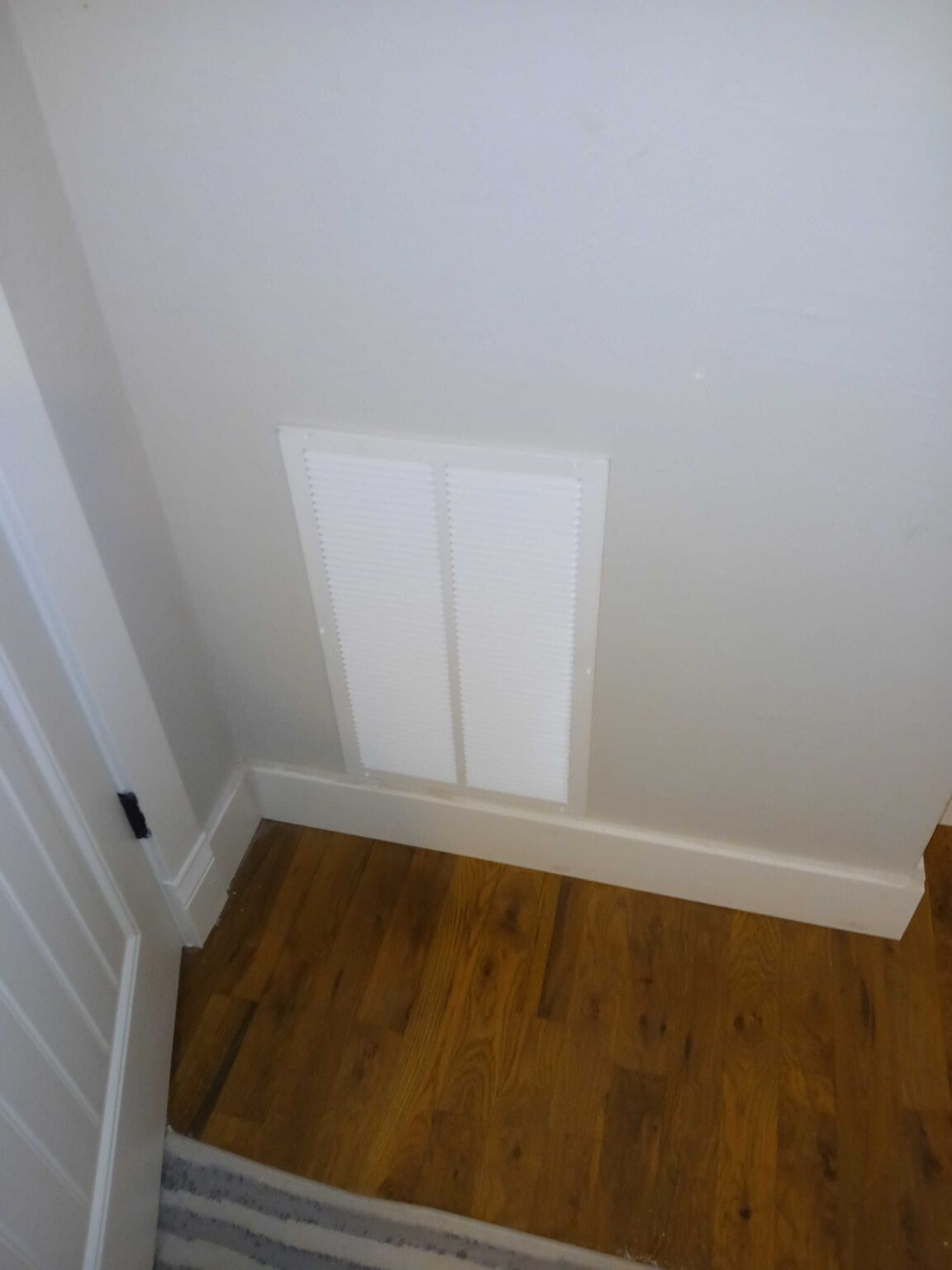
The return air path is the half of the system that takes warm or stale air back to the equipment to be cooled and filtered. When that path is restricted or undersized, the rooms farthest from the return start feeling stuffy and heavy. Air is coming in through the supply vents, but it has nowhere to go.
Signs of return air problems:
- Bedrooms feel stuffier than the rest of the home, especially with doors closed
- A specific zone of the house always feels heavier than other zones
- Closing doors significantly reduces airflow into rooms
- A whoosh of air can be felt under bedroom doors when the system kicks on
- Air pressure differences between rooms produce small breezes when doors close
Restoring return air balance is often the single highest-impact change a homeowner can make for air quality. Transfer grilles above doors, jumper ducts between bedrooms and hallway returns, or dedicated returns in problem rooms all give the air a clear path back to the system. Once the return path is fixed, supply air actually reaches every room as designed.
Duct leaks can pull dusty attic or crawlspace air indoors
Most Owasso homes have ductwork running through attics or crawlspaces. When the return-side ductwork leaks, the system pulls air directly from those spaces into the home. Attics are full of insulation fibers, dust, and pest debris. Crawlspaces are full of moisture, mold spores, and ground contaminants.
What return-side duct leaks bring into a home:
- Dust and insulation particles from attic spaces
- Mold spores from damp crawlspace areas
- Pest droppings and debris from animal activity
- Chemical residues from stored items in those spaces
- High humidity from unconditioned environments
A homeowner can feel the result of this without knowing the cause. The air gets dustier. Allergies flare up despite cleaning. New filters get dirty faster. The system seems to make the air worse rather than better. Sealing return-side duct connections, particularly at the equipment closet and at register boots, often cuts the dust load in the home dramatically.
Owasso humidity can make indoor air feel heavier than it should
Heat is only half of what makes Owasso summers uncomfortable. The other half is humidity, and indoor humidity is closely tied to indoor air quality. When moisture levels rise inside the home, the air itself starts feeling heavier, mustier, and less comfortable, even when temperature is correct.
High moisture can make normal temperatures feel warmer
A house at 73 degrees with 65 percent humidity feels like a different house at 73 degrees with 45 percent humidity. The body’s ability to cool through evaporation slows dramatically in humid air, which means warmth lingers on the skin longer and the room never feels quite right.
Signs that indoor humidity is part of the problem:
- The thermostat reads correctly but rooms feel warmer
- Wood floors feel slightly cool and tacky underfoot
- Bedding feels heavier and slightly damp at night
- Bathrooms take much longer than usual to dry after use
- Doors and drawers swell and stick during humid weeks
EPA guidance recommends keeping indoor humidity between 30 and 50 percent to prevent mold growth and maintain comfort. In Owasso, indoor humidity routinely climbs above 60 percent during summer in homes without active moisture management, particularly when the AC is running but not dehumidifying effectively.
A humidity control assessment often identifies issues that no temperature adjustment will fix.
Musty smells near vents may come from drainage or coil issues
A faint musty smell when the system first kicks on is one of the most common indoor air quality complaints in Owasso homes. The smell typically originates inside the HVAC system itself, where moisture accumulates and biological growth follows.
Common sources of musty smells from vents:
- Standing water in the condensate drain pan after a partial clog
- Biological growth on the evaporator coil from extended moisture contact
- Saturated insulation around the air handler or in the first feet of supply ductwork
- Dust accumulation on damp coil surfaces creating a growth medium
- A dried-out condensate trap allowing sewer-like odors to enter the system
The fix is straightforward but easy to overlook. Flushing the drain line, cleaning the drain pan, washing the coil, and addressing any damp insulation removes both the smell and its source. Without these steps, even the most aggressive air freshener treatment will not work because the problem keeps regenerating inside the system.
A routine maintenance visit addresses these conditions before they grow into complaints. Skipping that visit lets minor moisture issues turn into chronic odors.
Whole-home dehumidification can help when the AC cannot keep up
Air conditioners dehumidify as part of their cooling process, but they only dehumidify when they are running. On mild Owasso days when the AC barely cycles, humidity climbs even though the temperature stays acceptable. The home gets sticky during shoulder seasons when there is little cooling demand to drive moisture removal.
Whole-home dehumidifiers work as a separate piece of equipment that runs independently of the cooling system. They:
- Operate on demand based on humidity, not temperature
- Pull moisture out during mild days when the AC is idle
- Help the cooling system maintain comfort by reducing latent load
- Reduce the conditions that lead to mold, dust mites, and musty odors
- Allow the homeowner to raise the thermostat without sacrificing comfort
For Owasso homes that have persistent humidity issues even after the cooling system is properly tuned, a whole-home dehumidifier is often the missing piece. It pairs with the existing AC rather than replacing it, and it works during the seasons when the AC alone cannot deliver moisture control.
Air quality fixes should match what is actually in the home
There is no single air quality product that fixes every home’s situation. A filtration upgrade that works wonders in one home does nothing in another because the actual problem is different. Real air quality solutions start with identifying what is actually in the air, not with installing the most heavily marketed device.
Filtration helps dust, but it will not solve poor ventilation alone
A higher-MERV filter or a more advanced filtration system can dramatically reduce particulate matter in the home. Dust accumulates more slowly. Allergies improve. Air feels cleaner. But filtration alone cannot solve a ventilation problem, because no filter removes carbon dioxide, off-gassed VOCs, or accumulated humidity.
What filtration does well:
- Captures dust, pollen, and pet dander from circulating air
- Reduces particles that contribute to allergy and asthma symptoms
- Protects the HVAC equipment from internal contamination
- Improves the visual cleanliness of vents, registers, and surfaces
- Reduces the airborne particulates that settle as dust throughout the home
What filtration cannot do:
- Replace stale air with fresh outdoor air
- Remove gaseous pollutants and odors from cooking, cleaning, or off-gassing
- Reduce carbon dioxide buildup from normal respiration
- Address humidity issues that contribute to comfort and mold
- Fix duct leakage that pulls contaminated air into the system
The right filtration choice depends on what the home actually needs, and choosing the wrong filter can create new problems (such as restricting airflow to the point of system damage). A proper filtration upgrade conversation starts with measuring the system before changing the filter.
UV lights and air purifiers need the right placement to matter
Indoor air quality products like UV lights, ionization systems, and inline air purifiers can produce real benefits when installed correctly and matched to the home’s actual needs. They can also produce no measurable benefit when installed poorly or used to treat the wrong problem.
What matters for these products to actually work:
- UV lights need to be positioned to actually irradiate the coil or air stream
- Whole-home air purifiers need to be sized to the equipment’s airflow
- Standalone room air purifiers need to be sized to the room’s volume
- Filtration upgrades need to match the equipment’s static pressure tolerance
- Indoor air quality products work best as part of a system, not a single fix
A homeowner who is sold a UV light without a discussion of where it will be installed and what it will treat is being sold a product, not a solution. A real conversation about indoor air quality starts with measurements and ends with targeted product recommendations.
Homes with pets, allergies, or remodeling dust need different checks
A home with multiple pets has different air quality needs than a home without any. A home occupied by someone with asthma has different filtration requirements than a home with no respiratory sensitivity. A home in the middle of a remodel has different temporary needs than a settled home.
Patterns that change the right air quality approach:
- Multiple pets, especially shedding breeds, increase dander and require more frequent filter changes
- Allergy or asthma occupants benefit from higher-MERV filtration with system static pressure verified
- Remodeling activity introduces construction dust that warrants temporary filtration upgrades
- New furniture or flooring releases VOCs that benefit from increased ventilation for several weeks
- Homes with smokers need both filtration and aggressive ventilation strategies
The right air quality plan reflects the home and the people living in it, not a one-size-fits-all package. A comfort visit that includes questions about occupants, activities, and sensitivities produces better recommendations than a product-first sales pitch.
Comfort improves when ventilation, filtration, and HVAC performance work together
The best indoor air quality outcomes come from systems where ventilation, filtration, humidity control, and HVAC performance all work together. A weakness in any one of those areas undermines the others, which is why a single-product fix rarely produces lasting results.
A technician should check airflow before recommending indoor air products
Indoor air quality products only work when the air is actually flowing through them. A filter that the blower cannot pull air through is worse than the filter it replaced. A UV light installed on a system with poor airflow does not get the contact time it needs. An air purifier sized for the original equipment may be wrong for the system as it exists today.
What a thorough pre-product diagnostic should include:
- Static pressure readings to confirm the system can handle the proposed filter or device
- Airflow measurements at supply registers to identify any rooms below specification
- Return air verification to ensure the system is actually pulling enough air to filter
- Inspection of duct condition to identify any sealing or sizing issues
- Review of current filter type and replacement schedule
Without these baseline measurements, any product recommendation is a guess. With them, the recommendation is targeted to what will actually improve the home’s situation.
Fresh air solutions need to be balanced with humidity control
Bringing in more outdoor air improves indoor air quality, but in Owasso, that outdoor air is often humid. Adding unconditioned outdoor air without balancing it with humidity control can solve one problem (stale air) by creating another (sticky air).
A balanced fresh air strategy considers:
- The volume of outdoor air being added and its typical humidity level
- The capacity of the cooling system to dehumidify that additional air
- The use of dedicated dehumidification when outdoor humidity is high
- Heat recovery ventilators (HRV) or energy recovery ventilators (ERV) that temper incoming air
- The timing of fresh air intake (more during mild conditions, less during extremes)
A simple outside-air intake added to an existing system can solve ventilation problems on mild days while making humidity issues worse on hot, humid afternoons. Doing it well requires designing the ventilation to work alongside the cooling and humidity systems, not in conflict with them.
The right plan should make rooms feel cleaner without overworking the system
The right indoor air quality plan delivers noticeable improvement in how the home feels without sacrificing equipment life or comfort. Air feels fresher. Odors fade naturally. Allergy symptoms improve. Humidity stays in a comfortable range. The system runs efficiently without fighting added restrictions.
Signs of a well-designed indoor air quality plan:
- Reduced dust accumulation on surfaces and around supply vents
- Cooking and household smells dissipate within an hour or two
- Bedrooms feel fresh in the morning without opening windows
- Humidity stays in the 30 to 50 percent range across seasons
- Filter changes happen on a predictable schedule without surprises
- The system runs efficiently without unusual noise or extended cycles
Achieving this requires coordination, not just product purchases. A local HVAC service relationship that treats indoor air quality as an integrated system delivers better results than buying products one at a time.
Conclusion
Indoor air quality in an Owasso home is not a single problem with a single solution. It is the combined result of ventilation, filtration, humidity control, source management, and HVAC performance, all working together or all working against each other depending on how the system is set up.
Most indoor air quality complaints in Owasso trace back to a small set of root causes. Insufficient outdoor air exchange. Return air restrictions. Duct leaks pulling in contaminated air from attics and crawlspaces.
Humidity that the cooling system cannot manage alone. Coil and drain pan issues producing musty odors. Each of these has a real fix that involves the existing system rather than a single new product.
The homeowners who actually improve their indoor air over the long term are the ones who treat air quality as a system rather than a checklist. The right ventilation paired with the right filtration paired with the right humidity strategy paired with a well-maintained HVAC system produces a home where the air is genuinely fresh, comfortable, and healthy.
Done in pieces, the same investment produces uneven and frustrating results.
When the air in an Owasso home feels stale, heavy, or musty even though the system is running, Kinty Jones provides full ventilation, filtration, and indoor air quality assessments tailored to how the home actually performs. Request a service visit today and get a real measurement of what is happening to the air inside your home.