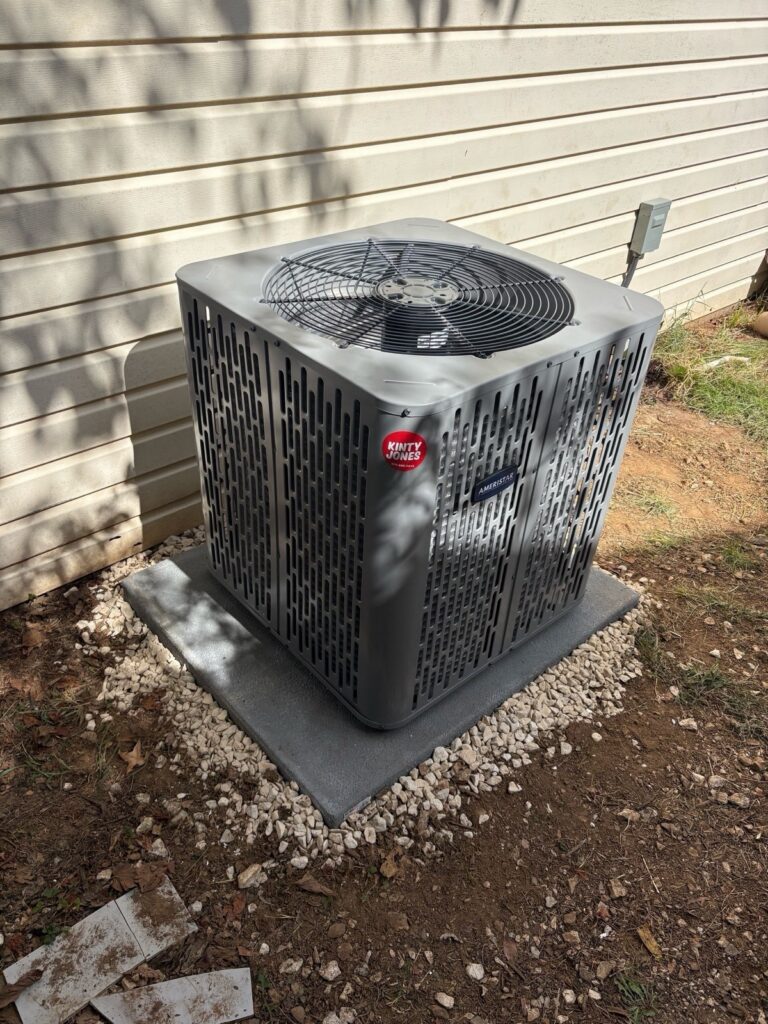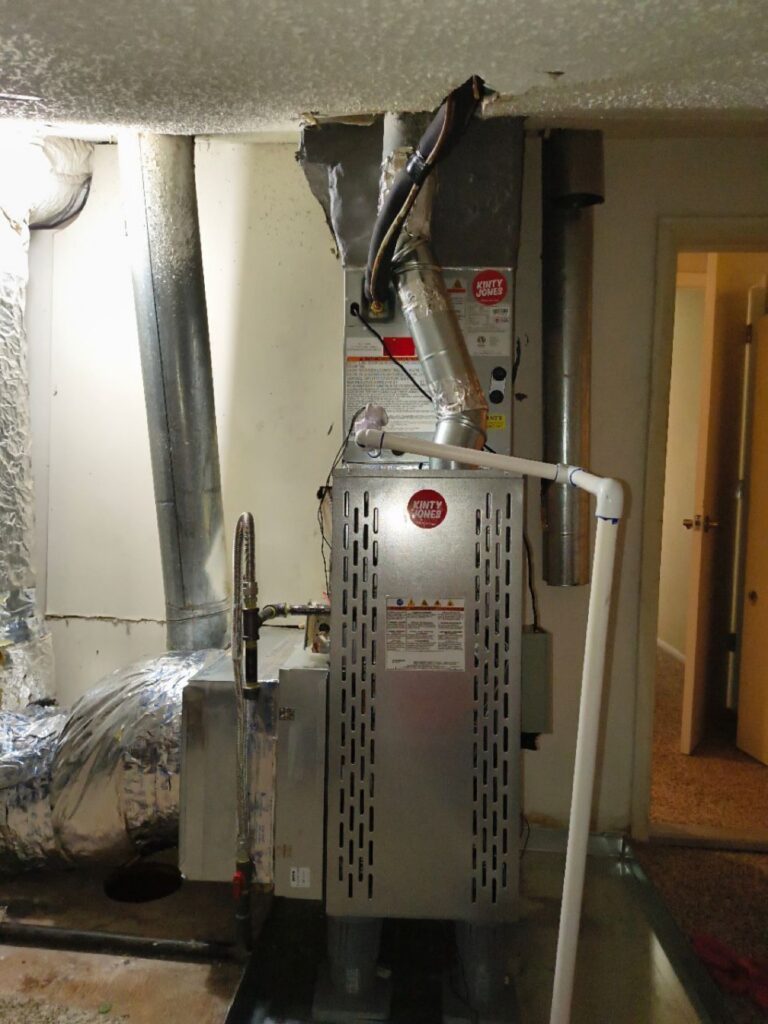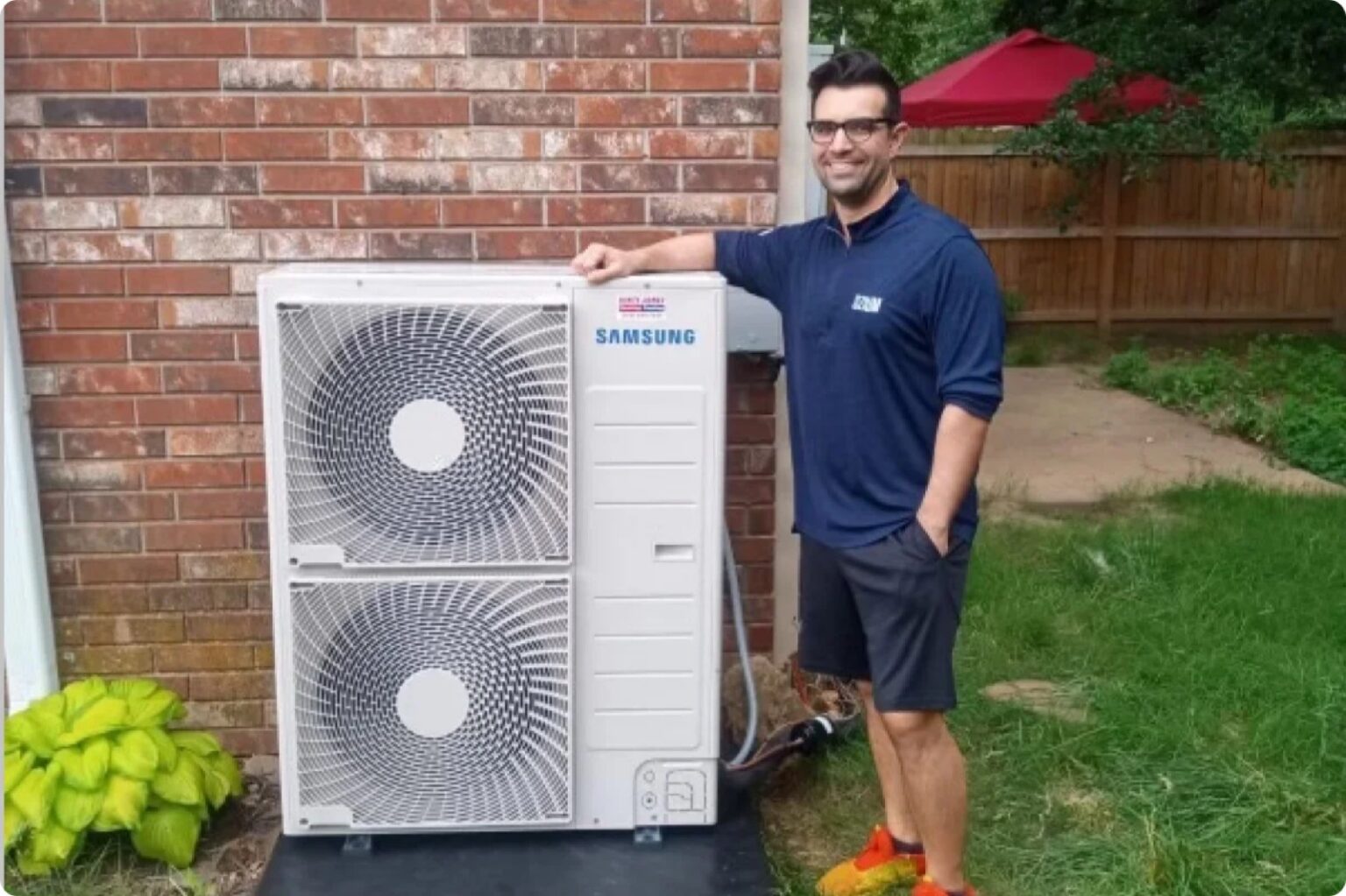
The warning signs your heat pump needs replacing in Rogers or Fayetteville usually show up as a pattern, not one dramatic final gasp. Rising energy use, frequent repairs, uneven comfort, strange operation, and an aging system all mean more when they appear together.
Fall is a smart time to pay attention. A heat pump has just finished a long Northwest Arkansas cooling season and is about to switch to heating duty. That shoulder season gives you room to diagnose the system and compare options before cold weather turns a planned decision into a hurried one.
Age alone does not make replacement automatic, and one odd noise does not write the unit’s obituary. KJHC evaluates current performance, repair history, and home comfort before recommending the practical next step.
Why fall is the right time to evaluate your heat pump
A heat pump works in both directions, moving heat out of the house in summer and bringing it in during winter. That year-round workload makes the move into fall a useful checkpoint. You can look back at summer comfort, test heating before it is urgently needed, and decide calmly. Nobody does their best comparison shopping while wearing three sweaters in the living room.
Cold can arrive quickly here. The National Weather Service’s Fayetteville frost record places the average first 32°F freeze on October 19. That first chilly night is often when a sluggish system, failed defrost part, or heavy reliance on backup heat first becomes obvious. A fall heating tune-up can show whether cleaning, adjustment, or a targeted repair restores normal performance.
The five warning signs that point toward replacement
Any one of these can have a repairable cause. Replacement becomes more reasonable when several overlap, especially on an older system with a growing repair history.
1. The heat pump is more than 10 years old
ENERGY STAR suggests homeowners consider replacement when a heat pump is more than 10 years old. Ten years is a decision point, not an expiration date. Age matters most when it arrives alongside higher energy use, declining comfort, hard-to-find parts, or repeated service calls.
2. Repairs are becoming a recurring event
One failed capacitor does not justify replacement. Several repairs in a short period, especially on major components, suggest reliability is heading the wrong way. Summer failures count too, because a heat pump uses the same compressor and refrigerant circuit in both seasons. Professional heating repair should fix the immediate fault and explain the broader condition of the unit.
3. Energy use climbs while comfort falls
A struggling heat pump may run longer to deliver less. Compare energy use for similar months, not just the dollar total, since rates and weather change. If runtime, backup heat use, or comfort complaints all rose together, the system deserves a closer look.
4. Some rooms never feel right anymore
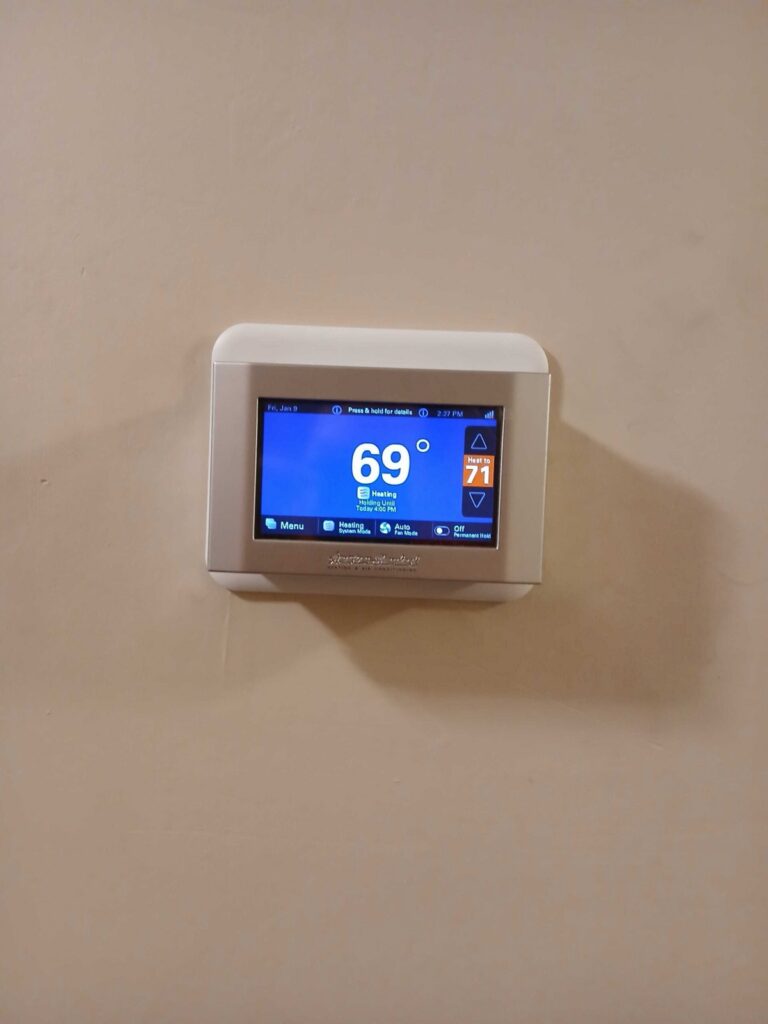
Uneven temperatures can point to lost capacity, weak airflow, control trouble, or a duct problem. The equipment is not always guilty. Closed dampers, dirty filters, and thermostat placement can cause similar symptoms, so thermostat problems and a ductwork evaluation should come before condemning the heat pump.
5. The system cycles, rattles, freezes, or leans on backup heat
Frequent starts and stops, new grinding or rattling, repeated icing, breaker trips, and constant auxiliary heat are not normal quirks. Some are repairable when caught early. Repeated or severe symptoms on an older unit can mean several parts are nearing the end together. If the unit freezes in summer, the causes behind AC icing in Fayetteville often overlap with heat pump airflow and refrigerant problems.
What a professional diagnosis should rule out first
A replacement recommendation should start with measurements, not a glance at the manufacture date. The technician should check:
- Thermostat settings, wiring, and heat calls
- Filter condition, blower operation, airflow, and static pressure
- Electrical connections, capacitors, contactors, and safety controls
- Refrigerant circuit, coil condition, defrost operation, and backup heat
Poor airflow can make a properly sized heat pump act like an undersized one, so the ducts and the house itself belong in the evaluation. Then compare repair and replacement on the same terms: the confirmed failure, the system’s age and condition, expected reliability, and any duct, electrical, or thermostat work. If you are also weighing a furnace, our post on signs your furnace needs replacing covers that side.
How to plan a replacement without rushing
Once replacement makes sense, the next job is choosing a system that fits the house. The old model number is useful background, but it should not be the whole sizing method. A complete proposal should cover heating and cooling load calculations, matched indoor and outdoor equipment, airflow, and thermostat, electrical, and backup heat needs.
SEER2 describes seasonal cooling efficiency and HSPF2 describes heating efficiency. Higher ratings can reduce energy use, but real results depend on sizing, ducts, and installation. Our guide to heat pump installation cost in Northwest Arkansas walks through what drives the price, and KJHC offers financing options for qualified customers.
Homeowners can start with our Rogers HVAC team or HVAC services in Fayetteville. Ongoing Kinty Club maintenance also makes performance trends easier to spot year to year.
Frequently asked questions
How long does a heat pump last in Northwest Arkansas?
It varies with maintenance, installation quality, and how hard the system works. ENERGY STAR suggests considering replacement after about 10 years, but a well-kept unit that still performs may have useful life left.
Is it better to repair or replace an old heat pump?
Compare the confirmed repair against the unit’s age, condition, and repair history. A modest repair on a sound system often makes sense. A major repair on an older unit with other worn parts usually deserves a replacement quote.
Why is my heat pump running constantly in the fall?
Long run times can come from a dirty filter, low refrigerant, airflow problems, or a system that has lost capacity. A technician can measure performance and tell you which one is behind it.
Should I replace my heat pump before winter?
If the system shows several warning signs, fall gives you time to compare options and schedule the work calmly. If it tests healthy, a tune-up and a watchful eye may be all it needs.
Dealing with an aging heat pump in Rogers or Fayetteville? Call Kinty Jones Heating and Cooling at (479) 899-7415.