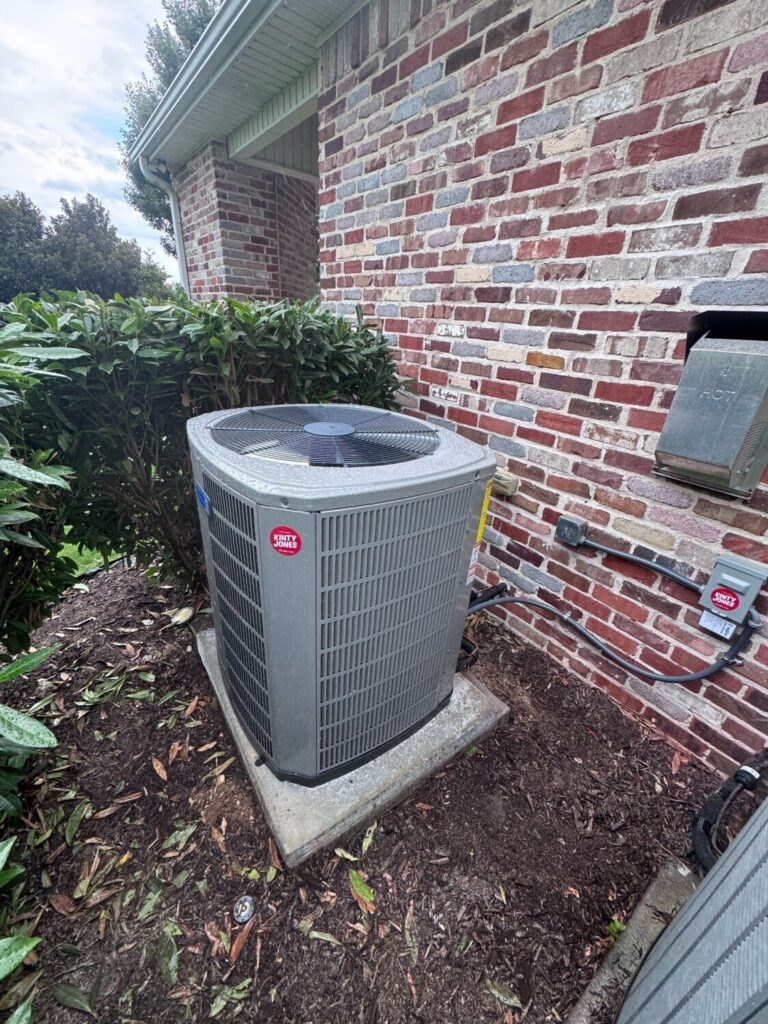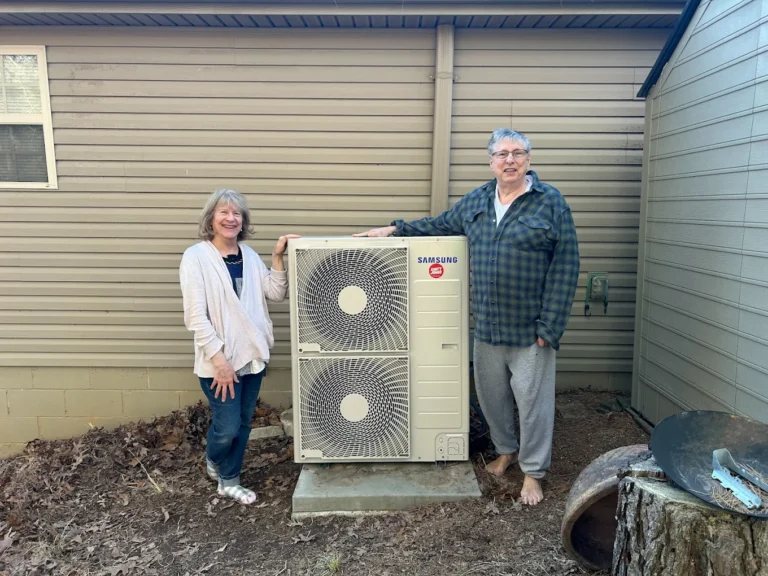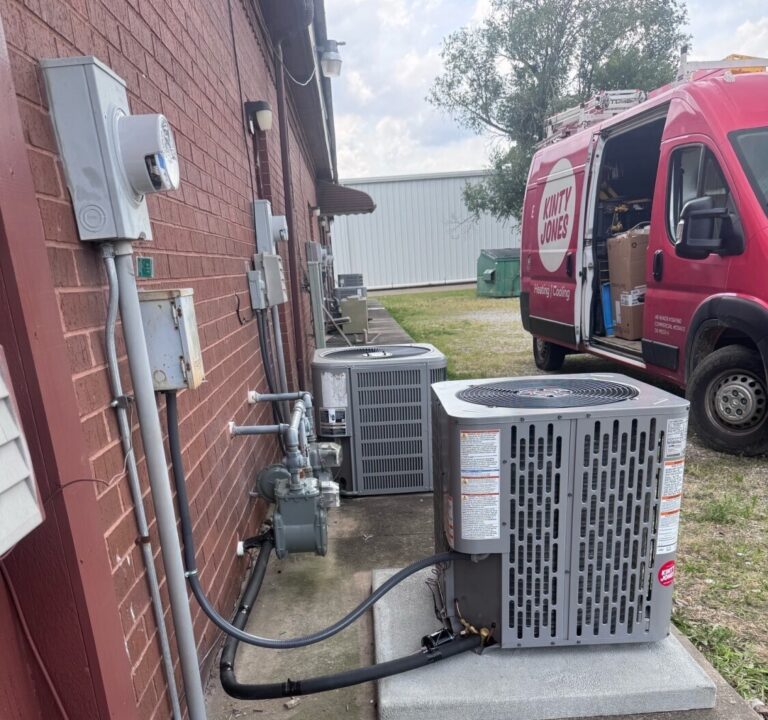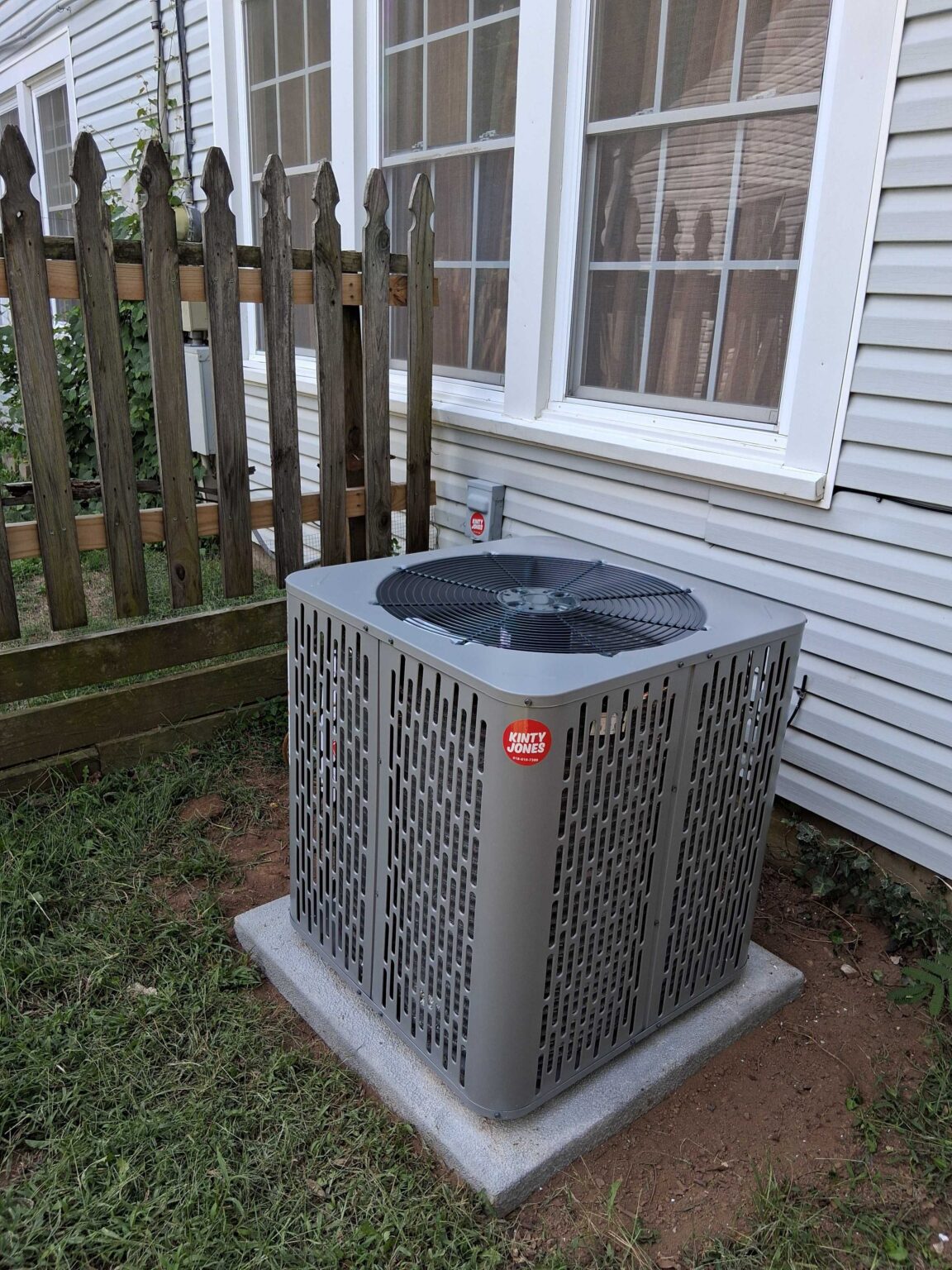
If you’re pricing out a heat pump for your home in Bentonville, Rogers, Fayetteville, Springdale, or Bella Vista, you already know the range online is all over the map. One site says $4,500. Another says $18,000. Neither one is lying, exactly, they’re just answering a different question than the one you’re asking.
Your actual number depends on the size of your home, the condition of your ductwork, the tonnage you need, and the efficiency tier you choose. Northwest Arkansas adds its own variables on top of that: our humid summers and cold snapping winters both push equipment harder than a mild climate would, and that changes what “right-sized” looks like for your house.
This guide walks through what heat pump installation actually costs in this market right now, what makes the price go up or down, and where the real savings are hiding. No inflated national averages, no guessing, just the kind of residential cooling repair and installation context you can actually use before you get a quote.
In this article, you will learn about:
- What drives heat pump installation cost in Northwest Arkansas
- The real price ranges by system type and home size
- How to tell if a lower quote is a good deal or a red flag
- Ways to lower your total cost without cutting corners
Keep reading to walk into your next quote knowing exactly what questions to ask and what a fair price actually looks like.
What actually drives the cost of a heat pump installation
Two homes on the same Bentonville street can get two very different quotes for what looks like the same job. That’s not a contractor padding one bill, it’s the underlying variables doing what they always do. Heat pump pricing is never really about the box on the wall, it’s about everything that has to happen around it.
Contractors price a heat pump job by pulling together a handful of separate cost centers: the equipment itself, the labor to remove your old system and install the new one, any ductwork changes, and the electrical work needed to support it. Skip any one of these steps and the system underperforms or fails early, so a legitimate quote accounts for all of them.
Homeowners often assume the compressor unit outside is most of the cost. In practice, labor and supporting work frequently make up close to half the total bill, especially on retrofits where your home wasn’t originally built around a heat pump.
Home size and the tonnage you actually need
Tonnage refers to how much heat a system can move per hour, not its physical weight. A 1,800 square foot home in Fayetteville and a 3,200 square foot home in Rogers are not going to need the same size unit, and pricing scales with tonnage almost directly.
An undersized unit runs constantly and still can’t keep up on the hottest July afternoons, the same hot spots problem that shows up when a system is simply too small for the space. An oversized one cycles on and off too fast, which wears out components early and leaves your home feeling clammy even when the temperature reads fine. Getting this number right the first time is worth more than any equipment upgrade.
A proper Manual J load calculation, not a rule-of-thumb guess based on square footage alone, is what determines the right size. That calculation factors in your home’s insulation, window count and orientation, ceiling height, and how many people typically occupy the space.
- Homes under 1,500 square feet typically need a 2 to 2.5 ton system
- Homes between 1,500 and 2,500 square feet often land in the 3 to 3.5 ton range
- Larger homes above 2,500 square feet may need 4 tons or a zoned, multi-unit approach
Getting the tonnage wrong in either direction costs you twice: once on the install itself, and again every month on a utility bill that never quite matches what you were promised.
Why zoning changes the math on larger homes
Larger or multi-story homes sometimes make more financial sense with two smaller units instead of one oversized system covering the whole house. Zoning lets you condition only the rooms in use, which can offset a higher upfront equipment cost through lower long-term operating costs.
System type: ducted, ductless, and heat pump water heaters
Not every heat pump project looks the same, and the type you need has more effect on price than almost any other factor. A standard ducted air-source heat pump, the kind that ties into your existing furnace ductwork, is the most common and typically the most cost-predictable option for homes that already have ducts in good shape.
Ductless cooling system installation skips ductwork entirely and mounts indoor units directly in the rooms you’re conditioning. They cost more per zone but avoid the expense of installing or repairing ducts, which makes them a strong option for additions, garage conversions, or older Springdale and Bella Vista homes with outdated duct runs.
- Ducted air-source systems: best fit when existing ductwork is sound and sized correctly
- Ductless mini-splits: best fit for additions, sunrooms, or homes without ductwork
- Multi-zone ductless setups: best fit for larger homes needing room-by-room control
Homeowners converting from a straight electric resistance system to a heat pump often see the biggest jump in day-to-day residential heating savings, since resistance heat is one of the least efficient ways to warm a home. That upfront cost difference tends to close faster than people expect once the lower monthly bills start showing up.
Ductwork condition and electrical readiness
If your existing ductwork was sized for a furnace and central air setup from decades ago, it may not move enough air for a modern heat pump to perform the way the spec sheet promises. Leaky, undersized, or poorly routed ducts force the system to work harder, and HVAC ventilation services that address airflow problems directly often make more difference than a bigger unit would.
Older Rogers and Bella Vista homes built before more modern electrical codes sometimes also need a panel upgrade to support a new heat pump, particularly for larger tonnage systems, variable speed HVAC blower motors, or units with electric backup heat strips.
According to the U.S. Department of Energy, an electrical panel upgrade tied to a broader efficiency project can qualify for a tax credit worth up to $600, which helps offset a cost that homeowners often don’t budget for going in. This isn’t universal, but it’s common enough in this market’s older housing stock that it’s worth asking about before you sign anything.
- A technician inspects your existing ductwork for leaks, damage, and sizing
- Your electrical panel is checked against the new system’s amperage requirements
- Any needed duct sealing, resizing, or panel work gets priced as its own line item
A quote that skips this inspection step entirely is one to be cautious of, since ductwork and electrical issues are exactly the kind of thing that turns a clean installation into a service call three months later.
What you can expect to actually pay in Northwest Arkansas
Enough about variables, here’s what those variables translate to in real dollars. National averages get thrown around constantly, but they blend together climate zones, labor markets, and housing stock that have nothing to do with a Bentonville or Fayetteville home. What follows is grounded in the categories that actually apply here.
According to ENERGY STAR, a federal program run by the U.S. Environmental Protection Agency and Department of Energy, qualifying air-source heat pump installations were eligible for a tax credit worth 30 percent of project cost up to $2,000 annually through the 2025 tax year, a program that materially shaped how homeowners across the country budgeted for these projects. That federal credit changed for installations placed in service after 2025, which makes it worth confirming current eligibility before you count on it in your own budget.
Ducted, standard-efficiency systems
A standard-efficiency cooling system installation replacing an existing furnace and AC setup, in a home with usable ductwork, is the most straightforward and typically the most affordable path. This is the category most Northwest Arkansas homeowners land in when replacing like-for-like equipment.
- Straightforward swap-outs with sound ductwork sit at the lower end of the market
- Adding zoning, a smart thermostat, or backup heat strips moves the price up incrementally
- Homes needing duct repair or resizing see the largest jump from this baseline
Because this category assumes your existing infrastructure does most of the work already, contractors can usually turn these jobs around faster, and the pricing tends to be more predictable across multiple quotes.
Ductless mini-split systems
Mini-splits price differently because you’re paying per zone rather than for one central unit. A single-zone system for a converted garage or bonus room costs less than a whole-home ducted retrofit, but adding multiple zones for a full-house ductless setup can end up costing more than a comparable ducted system once every room is accounted for.
- Single-zone systems are the most budget-friendly entry point into heat pump technology
- Multi-zone systems scale in cost with each additional indoor unit added
- No ductwork required means no hidden duct-repair costs down the line
For a Bella Vista or Fayetteville home with an addition that was never tied into the main HVAC system, a single-zone mini-split is often the more cost-effective fix than extending existing ductwork to reach it.
High-efficiency and cold-climate systems
Higher SEER2 and HSPF2 ratings cost more upfront but perform better in extreme conditions, both the humid Arkansas summers and the occasional deep cold snap that Northwest Arkansas winters still deliver. Cold-climate rated heat pumps are engineered to keep producing heat efficiently well below freezing, which matters as much for heating installation as it does for summer cooling performance here.
The premium for a higher efficiency tier isn’t just about comfort, it also affects utility bills every single month the system runs, the same humidity control months that make up most of the year in this climate.
How to know if a quote is fair, low, or a red flag
Once you have a number in hand, the harder question is what to do with it. A quote that comes in dramatically below everyone else’s isn’t always the deal it looks like, and one that comes in higher isn’t automatically padded. Here’s how to actually evaluate what you’re being handed.
The single biggest predictor of a bad outcome isn’t the price on the page, it’s what the price doesn’t include. A contractor who skips the load calculation, doesn’t mention your ductwork condition, or gives you a number without ever stepping inside your attic is pricing blind, and blind pricing tends to surface as change orders later.
Questions that separate a real quote from a guess
Before comparing dollar figures, compare what each contractor actually did to arrive at that figure. This matters more than the number itself.
- Did they perform a Manual J load calculation, or estimate tonnage from square footage alone?
- Did they physically inspect your ductwork, attic, and electrical panel?
- Does the quote itemize equipment, labor, and any electrical or duct work separately?
- Is the equipment brand and model number specified, or just a tonnage and SEER rating?
A contractor who can’t answer these clearly, or who rushes past them to get to the price, is giving you less information than you need to make a real comparison.
Reading between the lines on a low bid
A bid that comes in noticeably lower than others in Fayetteville or Rogers isn’t automatically a scam, but it deserves scrutiny before you sign. Sometimes it reflects a genuinely efficient operation. Other times it reflects a system that’s undersized for the home, a lower-tier compressor swapped in without disclosure, or labor and permitting corners being cut.
- Ask what specific equipment model is being quoted, then verify its actual retail price
- Confirm whether permits and inspections are included or billed separately later
- Check whether the warranty terms match what other quotes are offering
If a contractor can’t explain why their number is lower once you ask these questions directly, that gap usually isn’t good news for you six months down the road.
Comparing multiple quotes the right way
Getting three quotes only helps if you’re comparing the same scope of work across all of them. A quote for a bare-bones swap and a quote that includes duct sealing, a panel upgrade, and a smart thermostat are not the same project, even if they’re both labeled “heat pump installation.”
Line up each quote side by side before deciding on price alone. Look past the bottom-line number to what’s actually included.
- Confirm all three quotes are based on the same tonnage and efficiency tier
- Ask each contractor to itemize labor, equipment, and any electrical or duct work separately
- Compare warranty length and what it actually covers, not just that a warranty exists
A quote that looks like an outlier once you line up scope, tonnage, and warranty terms usually tells you more about what was left out than what was saved.
How to lower your total cost without cutting corners
Getting the price down doesn’t have to mean getting a worse system. There are legitimate ways to reduce what you pay without gambling on undersized equipment or skipped steps, and most of them come down to timing and paperwork rather than compromise.
Utility rebates and manufacturer promotions shift throughout the year, and stacking them with any active federal incentives is where the real savings show up. According to ENERGY STAR, a program administered by the federal government, the combined annual aggregate limit for heat pump-related efficiency tax credits has historically run as high as $3,200 when paired with qualifying envelope improvements like insulation in the same tax year, though current-year eligibility should always be confirmed directly before counting on it.
Timing your installation around demand
Heating and cooling contractors in this region see predictable seasonal surges, and pricing along with availability both tighten up during peak demand. Scheduling outside those windows can mean a faster install and, sometimes, better pricing on labor.
- Late spring and mid-summer are peak season for AC and heat pump emergency replacements
- Early fall and late winter tend to have more contractor availability
- Planning a replacement before your old system fails entirely gives you more room to compare quotes calmly
A homeowner replacing a system that’s limping along, rather than calling for emergency repair after it’s already dead, has real leverage to shop multiple contractors and negotiate timing instead of accepting the first available slot.
Rebates, tax credits, and utility programs
Stacking incentives is where the actual savings live, more than negotiating down the sticker price. Local electric cooperatives and utilities in Northwest Arkansas periodically run their own rebate programs on top of anything available federally, and these change often enough that it’s worth asking your contractor what’s currently active rather than assuming last year’s program still applies. Some contractors also extend loyalty pricing on future equipment work to customers already enrolled in a membership plan.
- Ask your installer directly which current rebates apply to the specific equipment they’re quoting
- Keep every itemized invoice, AHRI certificate, and equipment nameplate photo for your records
- File any applicable tax credit paperwork with your tax return for the year the system was placed in service
Documentation is what separates a homeowner who actually collects the rebate from one who qualified on paper but never followed through on the paperwork.
Bundling improvements that pay for themselves
A heat pump doesn’t operate in isolation. If your attic insulation is thin or your ductwork leaks air into an unconditioned crawlspace, the heat pump has to work harder to hit the same comfort level, which erodes any efficiency gain you paid extra for. A local HVAC repair technician can usually spot these issues during the same visit as the installation quote.
Addressing insulation or duct sealing at the same time as the heat pump installation, rather than as a separate future project, often costs less combined than doing them as two isolated jobs months apart. It also means the system you just paid for actually performs the way its rating promises from day one.
Conclusion
Heat pump installation cost in Northwest Arkansas isn’t a single number, and anyone who quotes you one without walking through your home first is skipping steps that matter. The real price depends on your square footage, your existing ductwork, the system type you choose, and how your home holds onto conditioned air once it’s inside.
What keeps a project from turning into a headache isn’t finding the cheapest bid, it’s finding a contractor who prices based on an actual load calculation and a real look at your home, not a phone estimate. That’s the difference between a system that performs the way it’s supposed to and one that leaves you calling for service calls every few months.
If you’re weighing a heat pump installation in Bentonville, Rogers, Fayetteville, Springdale, or Bella Vista, KJHC can walk your home, run the numbers, and give you a quote that actually reflects what your house needs. Request a service today and get a straight answer before you commit to anything.