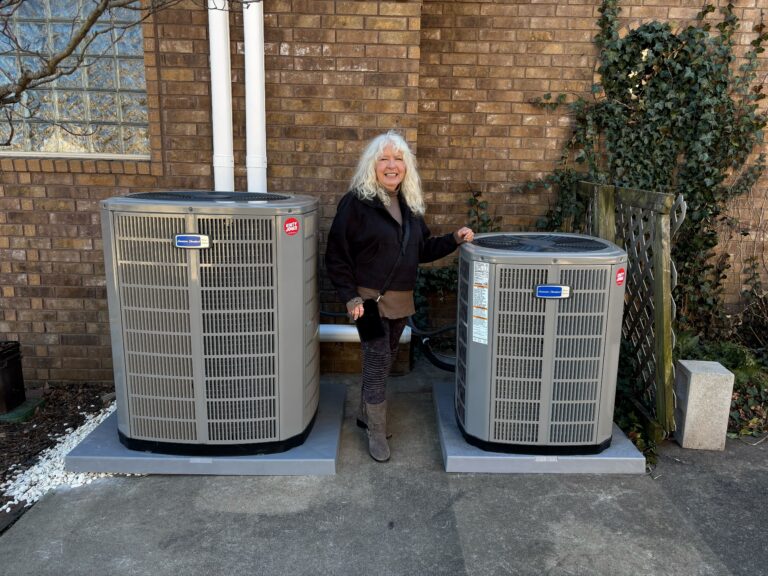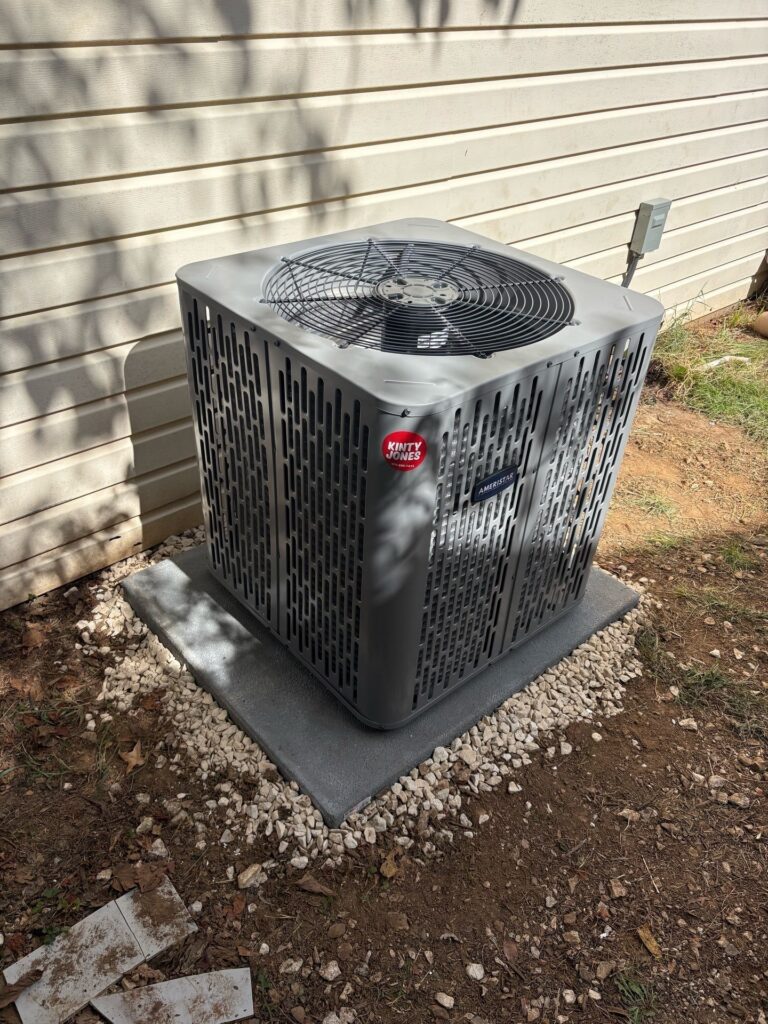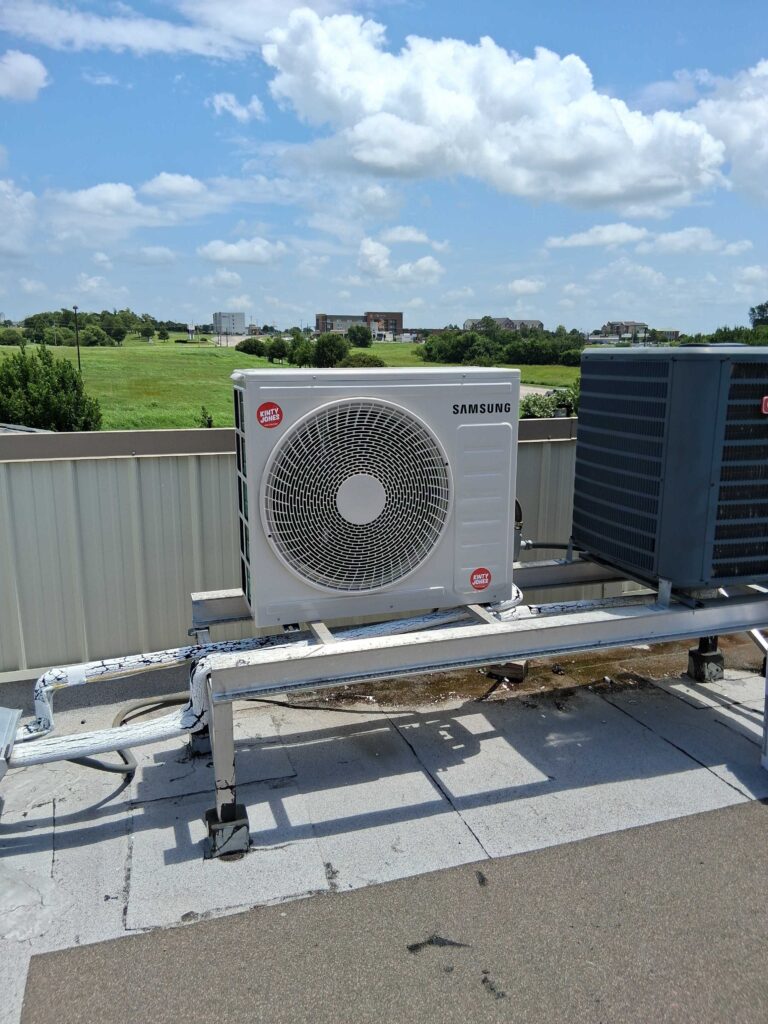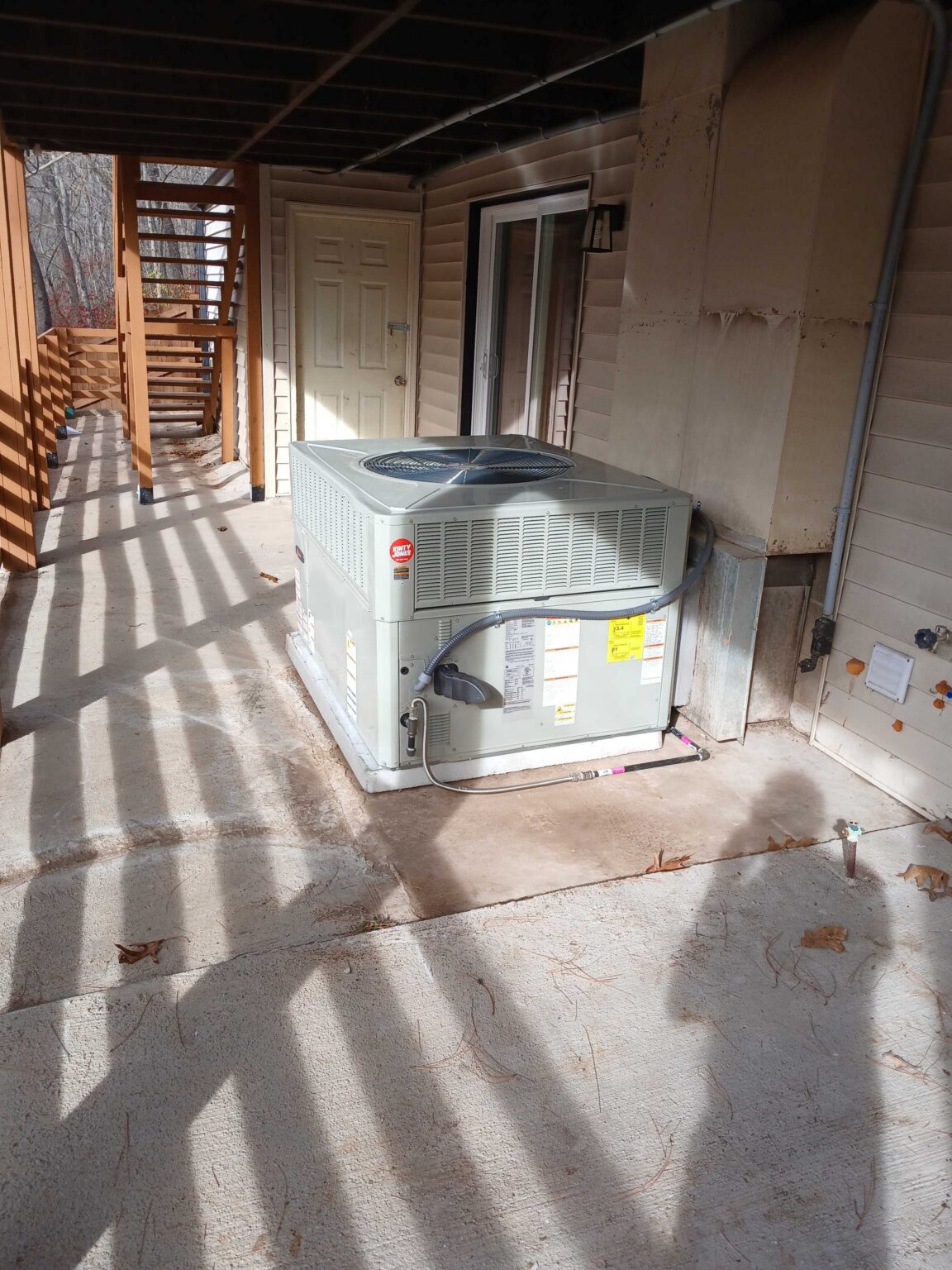
Reliable residential cooling repair keeps your home comfortable when temperatures climb in Rogers. Knowing how to spot early signs of trouble and what professional repair looks like helps you protect your AC system and avoid unexpected breakdowns.
When your air conditioner stops working properly during hot weather, it can make your home uncomfortable fast. Residential cooling repair involves fixing problems with your home’s AC system so it can cool your space effectively again. Understanding what causes these issues and how professionals fix them helps you make better decisions when your system needs attention.
Most cooling problems show clear warning signs before your system stops working completely. Your AC might run but fail to lower the temperature, or it could make strange noises that weren’t there before. Recognizing these signs early can prevent bigger problems and save you money on repairs.
Professional repair technicians follow specific steps to diagnose and fix cooling issues in your home. They check everything from refrigerant levels to electrical connections to find the root cause of poor performance. Knowing what happens during a service visit helps you feel more prepared and confident about getting your system back to normal.
In this article, here’s what you’ll find:
- Recognizing when your AC struggles to cool
- Top causes behind cooling inefficiencies
- Hidden factors worsening cooling performance
- Steps involved in restoring home comfort
- What to expect during a service visit
Keep reading to discover how timely cooling repair can restore comfort to your home, extend the life of your AC system, and lower your energy costs.
Recognizing when your AC struggles to cool
Your air conditioner should maintain steady temperatures throughout your home, but several warning signs indicate when your system can’t keep up with demand. Temperature inconsistencies, weak airflow, and continuous operation without results all point to cooling problems that need attention.
Why indoor temperatures don’t match thermostat settings
When you set your thermostat to 72 degrees but your home stays at 78 or higher, your air conditioner has a cooling problem. This temperature gap means your system can’t remove enough heat from your indoor air.
Check your thermostat first to make sure it works correctly and sits away from heat sources like lamps or direct sunlight. These heat sources can give false readings that make your AC work harder than needed.
A temperature difference of more than 2-3 degrees between your thermostat setting and actual room temperature signals a real problem. Your AC should reach the set temperature within a reasonable time frame, usually 15-30 minutes for minor adjustments.
Dirty air filters are often the culprit behind this issue. When filters get clogged with dust and debris, they block airflow and prevent your system from cooling effectively. According to the U.S. Department of Energy, replacing a dirty, clogged filter with a clean one can lower your air conditioner’s energy consumption by 5 to 15 percent. Replace or clean your filters every 1-3 months to maintain proper function.
How weak airflow leads to uneven room comfort
Weak airflow from your vents creates hot and cold spots throughout your home. You might notice some rooms feel comfortable while others stay warm and stuffy.
Place your hand near supply vents to test airflow strength. The air should feel strong and steady, not weak or barely noticeable. Weak airflow means your system struggles to distribute cooled air properly.
Common causes of weak airflow include:
- Clogged air filters blocking air movement
- Dirty evaporator coils reducing system efficiency
- Blocked or closed vents in specific rooms
- Ductwork leaks letting cooled air escape
- Failing blower fan motors
Rooms farthest from your AC unit often show the first signs of uneven cooling. This happens because weak airflow can’t push cooled air through your entire duct system effectively. Professional hvac ventilation services can help restore balanced airflow throughout your home.
When constant operation still fails to cool the house
Your AC should cycle on and off throughout the day as it maintains your desired temperature. When it runs continuously without reaching the set temperature, you have a serious cooling problem.
Extended cooling cycles waste energy and indicate your system can’t handle your home’s cooling load. Normal cooling cycles last 15-20 minutes, with the system shutting off once the target temperature is reached.
Refrigerant leaks are a major cause of constant operation without cooling. Your system needs the right amount of refrigerant to absorb heat from indoor air. Low refrigerant levels mean less cooling power, forcing your AC to run nonstop.
An undersized AC unit for your home’s square footage will also run constantly during hot weather. The system simply lacks the capacity to cool your space effectively. A blocked condenser unit outside can prevent heat release, causing similar problems that keep your system running without cooling results, often requiring ac system repair services to resolve.
Top causes behind cooling inefficiencies
When your air conditioner runs but fails to cool your home properly, several mechanical and maintenance issues are usually to blame. Refrigerant problems, blocked airflow from dirty components, and outdoor unit malfunctions account for most cooling performance failures.
Low refrigerant levels reducing cooling performance
Refrigerant is the chemical that absorbs heat from inside your home and releases it outside. When refrigerant levels drop, your AC system cannot transfer heat effectively, leaving you with warm air blowing through your vents.
Low refrigerant almost always indicates a leak in your system. Air conditioners are sealed systems that don’t consume refrigerant during normal operation. If levels are low, refrigerant has escaped through a crack or damaged connection somewhere in the lines. A condenser coil leak repair can address leaks traced to the outdoor coil.
You might notice ice forming on the refrigerant lines or evaporator coil when levels drop too low. The system may run constantly without reaching your desired temperature. Your energy bills often increase because the unit works harder to achieve minimal cooling results.
Only licensed HVAC technicians should handle refrigerant issues. They can locate leaks, repair them, and recharge the system to manufacturer specifications. Adding refrigerant without fixing the leak wastes money and doesn’t solve the underlying problem.
Dirty coils and filters restricting heat exchange
Your air conditioner relies on clean components to move air efficiently through the system. Dirty air filters block airflow and force your system to work harder while cooling less effectively.
Clogged filters restrict the amount of air reaching the evaporator coil. This reduces your system’s ability to absorb heat from your home. You should replace standard filters every 1-3 months depending on usage and household conditions.
The evaporator coil inside your home and condenser coil outside both collect dirt over time. This layer of grime acts as insulation, preventing proper heat transfer. When coils can’t exchange heat efficiently, your entire system suffers from reduced cooling capacity. Regular air duct cleaning also helps prevent the buildup of debris that contributes to these problems.
Signs of restricted airflow include:
- Weak air coming from vents
- Some rooms staying warmer than others
- The system running longer cycles
- Higher utility bills
Professional coil cleaning removes built-up debris without damaging the delicate fins. A preventive ac system tune up prevents this buildup from affecting your comfort and system efficiency.
Outdoor condenser issues limiting system efficiency
Your outdoor condenser unit releases the heat removed from your home. When this component faces problems, the entire cooling process breaks down.
Debris like leaves, grass clippings, and dirt can block the condenser coils and reduce airflow around the unit. The condenser needs at least two feet of clear space on all sides to function properly. Plants, fences, or stored items placed too close restrict necessary airflow.
The condenser fan pulls air through the coils to release heat. A failing fan motor or damaged fan blade prevents proper heat dissipation. You may hear unusual noises or notice the fan running slowly or not at all.
Electrical issues can also prevent the condenser from running. A faulty capacitor, which helps start the compressor and fan motor, is a common culprit. Your condenser may struggle to start or shut off unexpectedly when the capacitor fails, sometimes requiring ac compressor repair service to restore proper operation.
Keep the area around your outdoor unit clean and trimmed. Hose down the exterior of the condenser coils gently from the inside out to remove surface debris. Leave electrical and mechanical repairs to qualified technicians who can safely diagnose and fix condenser problems.
Hidden factors worsening cooling performance
Some cooling problems stem from issues you can’t see during a basic inspection. Air loss through damaged ducts, electrical faults that cause sporadic shutdowns, and thermostat malfunctions can all reduce your system’s ability to cool your home effectively.
Duct leaks allowing cooled air to escape
Your ductwork carries cooled air from your AC unit to every room in your home. When ducts develop cracks, holes, or loose connections, conditioned air escapes into unconditioned spaces like attics, crawlspaces, or wall cavities before reaching your living areas.
According to the U.S. Department of Energy, about 20 to 30 percent of the air that moves through a typical duct system is lost through leaks, holes, and poorly connected ducts. This means your system works harder while delivering less cooling to your rooms. You might notice some rooms stay warmer than others or your energy bills increase without explanation.
Leaks often occur at joints where duct sections connect or where ducts meet vents. Temperature changes cause metal ducts to expand and contract, which loosens connections over time. Flexible ducts can develop tears from age or contact with sharp objects in attics or crawlspaces.
You can sometimes spot duct leaks by checking visible ductwork for gaps or feeling for air escaping at connections. However, most residential ductwork hides behind walls or above ceilings, making professional inspection necessary to find all problem areas.
Electrical problems causing intermittent system failures
Electrical issues create unpredictable cooling performance that’s hard to diagnose. Your AC might run normally for hours, then suddenly shut off without warning. These problems range from loose wire connections to failing capacitors or contactors.
Capacitors store electrical energy to start your compressor and fan motors. When they weaken, your system struggles to start or stops running mid-cycle. Contactors act as electrical switches that control power flow to major components. Worn contacts can cause intermittent failures that seem random.
Loose electrical connections create resistance that generates heat and reduces power delivery. Vibration from normal AC operation gradually loosens terminal screws and wire connections. Low voltage reaching your unit prevents proper operation even when the system appears to run.
These electrical faults rarely show obvious signs until they cause complete failure. Your system might short-cycle, fail to start on some cooling calls, or trip circuit breakers occasionally before the problem becomes constant.
Thermostat errors leading to incorrect cycling
Your thermostat controls when your AC turns on and off based on temperature readings. When it malfunctions or reads temperatures incorrectly, your system won’t cool your home properly even if the AC unit works perfectly.
Thermostats placed in poor locations give false temperature readings. A thermostat near a window, door, lamp, or supply vent reads temperatures that don’t match the rest of your home. Direct sunlight makes the thermostat think your house is warmer than it actually is, causing excessive cooling in other rooms.
Dead batteries in battery-powered thermostats cause erratic behavior. The display might work while the temperature sensor or relay functions fail. Dust buildup inside the thermostat interferes with sensor accuracy and mechanical switching components.
Incorrect thermostat settings also create cooling problems. The system mode might be set to “on” instead of “auto,” running the fan constantly without cooling. The temperature differential setting might be too wide, allowing temperature swings that feel uncomfortable.
Steps involved in restoring home comfort
Professional technicians follow a structured approach to diagnose problems, make repair decisions, and verify that your cooling system works properly. Each step ensures your home returns to a comfortable temperature efficiently.
Full system diagnostics to identify root cooling problems
A thorough diagnostic check examines all components of your central cooling system to find the exact cause of performance issues. Technicians start by testing the thermostat settings and electrical connections to rule out simple problems. They measure refrigerant levels, inspect the condenser and evaporator coils, and check the compressor operation. This is similar to what happens during an ac system inspection service.
The blower motor and fan get tested for proper speed and function. Air filters receive inspection for clogs that restrict airflow. Ductwork is examined for leaks that waste cooled air before it reaches your rooms.
Technicians use specialized tools to measure temperature differences across the system and check electrical voltages. They look at drain lines to ensure condensation flows away correctly. This complete assessment identifies whether you have a single failing part or multiple issues affecting performance.
Many repair services document their findings with photos or detailed reports. This helps you understand what needs fixing and why your system stopped working properly.
Component repair versus system replacement decisions
Age plays a major role in determining whether to repair or replace your cooling system. Systems older than 10 to 15 years often cost more to maintain than newer models, even when repairs seem minor. According to the U.S. Environmental Protection Agency, the typical lifespan of central air conditioners is approximately 15 to 20 years, after which efficiency drops significantly and replacement often becomes the smarter financial choice.
The repair cost compared to replacement cost guides this decision. A common rule suggests replacement when repair costs exceed 50% of a new system’s price. For example, if your system needs a $2,000 compressor replacement but a new unit costs $4,500, a cooling system installation often makes more sense.
Key factors that favor replacement:
- Multiple component failures within a short timeframe
- Refrigerant type is outdated (like R-22)
- Energy bills have increased significantly
- System requires frequent repairs
New systems offer better energy efficiency that lowers monthly utility costs. They also include warranties that protect you from unexpected repair expenses. A professional ac unit installation helps homeowners weigh these factors based on local climate demands and usage patterns.
Final testing to ensure balanced airflow and temperature
After repairs or installation, technicians run comprehensive tests to confirm your system operates correctly. They measure airflow at each vent to ensure balanced distribution throughout your home. Temperature readings verify that cooled air reaches your thermostat’s set point.
The system runs through multiple cooling cycles while technicians monitor performance. They check that the compressor engages properly and the fan runs at correct speeds. Refrigerant pressures get measured to confirm proper charge levels.
Technicians adjust dampers if certain rooms receive too much or too little airflow. They verify that the condensate drain works and no water backs up. The thermostat gets tested to ensure it accurately controls system operation.
You receive guidance on filter replacement schedules and basic maintenance tasks. This final verification protects your investment and ensures reliable comfort for the months ahead.
What to expect during a service visit
When you schedule a home ac cooling repair service, the technician will conduct a thorough inspection of your system, test its performance, and provide expert advice based on their findings. These steps help identify problems and determine the best solution for your cooling system.
Inspection of indoor and outdoor HVAC components
The technician starts by examining both parts of your air conditioning system. Inside your home, they check the air handler, evaporator coils, air filters, and condensate drain lines. They look for dirt buildup, clogs, or signs of wear that could reduce efficiency.
Outside, they inspect the condenser unit and compressor. The technician checks electrical connections to make sure they’re tight and safe. They also look at the fan motor and blades for damage.
During this inspection, the technician searches for refrigerant leaks around connection points and coils. They examine the thermostat to verify it communicates properly with your system. This complete review helps them spot issues before they become major repairs.
Performance testing for airflow and refrigerant levels
After the inspection, the technician measures how well your system works. They test airflow at various vents throughout your home to identify blockages or duct problems. Weak airflow often points to dirty filters, blocked ducts, or failing fan motors.
The technician uses special gauges to check refrigerant pressure. Low refrigerant levels mean your system has a leak that needs repair. High pressure can indicate blockages or an overcharged system.
They measure the temperature difference between air going into your system and air coming out. This tells them if your AC removes heat properly. The technician also tests the compressor and fan motors to confirm they run at the correct speed and draw proper electrical current. This kind of detailed evaluation supports overall residential cooling performance throughout the home.
Recommendations based on efficiency and system age
Based on the inspection and testing results, the technician explains what your system needs. For minor issues, they might recommend simple repairs or part replacements. They’ll tell you which problems need immediate attention and which ones you can address later.
If your system is over 10-15 years old and needs major repairs, they may discuss replacement options. Older units often cost more to fix and run less efficiently than newer models. The technician provides repair cost estimates so you can make an informed choice. In some cases, a ductless cooling system installation offers an effective alternative for homes with limited ductwork or persistent comfort issues.
For emergency situations during hot weather, emergency AC service in Bentonville and surrounding areas prioritizes getting your system running quickly. Technicians explain temporary fixes versus permanent solutions and help you understand the timeframe for different repair options.
Conclusion
Your residential cooling system works hard to keep your home comfortable during hot weather. When problems occur, quick action helps prevent small issues from becoming expensive repairs.
Regular maintenance extends your AC’s lifespan and keeps it running efficiently. You can handle simple tasks like changing filters, but professional technicians should address complex repairs.
You need to decide between repair and replacement based on your system’s age and condition. Systems older than 10-15 years often cost more to repair than replace. Calculate whether frequent repairs make financial sense compared to a new unit.
Professional residential AC repair services can diagnose most problems quickly. Many issues get fixed in a single visit when you work with experienced technicians.
Your comfort depends on a properly functioning cooling system. Take care of maintenance needs throughout the year. Address repairs promptly when they arise. These steps help you avoid uncomfortable breakdowns during the hottest days.
Working with qualified professionals ensures your system gets the care it needs. You protect your investment and maintain a comfortable home environment for years to come. To schedule reliable cooling repair for your Rogers home, contact Kinty Jones today.