A fall furnace tune-up checklist helps Centerton and Lowell homeowners get ahead of cold-weather problems while there is still time to fix them. Centerton is full of newer construction west of Bentonville, and Lowell sits right between Rogers and Springdale, but both share the same Ozarks fall: mild afternoons that can turn into a hard freeze with little warning. The first chilly night is much less charming when it comes with strange furnace noises, weak airflow, or a thermostat that seems to be negotiating instead of heating.
Fall maintenance is part reliability and part safety. A proper visit checks the furnace as a complete system, including ignition, combustion, airflow, electrical controls, venting, and the thermostat. Swapping the filter is useful, but it is not the whole tune-up.
Why fall is the sweet spot for furnace maintenance
Your furnace may have sat mostly idle for months, but that does not mean every part is ready for a full heating season. Dust settles, electrical connections age, filters load up, and ignition problems wait quietly for the first long call for heat.
According to the National Weather Service’s Bentonville freeze data, the median first 32°F reading arrives October 19, with a 9-in-10 chance by November 7. Bentonville is the closest long-term station to Centerton and Lowell, so those dates make a fair planning window, not a promise for any given year. If your tune-up has not happened yet this season, now is the time.
New homes need maintenance too
Plenty of Centerton furnaces are only a few years old, and it is easy to assume a newer system can skip a year. But construction dust often loads filters and blower wheels in the first seasons after a build, and manufacturer warranties commonly expect regular maintenance. A newer system that is well cared for tends to stay that way.
What to check before the technician arrives
Your prep should make the visit smoother, not move technical work onto your shoulders. You do not need to open a burner assembly, adjust the gas valve, or test live electrical parts.
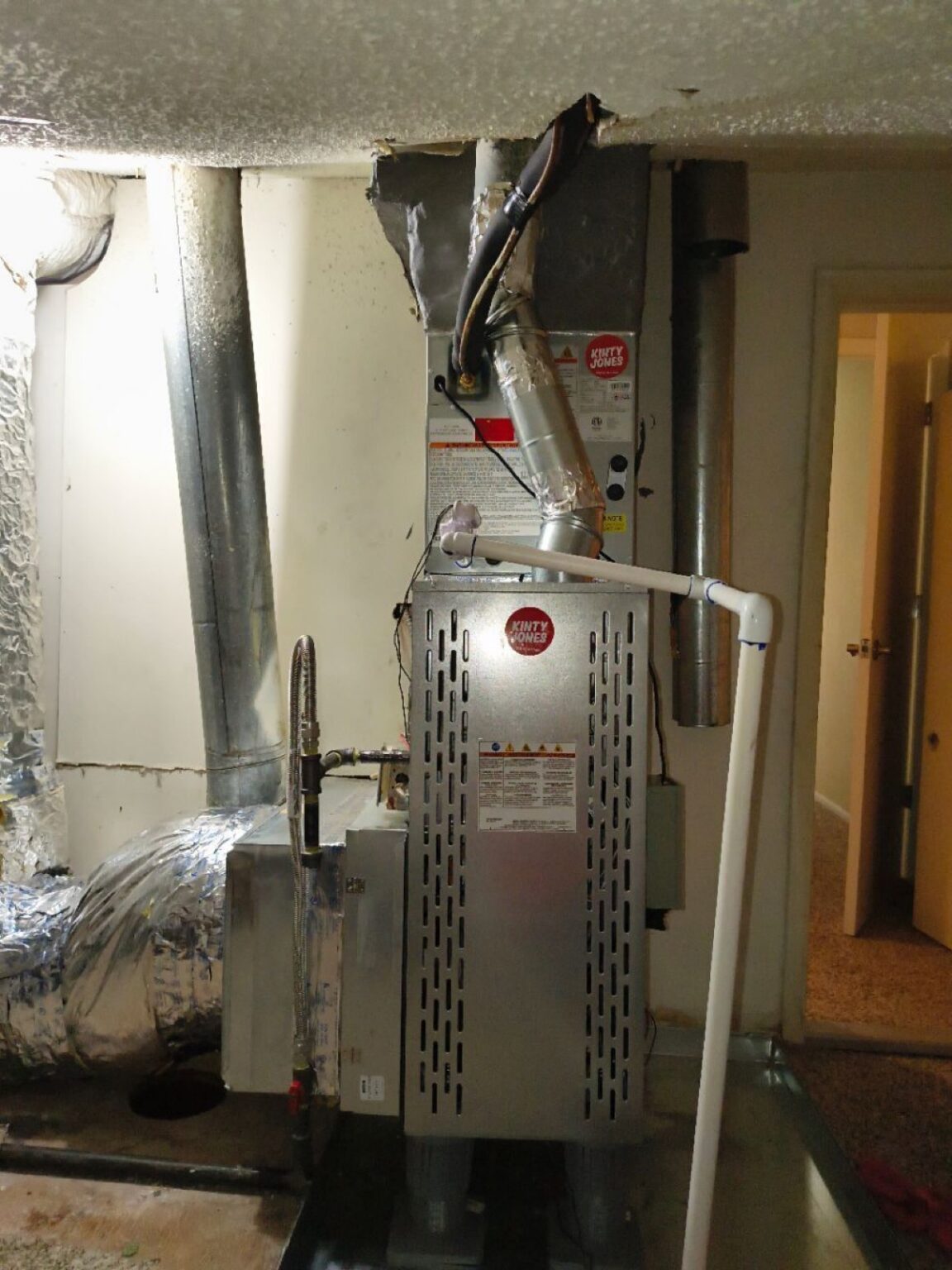
- Clear the area. Move boxes, laundry, paint, and cleaning products away from the furnace so the technician can reach panels, the shutoff, the vent connection, and the filter.
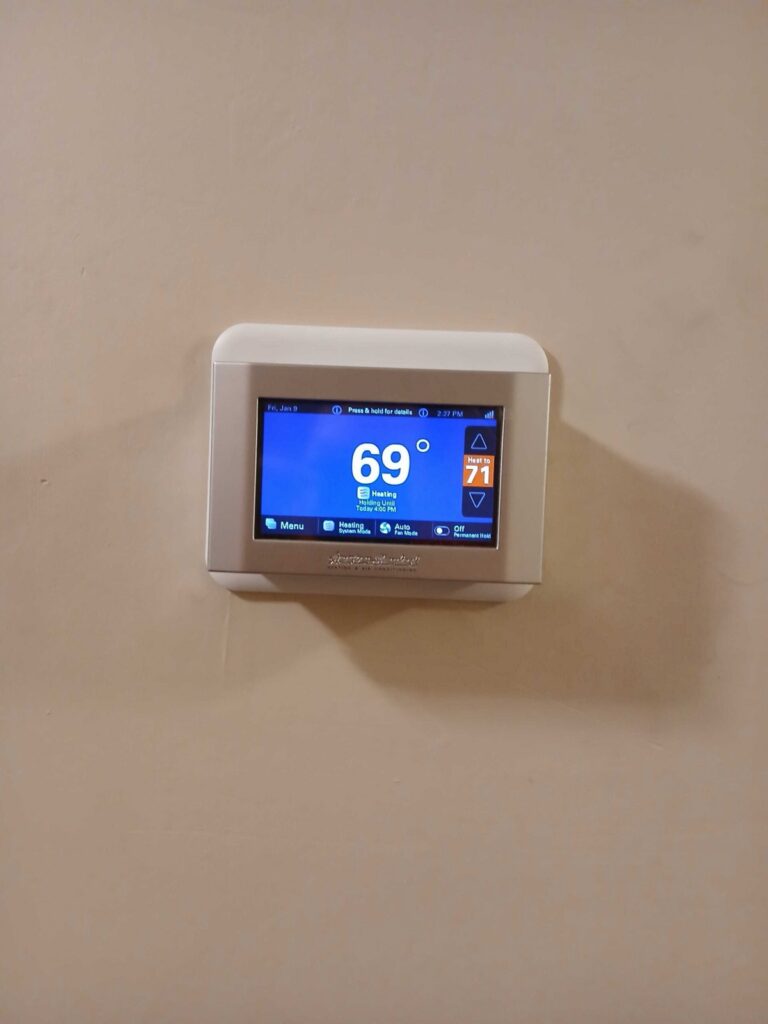
- Test the thermostat. Set it to heat, raise it a few degrees, and note how long warm air takes to reach the vents and whether the furnace finishes a normal cycle.
- Check the filter. Note its size, install date, and condition. A clogged filter can cause overheating and short cycling in heating season.
- Write down the weird stuff. Rattling, booming, clicking, burning or musty odors, cold rooms, and delayed ignition. A short phone video helps if a problem comes and goes.
Do not keep a system running to document an unsafe symptom. If you smell gas, hear a carbon monoxide alarm, or see soot or scorching, leave the area and call the appropriate emergency or utility service from a safe place.
What a professional fall tune-up should cover
A tune-up should produce more than a sticker and a quick glance. The technician should run the furnace through a complete cycle, take measurements, and explain anything that affects safety, reliability, comfort, or efficiency. A solid checklist includes:
- Starting and observing a full heating cycle from thermostat call to shutdown
- Checking ignition, burners, flame sensing, venting, and safety switches
- Carbon monoxide and combustion checks on gas furnaces
- Inspecting electrical connections, motors, and blower operation
- Measuring temperature rise and evaluating airflow
- Confirming thermostat response and documenting recommended repairs
Airflow deserves real attention. A Department of Energy duct-system guide reports that typical ducts can lose 25% to 40% of the heating or cooling energy produced by central equipment. A tune-up cannot rebuild a duct system, but it can reveal when ductwork service deserves a separate look.
Our heating tune-ups follow this kind of full-system approach. If the furnace fails a safety or performance check, heating repair should fix the cause rather than resetting the equipment and hoping it behaves through winter.
Reading the results: green, yellow, or red
Green light: ready for cold weather
If the furnace starts reliably, passes safety checks, moves air properly, and hits the right temperature range, you have a useful baseline. Keep up with filter checks and set a sensible thermostat schedule. The Department of Energy says households can save as much as 10% a year on heating and cooling by setting the thermostat back 7°F to 10°F for 8 hours a day.
Yellow light: a small repair now
A worn igniter, weak capacitor, loose connection, or dirty flame sensor may not have caused a shutdown yet. Fall is the better moment to fix a developing problem on your schedule instead of the furnace’s.
Red light: time for a repair-or-replace talk
Replacement is not automatic because a furnace is older, and repair is not automatically wise because it is possible. Weigh safety, repair history, comfort, and parts availability. Our guide to furnace replacement cost in Northwest Arkansas explains what shapes the price, and our Lowell HVAC team can walk you through the options.
If you would rather not rebuild this schedule every year, a Kinty Club membership includes two inspections a year and no diagnostic fee.
Frequently asked questions
When should I schedule a furnace tune-up in Centerton or Lowell?
Ideally in early fall, before regular freezing weather. If that window has passed, schedule as soon as you can so any repairs happen before the coldest stretch of winter.
Does a newer furnace really need a yearly tune-up?
Yes. Newer systems still collect dust, especially after construction, and many manufacturer warranties expect regular maintenance. A tune-up also gives you a performance baseline for future visits.
What can I do myself before the appointment?
Clear the area around the furnace, check or replace the filter, test the thermostat, and note any odd sounds or smells. Leave gas, combustion, and electrical checks to the technician.
How long does a furnace tune-up take?
It depends on the system and what the technician finds. A visit that includes a full heating cycle and measurements takes longer than a quick look, and that extra time is where problems get caught.
Dealing with furnace trouble in Centerton or Lowell? Call Kinty Jones Heating and Cooling at (479) 899-7415.